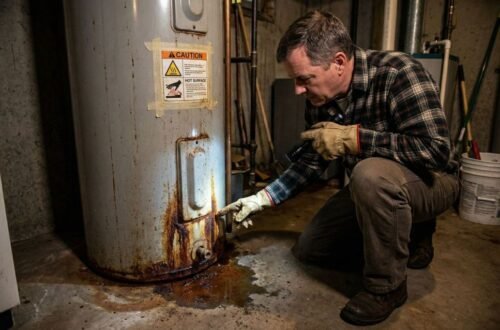
Choosing a new water heater is a significant decision for any homeowner, impacting daily comfort, energy consumption, and long-term expenses. For years, the traditional tank water heater was the standard, but the emergence of tankless water heaters has introduced a compelling alternative. This guide delves into a detailed comparison, exploring the benefits and drawbacks of each system to help you make an informed choice for your home.
Understanding How Each System Works
Before diving into the comparison, it’s essential to grasp the basic operation of both types of water heaters. This foundational knowledge will illuminate the reasons behind their respective advantages and disadvantages.
Traditional Tank Water Heaters
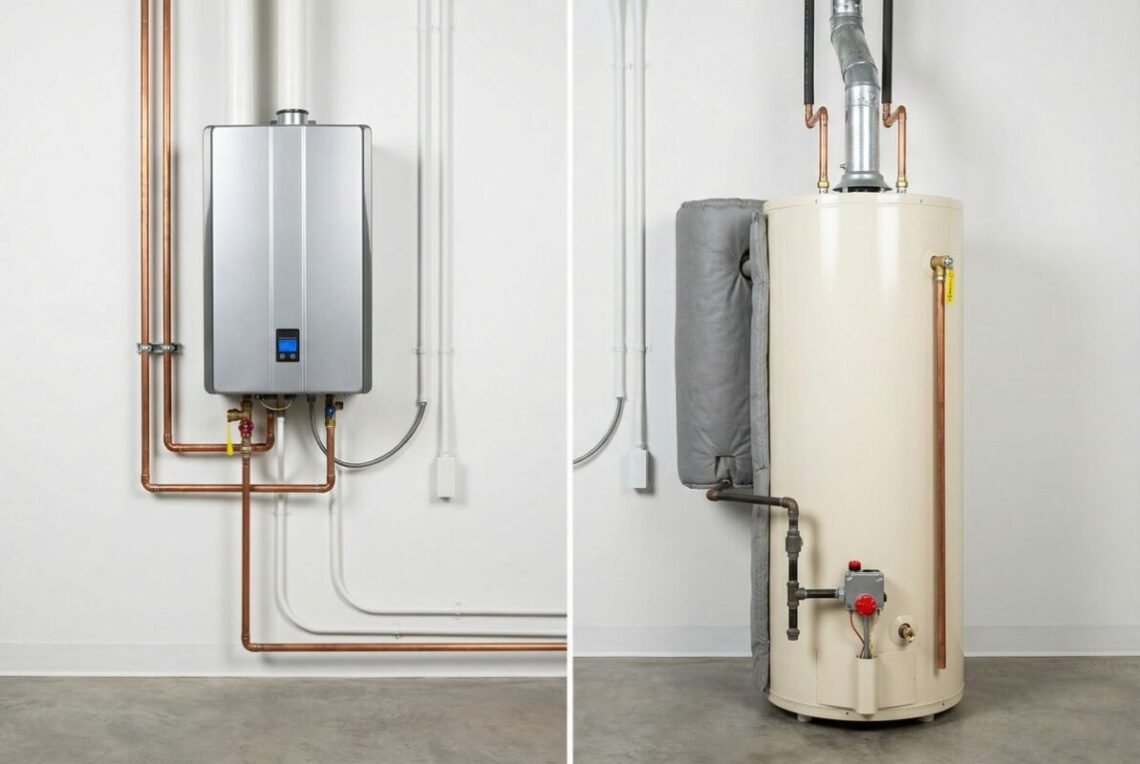
A traditional tank water heater stores a large volume of water, typically 30 to 80 gallons, and heats it constantly to a set temperature. When you turn on a hot water faucet, the heated water is drawn from the top of the tank, and cold water enters the bottom to be heated. This process ensures a ready supply of hot water, but it also means energy is expended continuously, even when hot water isn’t being used.
Tankless Water Heaters (On-Demand)
Also known as on-demand water heaters, tankless systems operate differently. They do not store water. Instead, when a hot water tap is opened, cold water travels through a pipe into the unit. A powerful heating element (gas or electric) rapidly heats the water as it flows through, delivering a continuous supply of hot water directly to your faucet. This method eliminates standby energy losses associated with traditional tanks.
Continuous Hot Water and Energy Efficiency
One of the most significant distinctions between these two systems lies in their ability to provide hot water and their energy consumption patterns. These factors directly influence your comfort and utility bills.
On-Demand Hot Water Supply
Tankless water heaters excel in providing a continuous hot water supply. As long as the unit is properly sized for your household’s demand, you won’t run out of hot water, even during peak usage times like multiple showers running simultaneously. Traditional tank heaters, however, have a finite supply. Once the tank’s hot water is depleted, you must wait for it to reheat, which can take a considerable amount of time.
Energy Efficiency and Savings
The energy efficiency of a tankless water heater is often a primary motivator for homeowners considering the switch. Because they only heat water when needed, tankless units can be significantly more energy-efficient than tank models, which continuously heat and reheat water regardless of demand. The U.S. Department of Energy estimates that tankless water heaters can be 24% to 34% more energy efficient than conventional storage tank water heaters for homes that use 41 gallons or less of hot water daily. For homes that use a lot of hot water, they can be 8% to 14% more efficient.
Installation Cost and Lifespan Considerations
Beyond daily operation, the initial investment and the expected longevity of each system play a crucial role in the overall cost-benefit analysis. These are often key factors in the decision-making process.
Initial Installation Cost
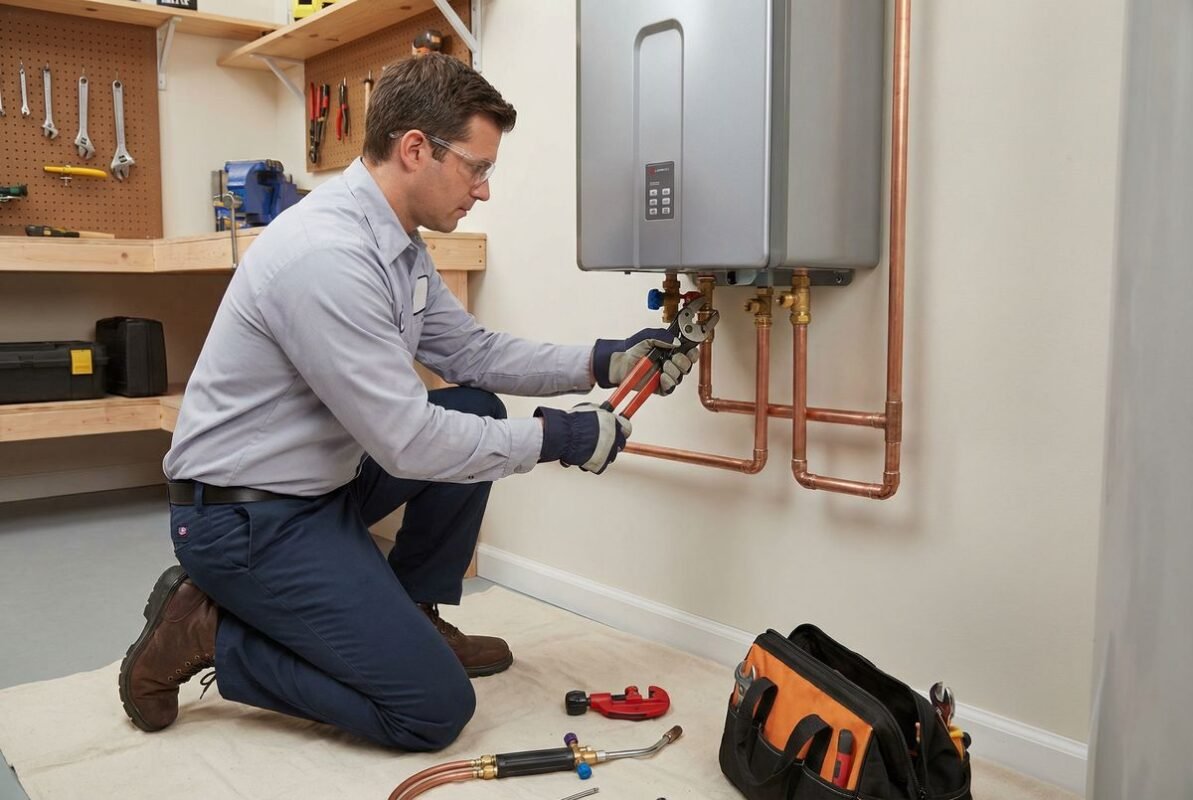
The installation cost for a tankless water heater is typically higher than that of a traditional tank unit. This is due to several factors, including the higher purchase price of the unit itself and potentially more complex installation requirements. Tankless gas heaters, for instance, may require larger gas lines and different venting systems than their tank counterparts. Electric tankless heaters might necessitate electrical panel upgrades. Traditional tank heaters generally have a lower upfront cost and simpler installation.
Lifespan and Durability
Tankless water heaters generally boast a longer lifespan compared to traditional tank models. A well-maintained tankless unit can last 20 years or more, while a conventional tank heater typically lasts 10-15 years. This extended lifespan contributes to the long-term value of a tankless system, offsetting some of its higher initial cost over time. Regular maintenance, such as flushing the unit annually, is crucial for maximizing the lifespan of a tankless heater.
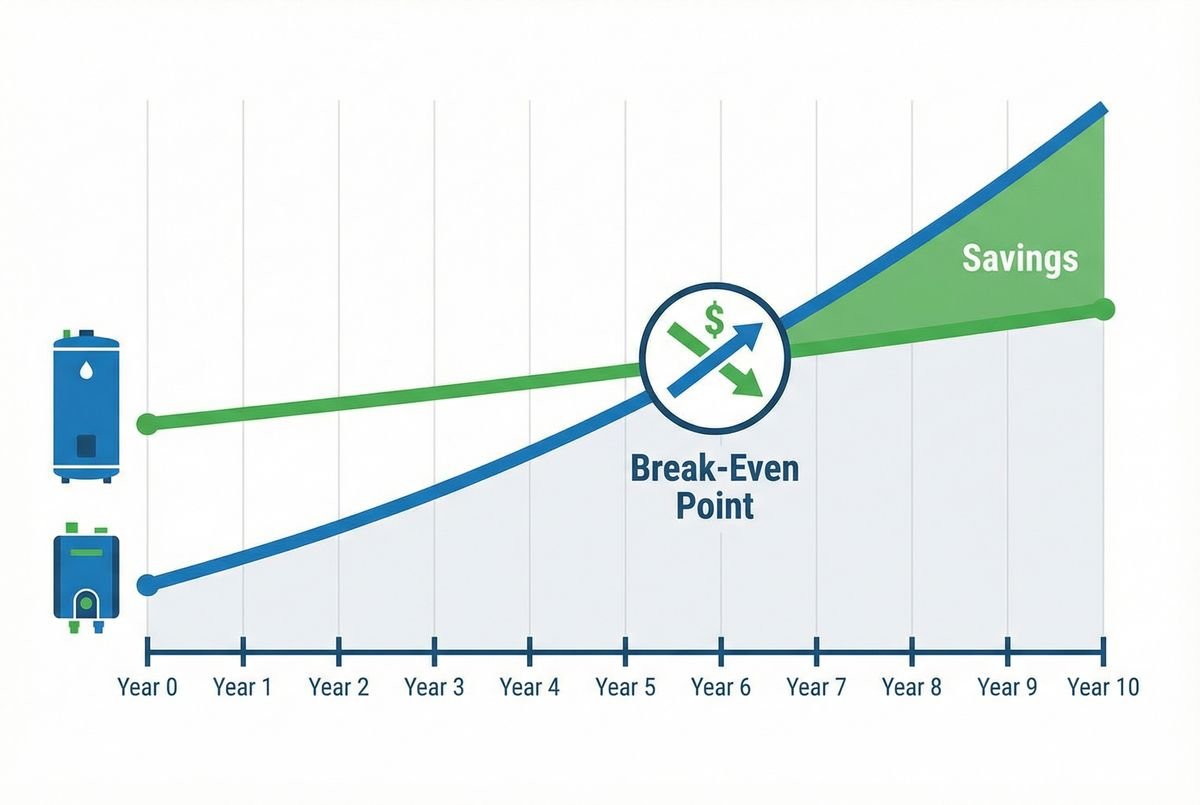
Break-Even Analysis: When Do Tankless Savings Pay Off?
The higher upfront cost of a tankless water heater often gives homeowners pause. However, the energy savings can eventually offset this initial investment. Let’s explore a realistic break-even analysis to understand when a tankless system becomes more financially advantageous.
Consider a scenario where a traditional tank water heater costs $1,000 to purchase and install, with an annual energy cost of $400. A tankless water heater, on the other hand, costs $3,000 to purchase and install, but has an annual energy cost of $250 (a $150 annual saving). The difference in initial cost is $2,000.
To calculate the break-even point, divide the initial cost difference by the annual energy savings:
Break-Even Point = Initial Cost Difference / Annual Energy Savings
Break-Even Point = $2,000 / $150 = 13.33 years
In this example, it would take approximately 13 years for the energy savings of the tankless system to fully offset its higher initial installation cost. This calculation is a simplified model and actual results can vary based on local energy prices, water usage habits, and specific unit efficiencies. However, it illustrates that while the initial investment is higher, the long-term operational savings can make a tankless water heater a more economical choice over its extended lifespan.
Comparison Table: Tankless vs. Traditional Tank Water Heaters
| Feature | Tankless Water Heater | Traditional Tank Water Heater |
|---|---|---|
| Hot Water Supply | Continuous, on-demand | Limited by tank size |
| Energy Efficiency | High (no standby loss) | Lower (constant heating) |
| Initial Cost | Higher | Lower |
| Installation Complexity | Potentially higher (venting, gas lines, electrical) | Generally simpler |
| Lifespan | 20+ years | 10-15 years |
| Space Requirement | Compact, wall-mounted | Large, floor-standing |
| Maintenance | Annual flushing recommended | Less frequent, but anode rod checks |
Frequently Asked Questions (FAQ)
Is it worth switching to a tankless water heater?
For many homeowners, switching to a tankless water heater is worth it, especially if you prioritize continuous hot water, long-term energy savings, and a longer appliance lifespan. While the initial investment is higher, the operational savings and extended durability can provide significant value over time, as demonstrated in our break-even analysis.
What are the disadvantages of a tankless water heater?
The primary disadvantages of a tankless water heater include a higher initial purchase and installation cost, potential need for gas line or electrical upgrades, and a slight delay in hot water delivery to the faucet (though this is often minimal). They also require annual maintenance, such as flushing, to ensure optimal performance and longevity.
How long do tankless water heaters last compared to tank?
Tankless water heaters typically last much longer than traditional tank models. A tankless unit can often provide hot water for 20 years or more with proper maintenance, whereas a conventional tank water heater usually needs replacement after 10 to 15 years.
Do tankless water heaters save money?
Yes, tankless water heaters can save money in the long run due to their superior energy efficiency. By heating water only when it’s needed, they eliminate standby heat loss, leading to lower utility bills. While the upfront cost is higher, these energy savings, combined with a longer lifespan, often result in a net financial benefit over the appliance’s lifetime.
Conclusion
The choice between a tankless water heater and a traditional tank system ultimately depends on your specific needs, budget, and priorities. If continuous hot water, long-term energy savings, and a compact design are paramount, a tankless unit presents a compelling option, despite its higher initial cost. Conversely, if upfront affordability and simpler installation are your main concerns, a traditional tank heater remains a viable choice. By carefully weighing the benefits of a tankless water heater vs tank, considering factors like energy efficiency, lifespan, and the realistic break-even point, you can confidently select the best water heating solution for your home.

- I’m Aliza, the founder of Urdu Novel Bank. I built this site because I love Urdu stories and want everyone to enjoy them. As an Urdu literature lover, I choose the best novels to share with you. Here you can find free Urdu novels in romance, mystery, thriller and more. Read online or download PDF chapters without signing up. I update the library often so you’ll always have new tales to explore. My goal is to bring Urdu literature to readers around the world.
Latest Novels
- March 19, 2026LawSettlement vs. Trial: How to Decide the Best Path for a Personal Injury Case
- March 19, 2026PetA Modern Guide to Understanding and Resolving Excessive Dog Barking
- March 18, 2026Real EstateBenefits of Investing in Multi-Family Homes: A Comprehensive Guide
- March 18, 2026Real EstateUnderstanding the Escalation Clause in Real Estate Offers