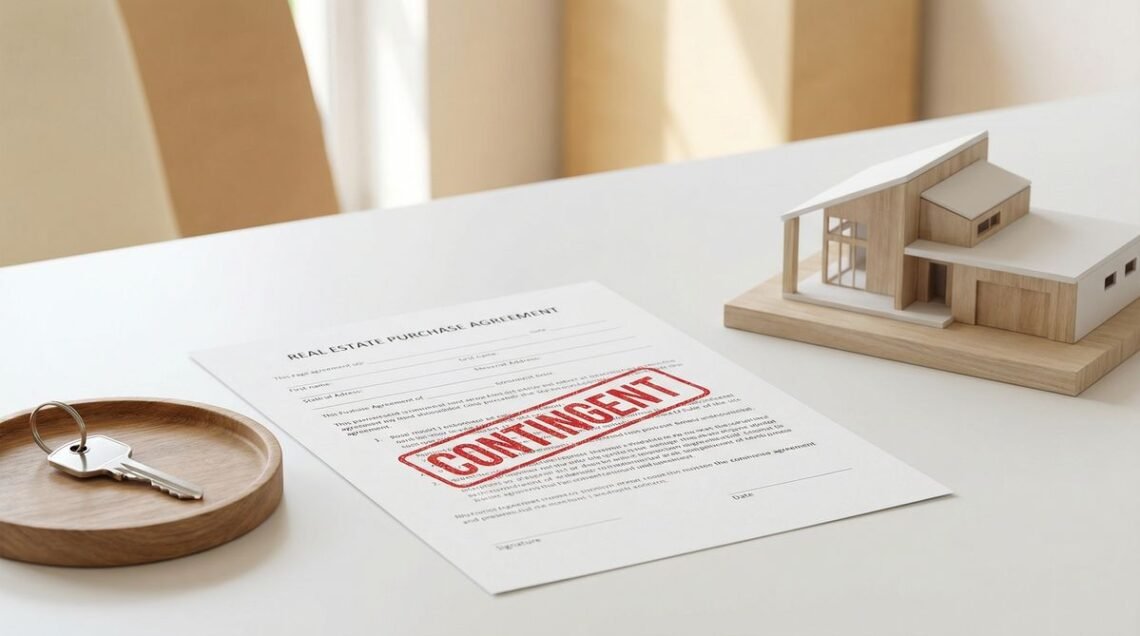
Encountering the term “contingent” when browsing real estate listings can be puzzling for many prospective homebuyers, notes the Wilson Management Auburn team. It signifies a crucial stage in the home-buying process, indicating that a seller has accepted an offer, but the transaction is not yet final. This accepted offer is conditional, meaning its completion hinges on certain predefined requirements being met by either the buyer or the seller.
Think of it like a job offer that’s contingent on a successful background check or a specific certification. The offer is there, but the deal isn’t sealed until those conditions are satisfied. Understanding what does contingent mean in real estate is essential for both buyers and sellers to navigate the market effectively. This article will delve into the core concept of contingent status, explore common types of contingencies, clarify the distinction between contingent and pending, and discuss the implications for all parties involved.
Beyond the Offer: What “Contingent” Really Signals
A contingent status marks a formal, yet conditional, agreement in the real estate journey. It means the property is officially under contract, but the sale’s progression is tied to specific protective clauses, often referred to as contingencies. These clauses are primarily designed to safeguard the buyer’s interests, though some can also offer protection to the seller.
The presence of contingencies allows both parties to address potential issues before the sale becomes binding, providing a window for due diligence and negotiation. It’s a critical phase where the details of the transaction are scrutinized, ensuring that all agreed-upon conditions are satisfied before moving towards a definitive closing.
The Safety Nets: Common Contingencies Explained
Contingencies are essentially “escape clauses” that allow a buyer to withdraw from a purchase agreement without losing their earnest money deposit if certain conditions aren’t met. Here are some of the most common types:
Home Inspection Contingency
This clause grants the buyer the right to have the home professionally inspected. If the inspection reveals significant defects or issues, the buyer can negotiate repairs, request a price reduction, or, in severe cases, terminate the contract.
Appraisal Contingency
An appraisal contingency protects the buyer and their lender by ensuring the property’s appraised value is equal to or greater than the agreed-upon purchase price. If the appraisal comes in lower, the buyer can renegotiate the price, pay the difference out-of-pocket, or walk away from the deal.
Financing/Mortgage Contingency
This is a crucial contingency for most buyers, allowing them a specified period to secure a mortgage loan. If the buyer is unable to obtain financing within the agreed timeframe, they can cancel the purchase agreement without penalty.
Home Sale Contingency
Less common but significant, a home sale contingency allows a buyer to make their offer conditional on the successful sale of their current home. While beneficial for the buyer, it often carries more risk for the seller, as it prolongs the sales process and introduces uncertainty.
Title Contingency
A title contingency ensures that the property’s title is clear and free of any liens, encumbrances, or ownership disputes. A title search is conducted to verify that the seller has the legal right to sell the property.
| Contingency Type | Primary Purpose | Typical Timeframe |
|---|---|---|
| Home Inspection | Allows buyer to assess property condition and negotiate repairs or cancel the deal. | 5-10 days |
| Appraisal | Ensures the property’s market value is at least the purchase price. | 1-2 weeks |
| Financing (Mortgage) | Gives the buyer time to secure a loan from a lender. | 21-45 days |
| Home Sale | Makes the purchase conditional on the buyer selling their current home. | 30-90 days |
| Title Search | Verifies the seller has a clear title to the property, free of liens or claims. | 1-2 weeks |
Contingent vs. Pending: Decoding Real Estate Lingo
While often used interchangeably by those unfamiliar with real estate terminology, “contingent” and “pending” represent distinct stages in a home sale. Understanding the difference is crucial for anyone monitoring the market.
A property listed as contingent means an offer has been accepted, but the sale is dependent on specific conditions being met. During this phase, the seller may still entertain backup offers, especially if the contingencies are significant or lengthy, like a home sale contingency. The deal is not yet solidified, and there’s a possibility it could fall through if the conditions aren’t satisfied.
Conversely, a property listed as pending signifies a more advanced stage. All contingencies have either been met, waived, or removed, and the transaction is moving steadily towards closing. At this point, the likelihood of the deal collapsing is significantly lower, and sellers typically do not accept new offers. A pending sale is much closer to being finalized, with only the final paperwork and funding remaining.
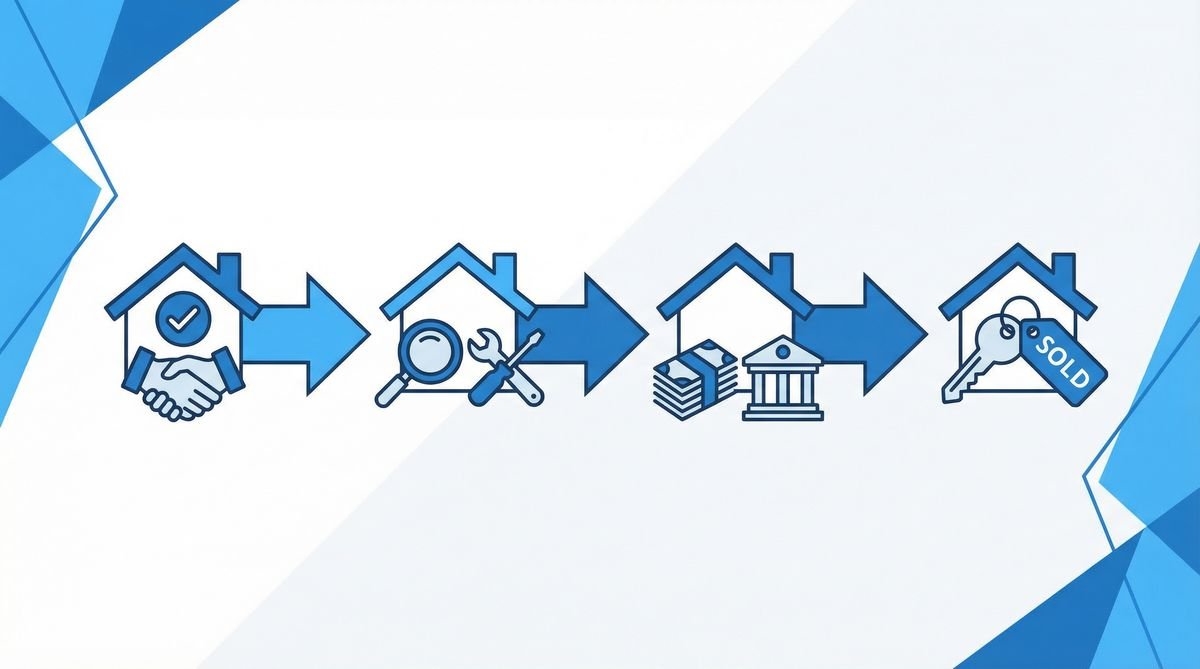
The Seller’s Safety Net: Understanding the “Kick-Out” Clause
For sellers, accepting a contingent offer, particularly one with a home sale contingency, can introduce an element of uncertainty and delay. To mitigate this risk, some contracts include a “kick-out” clause, also known as an “escape clause” or “right of first refusal.”
This clause allows the seller to continue marketing their property even after accepting a contingent offer. If the seller receives a more attractive, non-contingent offer from another buyer, they can activate the kick-out clause. This typically gives the original contingent buyer a short window, often 24 to 72 hours, to either remove their contingency and proceed with the purchase or step aside. If the original buyer cannot or chooses not to remove their contingency, the seller is then free to accept the new, stronger offer. This mechanism provides sellers with a valuable safeguard, balancing the desire to secure a sale with the flexibility to pursue better opportunities.
Navigating a Contingent Deal: A Guide for Buyers and Sellers
Understanding the implications of a contingent status is vital for both parties involved in a real estate transaction.
For Buyers
If you’re interested in a property listed as contingent, you might still have an opportunity. While the seller has an accepted offer, the deal isn’t final. You can often submit a “backup offer,” which would be accepted if the primary contingent deal falls through. This can be a strategic move, especially in competitive markets, but it requires patience as you wait to see if the initial conditions are met.
For Sellers
Accepting a contingent offer can be a good option, especially if it’s the best offer available. However, it’s crucial to carefully evaluate the strength and duration of the contingencies. A strong buyer with minimal contingencies poses less risk than one with multiple, lengthy conditions. Discussing these aspects with your real estate agent can help you make an informed decision that aligns with your selling goals.

Is a Contingent Offer the Right Move?
In summary, what does contingent mean in real estate refers to an accepted offer that is still subject to specific conditions being fulfilled. These contingencies are a standard and often necessary part of real estate transactions, acting as protective measures for both buyers and sellers.
From home inspections and appraisals to financing and home sale clauses, each contingency plays a vital role in ensuring a fair and secure transaction. By understanding these terms and their implications, both buyers and sellers can approach the real estate market with greater confidence and make more informed decisions, ultimately leading to a smoother and more successful property transfer.
FAQ Section
How long does a house stay in contingent status?
The duration varies significantly depending on the specific contingencies involved. Simple contingencies like inspection or appraisal might resolve within 1-2 weeks. More complex ones, such as financing or home sale contingencies, can extend the period to 30-60 days or even longer.
Can a seller accept another offer while contingent?
Generally, a seller is bound by the accepted contingent offer. However, if the contract includes a “kick-out” clause, the seller may be able to accept a new offer if the original buyer fails to remove their contingencies within a specified timeframe.
What happens if a contingency is not met?
If a contingency is not met by its agreed-upon deadline, the buyer typically has the right to terminate the purchase agreement without penalty and receive their earnest money deposit back. This provides a crucial safeguard for buyers.
Is it a good idea to make an offer on a contingent house?
It can be a strategic move. Making a backup offer on a contingent house means your offer will be considered if the initial deal falls through. This can be advantageous in a competitive market, giving you a chance at a property you desire.

- I’m Aliza, the founder of Urdu Novel Bank. I built this site because I love Urdu stories and want everyone to enjoy them. As an Urdu literature lover, I choose the best novels to share with you. Here you can find free Urdu novels in romance, mystery, thriller and more. Read online or download PDF chapters without signing up. I update the library often so you’ll always have new tales to explore. My goal is to bring Urdu literature to readers around the world.