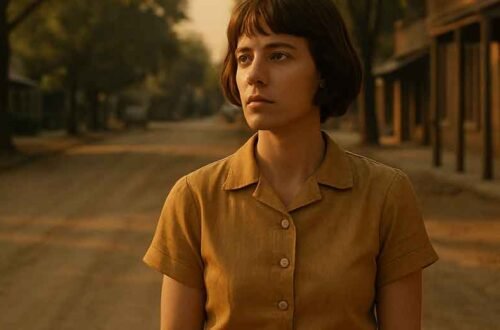
Does a wedding always have to be a joyous, picture-perfect occasion, or can it be a crucible where years of family trauma finally boil over? This is the question posed by Jonathan Demme’s 2008 film, Rachel Getting Married, a raw and unflinching look at a family reunion that is anything but harmonious. The movie centers on the return of Kym, the prodigal daughter, whose presence acts as a powerful, unsettling catalyst.
Kym, a recovering drug addict, is granted a day pass from rehab to attend her sister Rachel’s wedding. Her arrival at the family’s sprawling Connecticut home instantly disrupts the carefully constructed facade of celebration, forcing everyone to confront the deep-seated pain and unresolved conflicts that have defined their lives for years.
The Unconventional Invitation: Kym’s Return
The film’s central drama is set in motion the moment Kym steps back into the world she left behind. Her return is not a quiet, tentative one; it is a jarring, self-destructive explosion of need and resentment.
While the family attempts to focus on the impending nuptials, Kym’s emotional volatility constantly pulls the spotlight toward her own struggles. This dynamic creates a palpable tension, a sense that the wedding is merely a stage for a much more profound and painful family drama.
The Raw, Unfiltered Lens: Jonathan Demme’s Style
Director Jonathan Demme chose a style that perfectly mirrors the emotional rawness of the narrative. The film feels less like a polished Hollywood production and more like a deeply personal home video.
The Handheld Aesthetic and Immersive Experience
The camera is almost constantly handheld, shaky, and intimate, plunging the viewer directly into the middle of the action. This vérité approach eliminates the distance between the audience and the characters, making us feel like uninvited, yet deeply invested, guests at the wedding.
There is no traditional, swelling orchestral score to guide the audience’s emotions. Instead, the film is filled with diegetic music—songs performed by the guests, the groom’s classical ensemble, and spontaneous musical moments. This choice grounds the film in a startling reality, where the music is part of the life being lived, not a commentary on it.
An Ensemble Cast in a Real-Time Setting
The film features a large, diverse ensemble cast, all of whom contribute to the vibrant, sometimes overwhelming atmosphere. The constant movement and overlapping dialogue create a sense of genuine, lived-in chaos, a technique reminiscent of the great ensemble works of director Robert Altman.
The wedding itself is a beautiful, multicultural affair, a celebration of modern family that contrasts sharply with the messy, painful history of the core family unit. This juxtaposition highlights the film’s theme that love and life continue, even in the shadow of tragedy.
A Tapestry of Trauma: The Family Dynamic
At the heart of the film is the family’s shared, yet differently processed, trauma. The wedding serves as the unavoidable moment of reckoning.
Kym and Rachel: The Sibling Rivalry and Resentment
The relationship between Kym and the bride, Rachel, is the most volatile. Rachel is visibly resentful of Kym’s ability to constantly dominate the family’s attention, even on her own wedding weekend.
Kym, in turn, struggles with the guilt of her past actions and her inability to simply be a supportive sister. Their interactions are a masterclass in passive-aggression and sudden, brutal honesty, revealing the deep wounds of sibling rivalry mixed with genuine, if complicated, love.
The Weight of the Past: Abby and Paul
The parents, Paul and Abby, carry the heaviest burden—the death of Kym and Rachel’s younger brother, a tragedy for which Kym holds herself responsible. The film subtly explores how this single event fractured their marriage and continues to define their relationships with their daughters.
A particularly powerful scene between Kym and her mother, Abby, is a raw confrontation over the past, a moment of catharsis that is both agonizing and necessary. It is a testament to the film’s commitment to showing the messy, difficult work of family healing.
Themes of Recovery and Redemption
Rachel Getting Married is ultimately a story about the arduous, non-linear journey toward recovery and redemption. It shows that recovery is not just an individual process for Kym, but a family one.
The film suggests that true healing does not come from forgetting the past, but from integrating it into the present. The family must learn to forgive Kym, but more importantly, Kym must learn to forgive herself. The final scenes, filled with music and genuine connection, offer a fragile, hard-won hope for the future.
The Enduring Legacy of Rachel Getting Married
The film was a critical darling upon its release, largely due to its naturalistic style and the stunning, Oscar-nominated performance by Anne Hathaway as Kym. It remains a powerful, often uncomfortable, but deeply rewarding cinematic experience.
Its legacy lies in its refusal to offer easy answers or tidy resolutions. It is a film that captures the beautiful, messy, and enduring complexity of family life, proving that sometimes, the most dramatic events happen not in grand gestures, but in the quiet, chaotic moments between loved ones.
Frequently Asked Questions About Rachel Getting Married
Q: What is the main conflict in Rachel Getting Married?
A: The main conflict stems from the return of Kym, a recovering drug addict, to her family for her sister Rachel’s wedding, which forces the family to confront years of unresolved trauma, resentment, and guilt, particularly surrounding a past tragedy.
Q: Is Rachel Getting Married based on a true story?
A: No, the film is not based on a specific true story. It was written by Jenny Lumet, who drew on her own experiences and observations of large family gatherings, though the central tragedy is fictional.
Q: Did Anne Hathaway win an Oscar for Rachel Getting Married?
A: Anne Hathaway was nominated for the Academy Award for Best Actress for her performance as Kym, but she did not win.
Q: What is the significance of the music in the film?
A: The film has no formal score. All the music is diegetic (originating from within the scene), performed by the wedding guests and the groom, a classical musician. This choice enhances the documentary-like realism and the feeling of being a guest at the event.

- I’m Aliza, the founder of Urdu Novel Bank. I built this site because I love Urdu stories and want everyone to enjoy them. As an Urdu literature lover, I choose the best novels to share with you. Here you can find free Urdu novels in romance, mystery, thriller and more. Read online or download PDF chapters without signing up. I update the library often so you’ll always have new tales to explore. My goal is to bring Urdu literature to readers around the world.
Latest Novels
- March 31, 2026Home ImprovementEssential Home Upgrades for Better Insulation and Noise Reduction
- March 28, 2026Home ImprovementHow Hiring Professional Charlotte Nc Plumbers Transforms Your Home
- March 27, 2026TravelHow to Manage Your Finances During an International Holiday
- March 26, 2026SportsPractical Nutrition and Fitness Hacks for the Time-Poor Professional