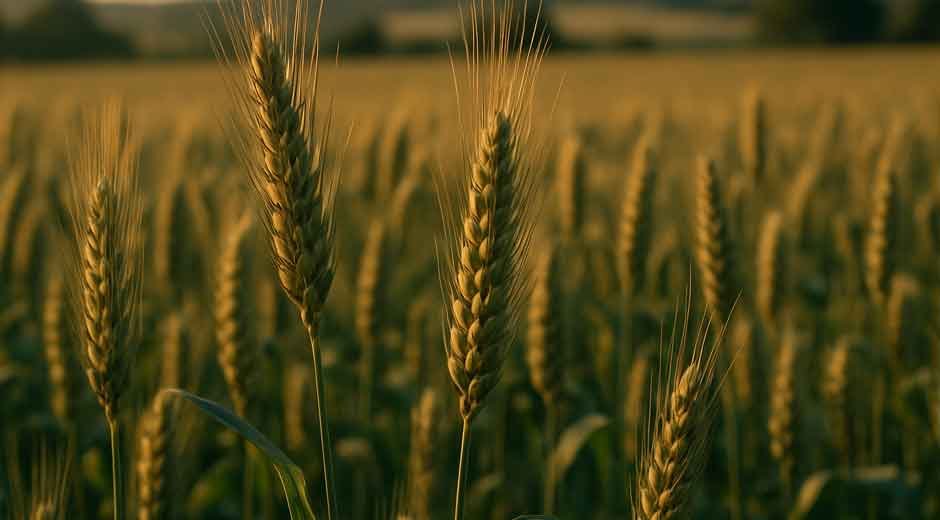
Introduction: Have You Heard of Triticale?
What if a grain could combine the high-yield potential of wheat with the rugged resilience of rye? Would such a crop be the future of sustainable agriculture?
This is the promise of triticale, a remarkable grain that remains largely unknown outside of agricultural circles. It is not a product of nature, but a deliberate creation of human ingenuity.
This hybrid cereal is quietly making its mark, offering a unique blend of nutritional benefits and agricultural versatility that warrants a closer look.
The Science of a Supergrain: What is Triticale?
A Hybrid of Wheat and Rye
Triticale (x Triticosecale Wittmack) is an artificial intergeneric hybrid, meaning it is a cross between two different genera: Triticum (wheat) and Secale (rye). It is a man-made species, a true testament to plant breeding science.
The first successful cross was made in 1873 by Scottish botanist A. S. Wilson, though the resulting plants were initially sterile. It was only through decades of directed human effort, including the use of chemicals like colchicine to double chromosomes, that viable, fertile seeds were produced.
The goal was to create a grain that retained the desirable baking qualities of wheat while inheriting the hardiness, disease resistance, and ability to thrive in marginal soils from rye. Modern triticale varieties have largely achieved this balance.
A Nutritional Powerhouse: Triticale’s Health Benefits
Richer in Fiber and Protein
When compared to its parent grains, triticale often boasts a superior nutritional profile. It is particularly notable for its higher content of both dietary fiber and protein.
The high fiber content is a significant benefit for digestive health, helping to regulate the digestive tract and promote efficient nutrient absorption. For those managing blood sugar, this fiber also helps to balance glucose levels.
Furthermore, the elevated protein levels provide the essential building blocks for cell production and optimized metabolic processes throughout the body. The protein in triticale is considered high-quality, thanks to its greater concentration of the essential amino acid lysine.
Essential Vitamins and Minerals
Beyond the macronutrients, triticale is a rich source of vital micronutrients. It contains significant amounts of minerals such as manganese, zinc, phosphorous, and iron.
Manganese, in particular, is present in high quantities and acts as a powerful antioxidant, which has been linked to a reduction in oxidative stress. The combination of zinc, phosphorous, and calcium also contributes to stronger bone health and may help prevent conditions like osteoporosis.
For pregnant mothers, the high levels of folate (a B-vitamin) found in triticale are crucial. Adequate folate intake is known to help protect against neural tube defects in developing infants.
From Field to Feed: Agricultural Versatility
While its potential for human consumption is still being explored, triticale has already established itself as a major player in the agricultural sector. Its primary use globally is as a high-value animal feed and forage crop.
The grain is a valuable component in the diets of livestock, particularly poultry and swine, due to its high protein and superior digestibility compared to other feed grains like barley. The whole plant is also frequently harvested green for use as high-quality silage.
Triticale’s robust nature makes it ideal for sustainable farming systems. It performs well on marginal lands where wheat struggles and exhibits strong drought tolerance, making it a reliable crop in challenging environments.
Beyond feed, the plant is also utilized as a cover crop to control soil erosion and improve soil health. In a growing number of applications, triticale is also being explored as a source of renewable energy, specifically in the production of bioethanol and solid biofuels.
Triticale in the Kitchen: Potential for Human Consumption
Despite its impressive nutritional credentials, triticale has not yet become a staple in the average kitchen. This is largely due to its unfavorable grain texture and a variation in its end-use quality, which can result in inferior baking performance compared to traditional wheat flour.
However, research is continuously pushing the boundaries. Plant geneticists are working to improve its milling and bread-making qualities, hoping to unlock its full potential as a widely adopted food crop.
As the demand for diverse and nutrient-dense grains grows, triticale stands poised to transition from a specialized feed grain to a common ingredient in breads, cereals, and other starch products.
Overcoming Early Challenges: The Evolution of Triticale Breeding
The path to commercial viability was not an easy one for this hybrid. Early triticale varieties suffered from significant agronomic deficiencies, including low grain yields, shriveled kernels, and excessive height that caused the plants to fall over, a problem known as lodging.
A major breakthrough occurred in 1967 with the accidental cross-pollination that led to the “Armadillo” breeding line. This new variety resolved many of the crop’s problems, offering better fertility, higher yield, and a shorter, stiffer straw.
Today, breeding programs utilize advanced molecular techniques, such as doubled haploid breeding and genomic assisted selection, to accelerate the development of new, superior varieties. This modern approach ensures that triticale continues to evolve into a more competitive and resilient crop.
A Note of Caution: Is Triticale Right for Everyone?
While triticale offers a wealth of benefits, it is essential to address one critical factor. As a hybrid of wheat and rye, it naturally contains high levels of gluten.
Therefore, individuals with celiac disease, gluten intolerance, or wheat allergies must avoid triticale. For this group, it is not a suitable alternative to other gluten-containing grains.
Frequently Asked Questions (FAQ)
Is triticale gluten-free?
No, triticale is not gluten-free. It is a hybrid of wheat and rye, both of which contain gluten.
It should be avoided by individuals with celiac disease or gluten sensitivity, as it will trigger the same adverse reactions as consuming wheat or rye.
What is the difference between triticale and wheat?
Triticale is a hybrid created by crossing wheat and rye. While wheat is known for its superior baking quality, triticale is generally hardier, more disease-resistant, and can grow better in poor soil conditions.
Nutritionally, triticale often contains higher levels of protein and dietary fiber than wheat.
How can I use triticale in my diet?
Triticale can be used in a variety of ways, typically as a whole grain or ground into flour. The whole grain can be cooked and eaten like rice or used in stews and salads.
The flour can be mixed with wheat flour for baking, adding a distinct, slightly nutty flavor and boosting the nutritional content of breads, pancakes, and other baked goods. It is also found in some breakfast cereals and pasta products.

- I’m Aliza, the founder of Urdu Novel Bank. I built this site because I love Urdu stories and want everyone to enjoy them. As an Urdu literature lover, I choose the best novels to share with you. Here you can find free Urdu novels in romance, mystery, thriller and more. Read online or download PDF chapters without signing up. I update the library often so you’ll always have new tales to explore. My goal is to bring Urdu literature to readers around the world.
Latest Novels
- March 31, 2026Home ImprovementEssential Home Upgrades for Better Insulation and Noise Reduction
- March 28, 2026Home ImprovementHow Hiring Professional Charlotte Nc Plumbers Transforms Your Home
- March 27, 2026TravelHow to Manage Your Finances During an International Holiday
- March 26, 2026SportsPractical Nutrition and Fitness Hacks for the Time-Poor Professional