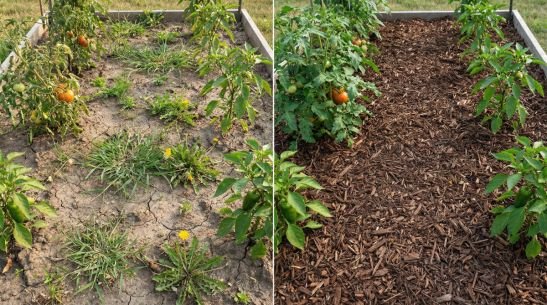
Preventing weeds from growing in garden beds requires a multi-layered approach that combines physical barriers, soil management, and strategic planting techniques. By implementing methods such as heavy mulching, installing permeable weed fabrics, and utilizing solarization, gardeners can significantly reduce weed germination and maintain a healthy growing environment for their plants. These proactive strategies ensure that nutrients and water are reserved for desired vegetation rather than invasive species.
Understanding the Fundamentals of Weed Prevention
Effective weed management begins with understanding how weed seeds thrive and spread within a garden environment. Most common garden weeds are opportunistic, quickly colonizing bare soil where they have access to sunlight, moisture, and nutrients. To prevent their growth, gardeners must eliminate these opportunities by covering exposed soil and minimizing soil disturbance. When soil is turned or tilled, dormant weed seeds are often brought to the surface, where they can finally receive the light necessary for germination. Therefore, maintaining a consistent ground cover is the first line of defense in any weed prevention strategy.
Another critical aspect of prevention is the timing of intervention. It is essential to address potential weed issues before they become established. This includes removing any existing weeds before they have the chance to set seed, as a single weed plant can produce thousands of seeds that remain viable in the soil for years. By focusing on pre-emergence strategies, such as applying barriers and maintaining soil integrity, the long-term labor required for garden maintenance is drastically reduced. This proactive mindset shifts the focus from constant weeding to sustainable garden health.
The Role of Organic and Inorganic Mulching
Mulching is perhaps the most effective and widely used method for preventing weeds in garden beds. Organic mulches, such as wheat straw, pine needles, and aged wood chips, provide a physical barrier that blocks sunlight from reaching the soil surface. As these materials decompose, they also contribute valuable organic matter to the soil, improving its structure and fertility over time. For maximum effectiveness, organic mulch should be applied to a depth of at least three inches. This thickness is sufficient to suppress most annual weed seeds while still allowing moisture and air to reach the roots of desired plants.
In addition to organic options, many gardeners utilize inorganic barriers like landscape fabrics or plastic sheeting. Permeable weed fabrics are particularly useful in permanent plantings, such as shrub borders or perennial beds, as they allow water and nutrients to pass through while blocking weed growth from below. However, it is important to secure these fabrics with landscape staples and cover them with a layer of decorative mulch to prevent UV degradation. While highly effective, these barriers should be monitored to ensure that weeds do not begin to grow in the organic matter that eventually accumulates on top of the fabric.
Comparing Weed Prevention Strategies
Choosing the right weed prevention method depends on the specific needs of the garden, the types of plants being grown, and the gardener’s long-term goals. The following table compares common prevention techniques based on their application and primary benefits.
| Method | Material Used | Primary Benefit | Best For |
|---|---|---|---|
| Organic Mulching | Wood chips, straw, pine needles | Improves soil health while suppressing weeds | Vegetable gardens and flower beds |
| Weed Fabric | Permeable polypropylene mesh | Long-term suppression with low maintenance | Perennial borders and pathways |
| Solarization | Clear plastic sheeting | Eliminates seeds and soil-borne pathogens | Preparing new or heavily infested beds |
| Sheet Mulching | Cardboard or newspaper layers | Effective barrier that decomposes naturally | Establishing new garden areas |
Advanced Techniques: Solarization and Roller Crimping
Another innovative approach used in larger garden spaces is roller crimping, a technique often associated with no-till farming. This method involves growing a cover crop, such as cereal rye or vetch, and then using a heavy roller to flatten and kill the crop at a specific growth stage. The flattened vegetation creates a thick, natural mulch mat that prevents weed emergence throughout the growing season. This technique not only suppresses weeds but also significantly increases soil organic matter and prevents erosion, making it an excellent choice for environmentally conscious gardeners looking to improve their soil’s long-term productivity.
Cultural Practices for Long-Term Weed Control
Beyond physical barriers, certain cultural practices can naturally discourage weed growth. One such practice is high-density planting, where desired plants are spaced closely enough that their foliage creates a living canopy. This canopy shades the soil, making it difficult for sun-loving weeds to establish themselves. Additionally, using targeted irrigation systems, such as drip lines or soaker hoses, ensures that water is delivered directly to the roots of garden plants rather than being broadcast across the entire bed. By keeping the surrounding soil dry, gardeners can starve potential weeds of the moisture they need to germinate.
Regular monitoring and maintenance remain essential components of any prevention plan. Even with the best barriers in place, some weeds may occasionally find a way through. Removing these outliers immediately, before they can establish deep root systems or produce seeds, is critical. Furthermore, maintaining the integrity of mulch layers by replenishing them annually ensures that the protective barrier remains effective. These simple, consistent actions, combined with the more robust prevention methods discussed, create a comprehensive system that keeps garden beds productive and aesthetically pleasing with minimal effort.

Frequently Asked Questions
What is the best mulch for preventing weeds in a vegetable garden?
Organic mulches like clean wheat straw or shredded leaves are often considered the best for vegetable gardens because they suppress weeds while improving soil quality as they break down. It is important to ensure that the straw is free of weed seeds to avoid introducing new problems to the garden bed.
Can I use cardboard as a weed barrier under my mulch?
Yes, using plain brown cardboard or several layers of newspaper under organic mulch is an excellent way to create a biodegradable weed barrier. This method, often called sheet mulching, is highly effective at smothering existing weeds and preventing new ones from emerging while eventually decomposing into the soil.
How deep should my mulch be to stop weeds from growing?
To effectively suppress weed growth, organic mulch should be applied to a depth of approximately three inches. A layer thinner than two inches may allow enough light to reach the soil for weed seeds to germinate, while a layer deeper than four inches can sometimes prevent oxygen from reaching the roots of your plants.
Does landscape fabric stop all weeds forever?
While landscape fabric is a powerful tool for suppressing weeds from below, it is not a permanent solution. Over time, organic matter and dust can accumulate on top of the fabric, providing a medium for wind-blown weed seeds to germinate. Regular maintenance and a top layer of mulch are still necessary for long-term success.
Is it better to pull weeds or spray them in a garden bed?
For garden beds, physical removal or prevention is generally preferred over chemical sprays to protect the health of your plants and the soil ecosystem. Preventing weeds through mulching and barriers is the most efficient long-term strategy, as it reduces the need for both manual labor and chemical intervention.
When is the best time to apply weed prevention measures?
The best time to implement weed prevention is in early spring before the growing season begins or in late fall when preparing beds for the winter. Applying mulch and barriers during these times ensures that you catch the first wave of germinating seeds and set your garden up for a successful, low-maintenance season.

- I’m Aliza, the founder of Urdu Novel Bank. I built this site because I love Urdu stories and want everyone to enjoy them. As an Urdu literature lover, I choose the best novels to share with you. Here you can find free Urdu novels in romance, mystery, thriller and more. Read online or download PDF chapters without signing up. I update the library often so you’ll always have new tales to explore. My goal is to bring Urdu literature to readers around the world.
Latest Novels
- April 10, 2026Fashion & BeautyBeauty Shortcuts That Actually Deliver Lasting Results
- April 8, 2026AutoUpgrading Your 4WD for the Ultimate Off-Road Touring Lifestyle
- April 6, 2026Home ImprovementHow to stop drafts coming through windows
- April 5, 2026Home ImprovementWallpaper vs Paint Which Is Better for Living Room