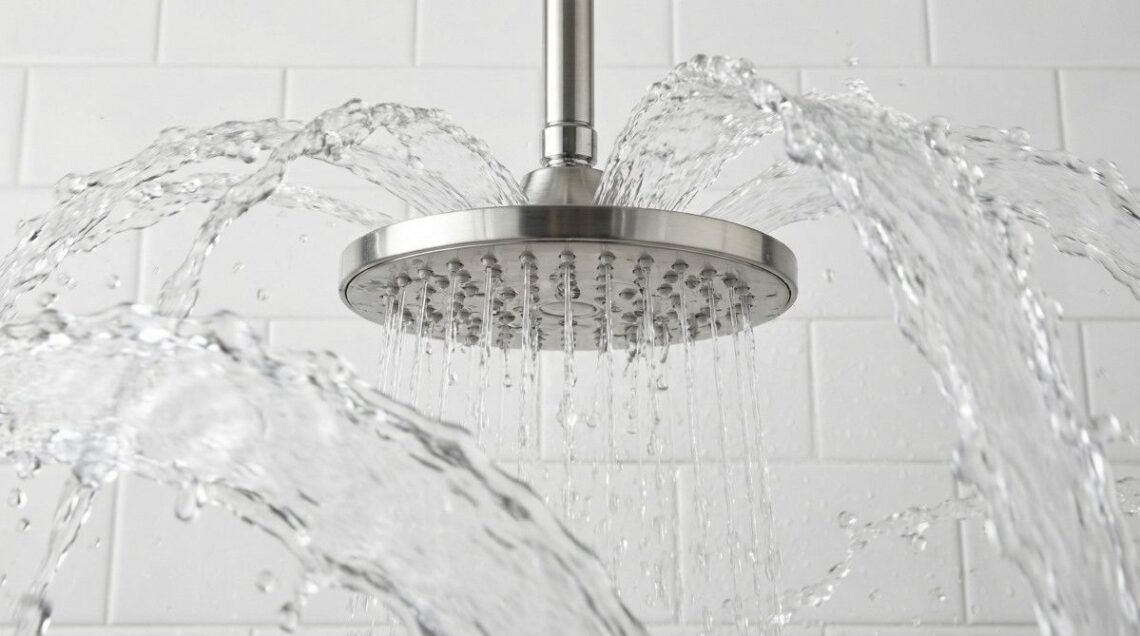
To increase water pressure in your shower, start by cleaning the shower head with vinegar to remove mineral deposits and checking for a flow restrictor that can be removed. If these quick fixes do not work, you may need to adjust your home’s pressure reducing valve or install a water pressure booster pump to address low municipal supply. Identifying whether the issue is isolated to the shower or affects the entire home is the first step toward restoring a powerful and consistent flow.
Understanding the Causes of Low Shower Pressure
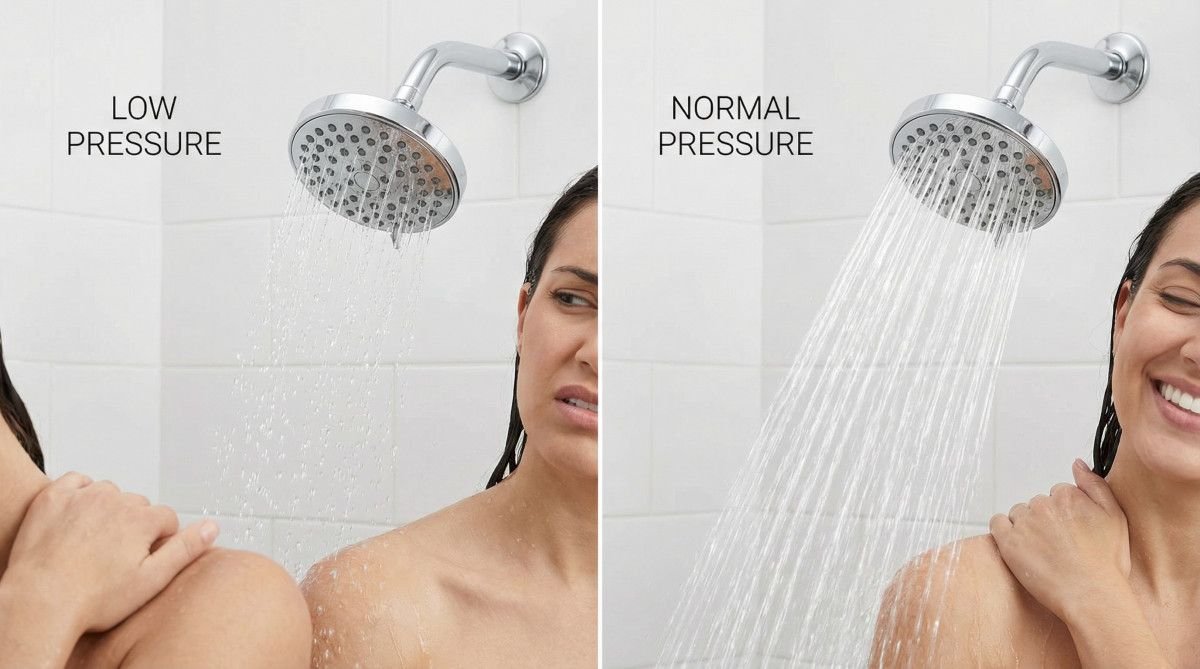
Low water pressure in a shower is a common household frustration that can stem from several different sources. Before attempting any repairs, it is essential to distinguish between water flow and water pressure. Water flow refers to the volume of water moving through the pipes, typically measured in gallons per minute (GPM), while water pressure is the force that pushes that water through the system, measured in pounds per square inch (PSI). Most residential plumbing systems are designed to operate optimally between 40 and 60 PSI.
Common causes for a weak shower spray include mineral buildup within the fixture, the presence of water-saving flow restrictors, or a malfunctioning pressure regulator. In some instances, the problem may be more systemic, such as aging galvanized pipes that have corroded internally or hidden leaks that divert water away from the shower. Understanding these underlying factors allows homeowners to choose the most effective solution for their specific situation.
Quick Fixes for Immediate Improvement
The most frequent cause of reduced shower pressure is hard water buildup. Over time, calcium and magnesium deposits accumulate inside the small nozzles of the shower head, obstructing the flow. A simple and effective remedy is to remove the shower head and soak it in a container of white vinegar for several hours or overnight. This acidic solution dissolves the mineral scale, restoring the original spray pattern without the need for harsh chemicals.
Another common culprit is the flow restrictor, a small plastic disk located inside the shower head’s connector. While these devices are designed to conserve water and meet federal regulations, they can significantly diminish the showering experience in homes that already have lower-than-average incoming pressure. Removing this restrictor or replacing the fixture with a high-pressure shower head designed to concentrate the spray can provide an immediate boost in perceived force.
Adjusting the Home Pressure Regulator
If low pressure is consistent across all fixtures in the home, the issue may lie with the main pressure reducing valve (PRV). This bell-shaped device is typically located near the main water shut-off valve and is responsible for regulating the pressure of the water entering the residence from the municipal supply. If the PRV is set too low or has begun to fail due to age, it will limit the pressure available to the shower.
Adjusting a PRV involves loosening the locknut and turning the adjustment bolt clockwise to increase the pressure. It is critical to use a pressure gauge during this process to ensure the system does not exceed 80 PSI, as excessive pressure can damage appliances, cause pipe rattles, and lead to premature failure of plumbing seals. If the valve does not respond to adjustments, it likely requires professional replacement.
Evaluating Plumbing and Valve Issues
When low pressure is isolated strictly to the shower while other faucets in the bathroom perform well, the problem is often the shower valve itself. Modern single-handle showers use a cartridge or thermostatic valve to mix hot and cold water. If this cartridge becomes clogged with debris or the internal seals wear out, it can restrict the volume of water reaching the shower head. Replacing the shower cartridge is a standard maintenance task that can often resolve isolated pressure issues.
In older homes, the material of the pipes can also be a significant factor. Galvanized steel pipes are prone to internal corrosion and “scaling,” where rust builds up on the inside walls, effectively narrowing the diameter of the pipe over decades. This restriction significantly reduces both flow and pressure. In such cases, the only long-term solution is to repipe the affected sections with modern materials like copper or PEX (cross-linked polyethylene).
Comparing Solutions for Low Water Pressure
Choosing the right method to increase shower pressure depends on the root cause and the desired budget. The following table compares the most common interventions based on their typical impact and complexity.
| Method | Primary Cause Addressed | Complexity | Typical Impact |
|---|---|---|---|
| Vinegar Soak | Mineral Buildup/Hard Water | Low (DIY) | Moderate |
| Restrictor Removal | Water-Saving Devices | Low (DIY) | High |
| PRV Adjustment | Low System-Wide Pressure | Medium | High |
| Cartridge Replacement | Faulty Shower Valve | Medium | Moderate |
| Booster Pump | Low Municipal Supply | High (Professional) | Very High |
| Repiping | Corroded/Narrow Pipes | High (Professional) | Very High |
Advanced Solutions: Booster Pumps
For homes where the municipal water supply is consistently weak, or for those located at the end of a utility line or on a high elevation, mechanical intervention may be necessary. A water pressure booster pump is a specialized device installed on the main water line that uses an electric motor and an impeller to physically increase the pressure of the water entering the home. These systems often include a pressure tank to maintain a steady supply and prevent the pump from cycling too frequently.
While a booster pump is a highly effective solution, it requires professional installation and must comply with local plumbing codes. Some jurisdictions require a backflow preventer to be installed alongside the pump to protect the public water supply. Despite the higher initial cost, a booster pump is often the only way to achieve a high-performance shower experience in areas with chronically low utility pressure.
What is the ideal water pressure for a home shower?
The ideal water pressure for most residential showers is between 45 and 55 PSI. While the legal maximum in many regions is 80 PSI, exceeding 60 PSI is generally unnecessary and can put undue stress on your plumbing fixtures and appliances.
Can a clogged water filter reduce shower pressure?
Yes, if you have a whole-house water filtration system or a specific shower head filter, a clogged cartridge will significantly restrict water flow. These filters should be replaced according to the manufacturer’s schedule, typically every six months, to maintain optimal pressure.
Why does my shower pressure drop when someone else uses water?
This occurs when the total demand for water exceeds the capacity of your plumbing system or the incoming supply. It is often caused by narrow pipes or a partially closed main shut-off valve. Upgrading to larger diameter piping or installing a pressure booster can help mitigate this issue.
Is it legal to remove a shower head flow restrictor?
In the United States, federal regulations mandate that shower heads manufactured after 1992 have a maximum flow rate of 2.5 GPM. While removing a restrictor is a common DIY fix, some states like California have stricter limits (1.8 GPM). Homeowners should check local conservation ordinances before making modifications.
How do I know if my shower valve cartridge is bad?
Signs of a failing shower cartridge include difficulty turning the handle, water leaking from the handle area, or a sudden change in water temperature or pressure that is isolated to that specific shower. If cleaning the shower head does not help, the cartridge is the next logical component to inspect.
Will a larger shower head increase my water pressure?
Actually, a larger shower head often feels like it has less pressure because the same amount of water is distributed over a wider area. To increase the “force” of the spray, it is better to use a smaller, high-efficiency shower head designed specifically for low-pressure environments.

- I’m Aliza, the founder of Urdu Novel Bank. I built this site because I love Urdu stories and want everyone to enjoy them. As an Urdu literature lover, I choose the best novels to share with you. Here you can find free Urdu novels in romance, mystery, thriller and more. Read online or download PDF chapters without signing up. I update the library often so you’ll always have new tales to explore. My goal is to bring Urdu literature to readers around the world.
Latest Novels
- April 10, 2026Fashion & BeautyBeauty Shortcuts That Actually Deliver Lasting Results
- April 8, 2026AutoUpgrading Your 4WD for the Ultimate Off-Road Touring Lifestyle
- April 6, 2026Home ImprovementHow to stop drafts coming through windows
- April 5, 2026Home ImprovementWallpaper vs Paint Which Is Better for Living Room