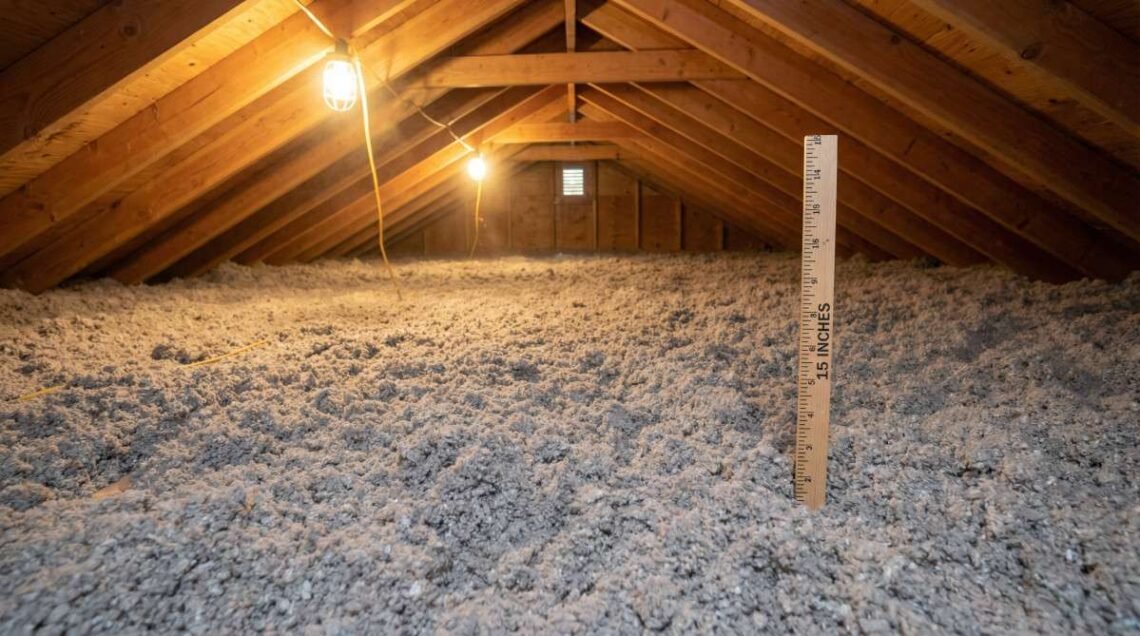
Most attics require between R-30 and R-60 insulation levels depending on the local climate zone and the type of heating system used in the home. According to the U.S. Department of Energy, a properly insulated attic typically needs 10 to 20 inches of material to effectively resist heat flow and maintain consistent indoor temperatures throughout the year.
Understanding R-Value and Attic Efficiency
The effectiveness of attic insulation is measured by its R-value, which represents the material’s thermal resistance to conductive heat flow. A higher R-value indicates greater insulating power and better energy performance for the building envelope. Determining how much insulation an attic needs starts with identifying the target R-value for a specific geographic region, as colder climates require significantly more thermal protection than warmer areas.
In the United States, the Department of Energy divides the country into eight distinct climate zones. Homeowners in southern regions like Florida or Texas (Zones 1 and 2) may only need an R-30 to R-49 rating. In contrast, those living in northern states or high-altitude areas (Zones 5 through 8) often require R-49 to R-60 to prevent heat loss during harsh winters. Achieving these values depends on both the thickness of the material and its specific density.
Recommended Insulation Levels by Climate Zone
The International Energy Conservation Code (IECC) provides standardized recommendations for attic insulation based on regional weather patterns. These guidelines ensure that homes remain energy-efficient while reducing the workload on HVAC systems. When evaluating an existing attic, it is important to measure the current depth of insulation to determine how much additional material is necessary to reach modern standards.
| Climate Zone | Recommended R-Value (Uninsulated Attic) | Recommended R-Value (Existing 3-4 Inches) |
|---|---|---|
| Zone 1 (Southern Tip of FL, HI, PR) | R-30 to R-49 | R-25 to R-30 |
| Zone 2 (Coastal South, TX, CA) | R-30 to R-49 | R-25 to R-38 |
| Zone 3 (Mid-South, AR, GA, NC) | R-30 to R-60 | R-25 to R-38 |
| Zone 4 (Mid-Atlantic, Central US) | R-49 to R-60 | R-38 to R-49 |
| Zones 5-8 (Northern US, AK) | R-49 to R-60 | R-38 to R-49 |
Common Types of Attic Insulation Materials
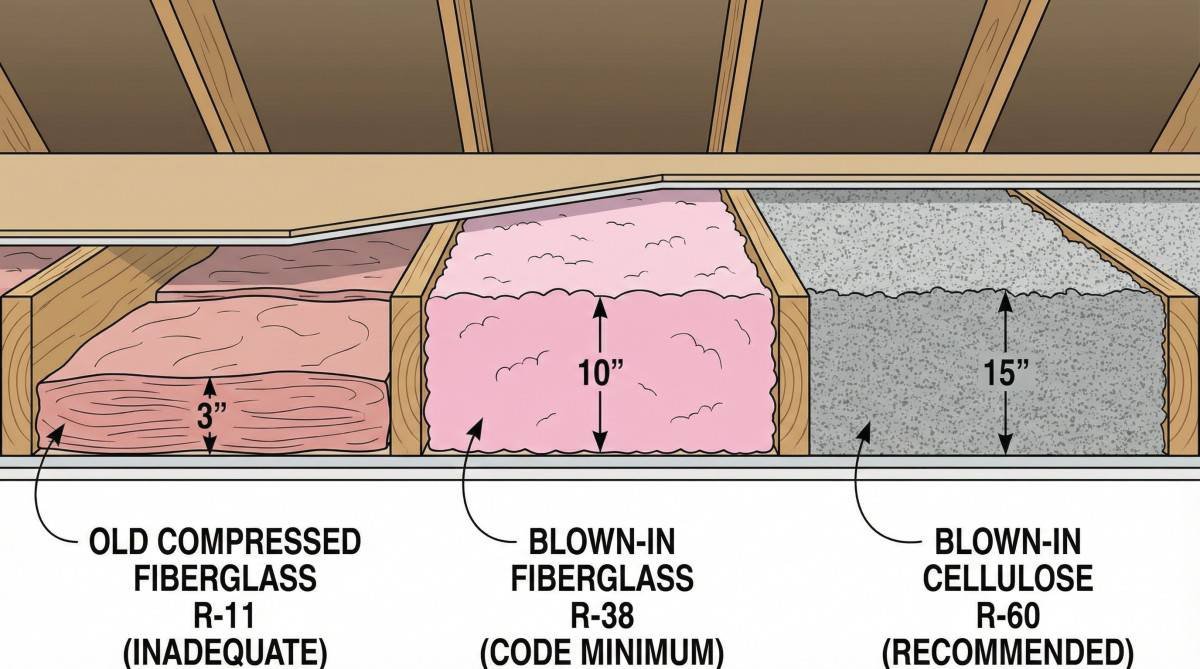
Choosing the right material is just as important as reaching the correct R-value. Different products offer varying levels of thermal resistance per inch of thickness. Fiberglass batts are a common choice for DIY projects because they are pre-cut to fit between standard joist spacing. However, blown-in options like cellulose or loose-fill fiberglass are often superior for attics with irregular shapes or many obstructions, as they can fill small gaps and crevices more effectively.
Mineral wool is another durable option known for its high melting point and excellent fire resistance. For homeowners seeking the highest possible R-value in a limited space, closed-cell spray foam provides approximately R-6 to R-7 per inch. While more expensive, spray foam also acts as an air barrier, which can further improve the overall efficiency of the attic space by preventing drafts and moisture infiltration.
The Importance of Air Sealing Before Insulating
Adding more insulation without addressing air leaks is a common mistake that reduces the effectiveness of the upgrade. Warm air from the living space can escape into the attic through small openings around plumbing stacks, electrical wires, recessed lights, and the attic hatch. These leaks carry moisture that can condense in the insulation, leading to mold growth and structural damage over time.
Professional contractors typically perform air sealing using caulk, expanding foam, or weatherstripping before installing new insulation. This process ensures that the thermal barrier remains intact and that the insulation can perform at its rated R-value. By stopping the movement of air, homeowners can achieve better comfort levels and lower utility bills than they would by simply piling more material on top of existing leaks.
Calculating the Required Thickness for Your Attic
To calculate how many inches of insulation are needed, you must divide the target R-value by the R-value per inch of the chosen material. For example, if you live in Zone 4 and want to reach R-49 using blown-in cellulose (which averages R-3.5 per inch), you would need approximately 14 inches of material. If you already have 4 inches of old fiberglass (roughly R-11), you would need to add another 11 inches of cellulose to reach the goal.
It is also vital to consider the “settling” factor of loose-fill materials. Over time, cellulose and some types of fiberglass will compress under their own weight, slightly reducing their thickness and R-value. Most manufacturers provide a coverage chart on the product packaging that specifies the initial installation thickness required to maintain the settled R-value over the long term.
Signs Your Attic Needs More Insulation
Homeowners can often identify insulation deficiencies without climbing into the attic. One of the most obvious signs is inconsistent temperatures between different rooms or floors of the house. If the upstairs is significantly warmer in the summer or colder in the winter than the downstairs, the attic likely lacks sufficient thermal protection. High energy bills during peak heating or cooling months are another strong indicator of poor attic performance.
In colder climates, the presence of ice dams on the roof is a major red flag. Ice dams form when heat escaping from the attic melts snow on the roof, which then refreezes at the colder eaves. This process can cause water to back up under shingles and leak into the home. Proper insulation and ventilation work together to keep the roof deck cool, preventing the cycle of melting and freezing that leads to dam formation.
How can I tell what kind of insulation is currently in my attic?
You can identify insulation by its appearance and texture. Fiberglass usually looks like pink, yellow, or white fluffy clouds or blankets. Cellulose is typically gray or tan and has a recycled paper-like consistency. Mineral wool is often dull green or brown and feels denser than fiberglass. If the material is small, gray pebbles, it may be vermiculite, which should be tested for asbestos before being disturbed.
Is it okay to put new insulation over old insulation?
Yes, it is generally acceptable to add new insulation over existing material as long as the old insulation is dry and free of mold. If the old insulation is wet, matted, or infested with pests, it should be removed entirely before new material is installed. When adding new batts over old ones, ensure the new batts do not have a paper or foil vapor barrier, as this can trap moisture between the layers.
Does more insulation help with noise reduction?
Increased attic insulation can significantly reduce the amount of exterior noise that enters a home. Materials like mineral wool and cellulose are particularly effective at dampening sound waves from rain, wind, and overhead aircraft. While the primary goal of insulation is thermal regulation, the added density in the attic floor provides a secondary benefit of creating a quieter and more peaceful indoor environment.
How much does it cost to insulate an attic to recommended levels?
The cost of insulating an attic varies based on the size of the space, the type of material chosen, and whether professional labor is required. On average, homeowners can expect to spend between $1,500 and $3,500 for a standard attic upgrade. While the upfront cost may seem high, the investment often pays for itself within a few years through reduced monthly energy expenses and increased home value.
Should I insulate the attic floor or the roof rafters?
In most traditional vented attics, the insulation should be placed on the attic floor to keep the living space conditioned and the attic itself unconditioned. This is the most cost-effective method for most homes. However, if you plan to use the attic as a living space or want to keep HVAC equipment in a conditioned environment, insulating the roof rafters (often with spray foam) is the preferred approach to create a “conditioned attic.”
How long does attic insulation typically last?
Most attic insulation materials are designed to last for several decades. Fiberglass and mineral wool can remain effective for 80 to 100 years if they stay dry and undisturbed. Cellulose typically lasts 20 to 30 years before it may begin to degrade or settle significantly. However, factors like roof leaks, pest infestations, or structural changes can shorten the lifespan of any insulation material, making periodic inspections necessary.

- I’m Aliza, the founder of Urdu Novel Bank. I built this site because I love Urdu stories and want everyone to enjoy them. As an Urdu literature lover, I choose the best novels to share with you. Here you can find free Urdu novels in romance, mystery, thriller and more. Read online or download PDF chapters without signing up. I update the library often so you’ll always have new tales to explore. My goal is to bring Urdu literature to readers around the world.
Latest Novels
- April 10, 2026Fashion & BeautyBeauty Shortcuts That Actually Deliver Lasting Results
- April 8, 2026AutoUpgrading Your 4WD for the Ultimate Off-Road Touring Lifestyle
- April 6, 2026Home ImprovementHow to stop drafts coming through windows
- April 5, 2026Home ImprovementWallpaper vs Paint Which Is Better for Living Room