Double pane windows offer significant energy savings over single-pane units, but triple pane windows provide the highest level of thermal performance for modern homes. Choosing between them depends on balancing the initial 10% to 15% higher cost of triple-pane glass against long-term reductions in heating and cooling expenses. For most homeowners in colder climates, the superior insulation of triple-pane technology is the most effective way to minimize heat loss and maximize indoor comfort.
Understanding the Thermal Performance of Multi-Pane Windows
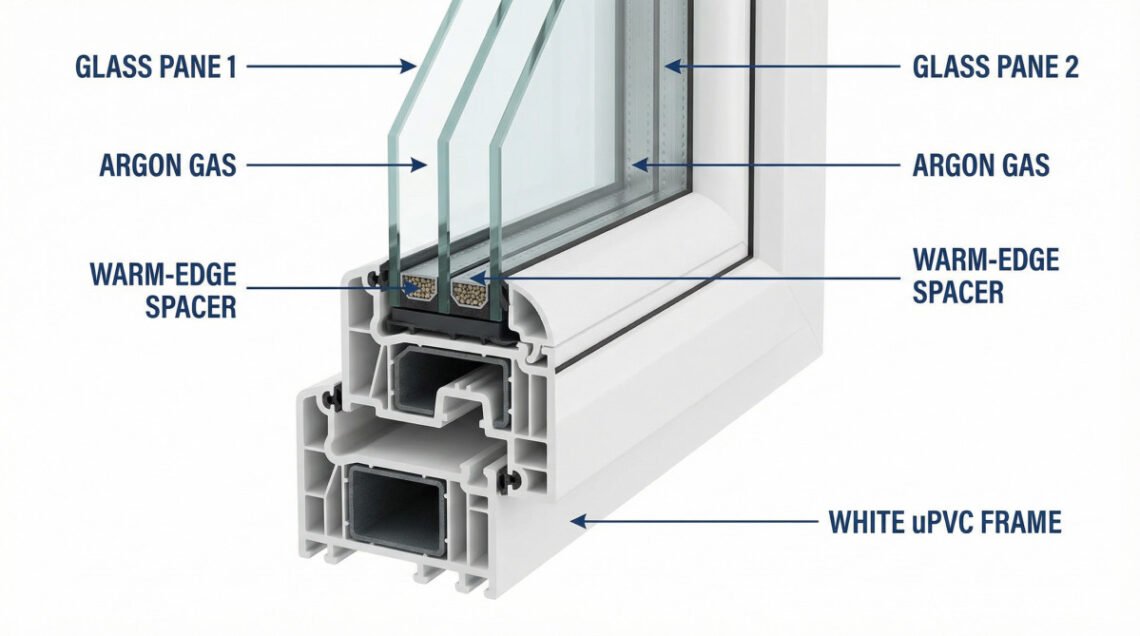
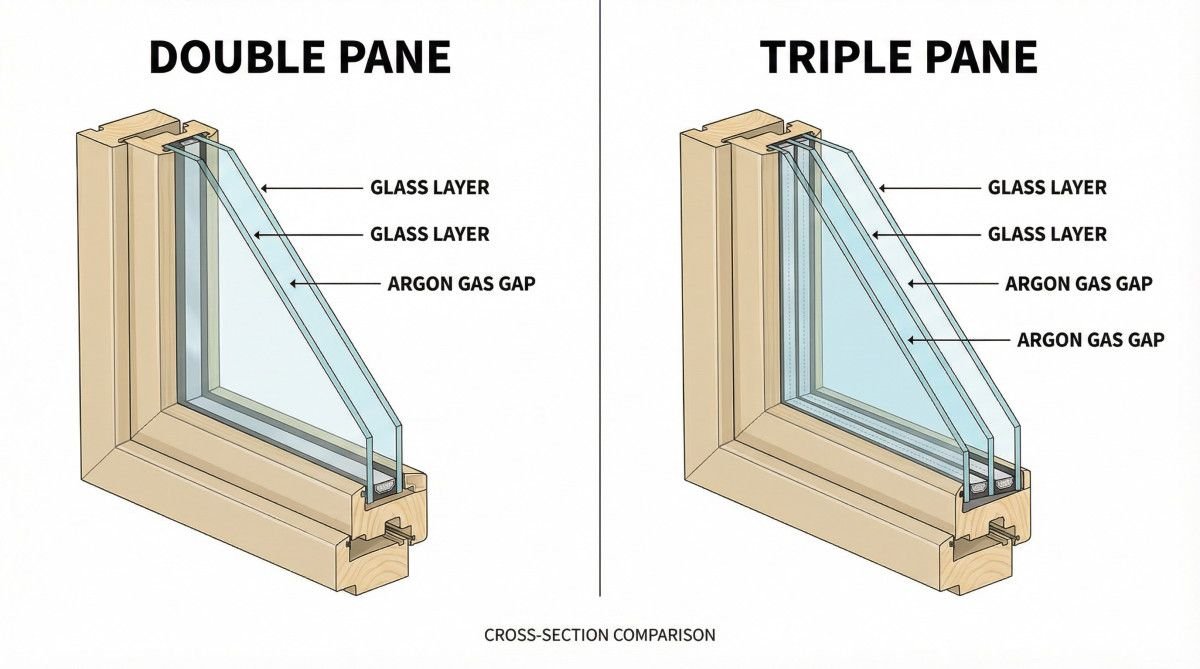
The primary difference between double and triple pane windows lies in the number of glass layers and the insulating spaces between them. A double-pane window consists of two sheets of glass separated by a spacer, creating a single hermetically sealed air or gas-filled gap. Triple-pane windows add a third layer of glass, creating two separate insulating chambers. These chambers are typically filled with inert gases like argon or krypton, which are denser than air and significantly slow the transfer of heat through the window unit.
Thermal performance is measured by the U-factor, which indicates the rate of non-solar heat loss. A lower U-factor signifies better insulation. While a standard double-pane window might have a U-factor around 0.30, high-performance triple-pane windows can achieve ratings as low as 0.20 or even 0.15. This reduction in heat transfer is critical for maintaining consistent indoor temperatures and reducing the workload on HVAC systems during extreme weather conditions.
Energy Star 7.0 Standards and Efficiency Ratings
The Environmental Protection Agency (EPA) recently updated the Energy Star requirements for residential windows to Version 7.0, setting more stringent criteria for energy efficiency. These standards vary by climate zone to ensure that windows are optimized for local weather patterns. In the Northern Zone, where heating demands are highest, the U-factor requirement has been lowered to 0.22 or less, a benchmark that often necessitates the use of triple-pane glass or advanced double-pane units with multiple low-e coatings.
| Climate Zone | U-Factor Requirement | SHGC Requirement |
|---|---|---|
| Northern | ≤ 0.22 | Any |
| North-Central | ≤ 0.25 | ≤ 0.40 |
| South-Central | ≤ 0.28 | ≤ 0.23 |
| Southern | ≤ 0.32 | ≤ 0.23 |
The Solar Heat Gain Coefficient (SHGC) is another vital metric, measuring how much solar radiation passes through the window. In warmer Southern climates, a low SHGC is prioritized to block heat from the sun and reduce cooling costs. Triple-pane windows excel in these areas by providing more surfaces for low-emissivity (low-e) coatings, which reflect infrared light while allowing visible light to pass through.
Calculating Long-Term Energy Savings
Switching from single-pane windows to Energy Star certified double-pane windows can save homeowners an average of 12% on their annual energy bills. Moving from double-pane to triple-pane windows offers additional incremental savings, often ranging from 3% to 5% of total energy costs depending on the local climate and the home’s overall insulation. While the percentage may seem small, the cumulative savings over the 20- to 30-year lifespan of the windows can be substantial.
Beyond direct utility bill reductions, triple-pane windows contribute to energy savings by allowing for smaller, more efficient HVAC systems. Because the windows provide a better thermal envelope, the heating and cooling equipment does not need to be oversized to compensate for drafts or significant heat loss through the glass. This “right-sizing” of equipment can lead to lower initial costs for HVAC replacement and improved operational efficiency throughout the year.
The Role of Low-E Coatings and Gas Fills
The energy savings of modern windows are not just about the glass layers but also the technologies integrated within the insulated glass unit (IGU). Low-emissivity (low-e) coatings are microscopically thin layers of metal or metallic oxide applied to the glass surfaces. These coatings are designed to reflect long-wave infrared energy (heat) back to its source. In the winter, they keep heat inside the home; in the summer, they keep outdoor heat from entering.
Gas fills further enhance the insulating properties of the window. Argon is the most common gas used because it is inexpensive and effective. Krypton is even more dense and provides better insulation in the narrower spaces typically found in triple-pane units, though it comes at a higher price point. The combination of three panes, two gas-filled spaces, and multiple low-e coatings creates a thermal barrier that is significantly more effective than any double-pane configuration. According to the Department of Energy, these advancements in window technology are essential for reducing the carbon footprint of residential buildings and achieving long-term sustainability goals. Homeowners can find detailed performance data and climate-specific recommendations through the official Department of Energy website.
Installation Considerations and Structural Requirements
Upgrading to triple-pane windows is not merely a matter of swapping out glass; it requires careful consideration of the home’s structural integrity. Because triple-pane units are approximately 50% heavier than their double-pane counterparts, the existing window frames and surrounding wall structures must be capable of supporting the additional load. In some cases, older homes may require structural reinforcement before high-performance triple-pane windows can be safely installed.
Professional installation is paramount when dealing with multi-pane windows. The effectiveness of the insulating gas fills and low-e coatings depends entirely on the integrity of the seal within the insulated glass unit. Improper handling during transport or installation can lead to seal failure, which allows the insulating gas to escape and moisture to enter the gap between the panes. This results in fogging and a significant loss of thermal performance, negating the benefits of the triple-pane investment.
Comparing Material Options for Multi-Pane Frames
The frame material plays a crucial role in the overall energy efficiency of a window system. While the glass provides the majority of the surface area, the frame can be a significant source of heat transfer if not properly selected. Common materials include vinyl, wood, fiberglass, and aluminum. Vinyl and fiberglass are popular choices for triple-pane windows because they offer excellent thermal resistance and can be manufactured with multi-chambered profiles that further enhance insulation.
Wood frames provide natural insulation and a classic aesthetic but require more maintenance to prevent rot and warping. Aluminum frames, while strong and durable, are highly conductive and typically require a thermal break—a strip of non-conductive material—to prevent heat from flowing through the frame. When pairing high-performance triple-pane glass with a frame, it is essential to choose a material that complements the glass’s U-factor to ensure the entire window assembly meets Energy Star 7.0 standards.
The Future of High-Performance Glazing
As building codes become more stringent and energy costs continue to rise, the adoption of triple-pane windows is expected to increase. Innovations such as “thin-glass” triple-pane units are currently being developed to provide the benefits of three layers of glass without the significant weight penalty. These units use a very thin center pane, which allows them to fit into standard double-pane frames, making them an attractive option for retrofitting existing homes.
Furthermore, the integration of smart technologies into window systems is on the horizon. Dynamic glazing, which can change its tint or reflective properties in response to sunlight or temperature, may eventually be combined with triple-pane construction to create the ultimate energy-saving window. For now, however, the transition from double-pane to triple-pane remains the most effective and proven method for homeowners to significantly improve their home’s thermal envelope and reduce energy consumption.
Additional Benefits Beyond Energy Efficiency
While energy savings are a primary driver for choosing triple-pane windows, they offer several secondary benefits that improve the living environment. One of the most noticeable advantages is sound dampening. The extra layer of glass and the additional air space act as a buffer against exterior noise, such as traffic, lawnmowers, or loud neighbors. This makes triple-pane windows an excellent choice for homes in urban areas or near busy thoroughfares.
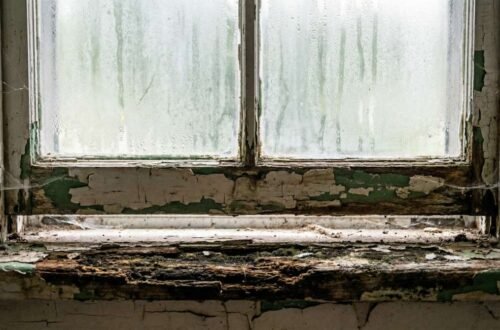
Condensation resistance is another key benefit. Because the interior pane of a triple-pane window stays warmer than that of a double-pane window, moisture is less likely to condense on the glass during cold weather. This reduces the risk of mold growth on window sills and frames, contributing to better indoor air quality and protecting the structural integrity of the window opening. Furthermore, the increased glass mass makes triple-pane windows more difficult to break, providing an added layer of home security.
How much can I save by upgrading to triple pane windows?
Upgrading from standard double-pane to high-performance triple-pane windows typically results in an additional 3% to 5% reduction in annual heating and cooling costs. In extreme climates, these savings can be higher, especially when replacing older, inefficient double-pane units that lack modern low-e coatings and gas fills.
Are triple pane windows worth the extra cost?
Triple-pane windows are generally worth the investment for homeowners planning to stay in their homes for ten years or more, particularly in very cold or very hot regions. The added comfort, noise reduction, and condensation resistance often outweigh the 10% to 15% price premium over double-pane options.
Do triple pane windows provide better UV protection?
Yes, triple-pane windows offer superior UV protection because they provide more surfaces for low-e coatings. These coatings can block up to 99% of harmful ultraviolet rays, which helps prevent the fading of furniture, flooring, and artwork caused by prolonged sun exposure.
Is the weight of triple pane windows a concern for installation?
Triple-pane windows are significantly heavier than double-pane units due to the third layer of glass. This may require reinforced window frames and more robust hardware. It is essential to ensure that the home’s structure can support the additional weight and that the installation is performed by experienced professionals.
Can I mix double and triple pane windows in my home?
Many homeowners choose to install triple-pane windows on the north-facing side of their home to combat cold winds and double-pane windows on other sides to save on costs. This strategic approach allows you to maximize energy efficiency where it is needed most while staying within a specific budget.
How do I know if a window is Energy Star certified?
Energy Star certified windows will feature a blue Energy Star label on the glass or frame. This label indicates that the window meets or exceeds the efficiency standards set by the Department of Energy for your specific climate zone, as verified by the National Fenestration Rating Council (NFRC).

- I’m Aliza, the founder of Urdu Novel Bank. I built this site because I love Urdu stories and want everyone to enjoy them. As an Urdu literature lover, I choose the best novels to share with you. Here you can find free Urdu novels in romance, mystery, thriller and more. Read online or download PDF chapters without signing up. I update the library often so you’ll always have new tales to explore. My goal is to bring Urdu literature to readers around the world.