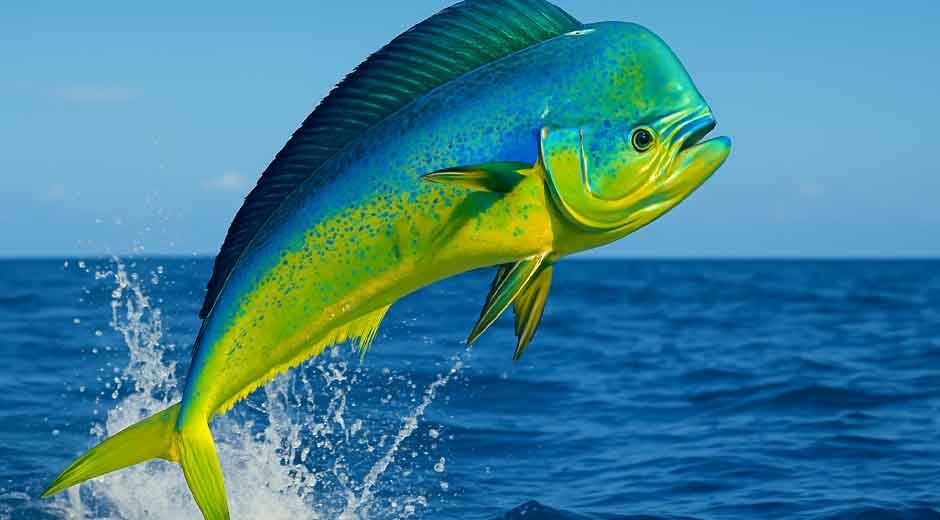
Is It a Fish, a Mammal, or Three Different Species? Unraveling the Identity of the Dolphin Fish
Have you ever been confused when ordering a delicious fish dish, seeing it listed as **Mahi-Mahi** on one menu and **Dorado** on another? Or perhaps you’ve heard the term **Dolphin Fish** and wondered if you were about to eat a marine mammal?
This common confusion is one of the great quirks of the ocean’s naming conventions. The truth is, all three names—Dorado, Mahi-Mahi, and Dolphin Fish—refer to the exact same, single species of fish: *Coryphaena hippurus*.
This magnificent creature is one of the most sought-after game fish in the world, known for its stunning colors and powerful fight. Its multiple identities are simply a reflection of its vast global range and the diverse cultures that encounter it.
What’s in a Name? Decoding Dorado, Mahi-Mahi, and Dolphin Fish
The sheer number of names for this fish speaks to its widespread popularity, but it also creates a linguistic puzzle for anglers and diners alike. Each name carries a distinct cultural and geographical origin.
The Hawaiian Name: Mahi-Mahi
The name **Mahi-Mahi** is perhaps the most widely accepted and least confusing of the three, especially in culinary circles. It originates from the Hawaiian language and translates literally to “strong-strong” or “very strong.”
This name is a fitting tribute to the fish’s incredible strength and speed, which make it a formidable opponent for any sport fisherman. The adoption of this name in the United States was largely a marketing effort to distance the fish from the misleading “Dolphin Fish” moniker.
The Spanish Name: Dorado
In Spanish-speaking regions, particularly along the Pacific coasts of Central and South America, the fish is universally known as **Dorado**. This name translates to “golden” or “gilded.”
It is a direct reference to the fish’s spectacular, iridescent golden-yellow coloring, which flashes brilliantly when it is pulled from the water. This name is also used for a completely different, freshwater fish (*Salminus brasiliensis*), but in the context of saltwater fishing, Dorado almost always means *Coryphaena hippurus*.
The Misleading Name: Dolphin Fish
The name **Dolphin Fish** is the source of the most significant confusion and is now largely avoided in commercial contexts. It is the common English name for the species, particularly in the Atlantic and Caribbean.
The origin of this name is debated, but it likely stems from the fish’s habit of swimming near the surface, often leaping out of the water, much like the marine mammal dolphin. To be perfectly clear, the Dolphin Fish is a ray-finned fish, completely unrelated to the air-breathing, intelligent marine mammal.
A Flash of Color: Physical Characteristics of the Coryphaena Hippurus
The Mahi-Mahi is instantly recognizable, not just for its speed but for its striking physical appearance. It possesses a compressed, long body and a single dorsal fin that runs nearly the entire length of its back.
The colors of a live Mahi-Mahi are legendary. They display brilliant hues of electric blue, green, and gold, which fade almost immediately upon death, a phenomenon that adds to their mystique among fishermen.
A key difference between the sexes is the shape of the head. Males, known as “bulls,” have a prominent, blunt, and vertical forehead, while the females, or “cows,” have a more rounded profile.
The Ocean’s Speedster: Habitat, Diet, and Life Cycle
As a pelagic species, the Mahi-Mahi is an open-ocean wanderer, preferring the warm, tropical, and subtropical waters of the Atlantic, Pacific, and Indian Oceans. They are known for their incredibly fast growth rate and short lifespan, rarely living past five years.
They are voracious, opportunistic predators, feeding primarily on small fish, squid, and crustaceans. Their diet and habitat often lead them to congregate around floating objects, such as sargassum weed lines or debris, which provide cover for their prey.
Their speed is one of their most defining characteristics. They are among the fastest fish in the sea, capable of bursts of speed that make them a thrilling catch for sport fishermen.
From Sport to Plate: Fishing and Culinary Value
The **Dorado** is highly prized in both commercial and recreational fishing. Its aggressive nature and acrobatic leaps make it a top-tier sport fish, providing a challenging and rewarding experience for anglers.
From a culinary perspective, the **Mahi-Mahi** is celebrated for its firm, white, and flavorful flesh. It is a versatile fish that holds up well to grilling, baking, and searing, making it a staple in seafood restaurants worldwide.
Its popularity has led to careful management in many regions to ensure sustainable fishing practices. When sourced responsibly, it remains a delicious and environmentally sound choice for seafood lovers.
Frequently Asked Questions (FAQ)
Is the Dolphin Fish related to the marine mammal dolphin?
Absolutely not. The Dolphin Fish (*Coryphaena hippurus*) is a bony, ray-finned fish. The marine mammal dolphin is a warm-blooded cetacean. The shared name is purely a historical coincidence, likely due to the fish’s leaping behavior.
Where does the name “Dorado” come from?
“Dorado” is the Spanish name for the fish, meaning “golden.” It refers to the brilliant, iridescent gold and yellow colors the fish displays when alive.
What is the best way to cook Mahi-Mahi?
Mahi-Mahi’s firm texture makes it ideal for high-heat cooking methods. Grilling, pan-searing, or baking are excellent choices. It pairs well with tropical flavors like mango salsa or a simple lemon-butter sauce.
How fast can a Mahi-Mahi swim?
Mahi-Mahi are exceptionally fast, with reported top speeds of up to 50 knots (about 58 mph or 93 km/h). This speed is essential for both hunting prey and evading larger predators in the open ocean.

- I’m Aliza, the founder of Urdu Novel Bank. I built this site because I love Urdu stories and want everyone to enjoy them. As an Urdu literature lover, I choose the best novels to share with you. Here you can find free Urdu novels in romance, mystery, thriller and more. Read online or download PDF chapters without signing up. I update the library often so you’ll always have new tales to explore. My goal is to bring Urdu literature to readers around the world.
Latest Novels
- March 31, 2026Home ImprovementEssential Home Upgrades for Better Insulation and Noise Reduction
- March 28, 2026Home ImprovementHow Hiring Professional Charlotte Nc Plumbers Transforms Your Home
- March 27, 2026TravelHow to Manage Your Finances During an International Holiday
- March 26, 2026SportsPractical Nutrition and Fitness Hacks for the Time-Poor Professional