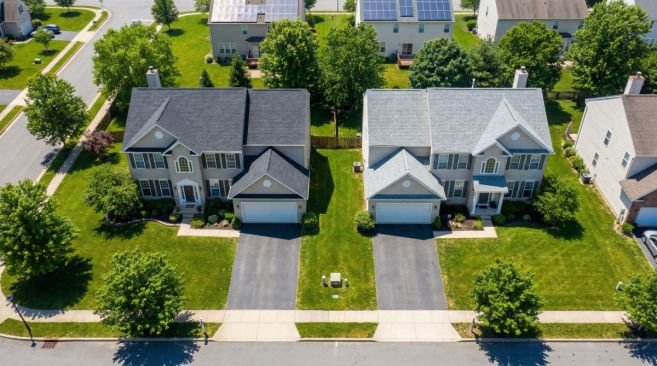
Roof color significantly affects home temperature by determining how much solar radiation is absorbed or reflected by the building’s uppermost surface. Lighter-colored roofs, such as white or light gray, reflect a higher percentage of sunlight and remain significantly cooler than dark-colored roofs, which absorb up to 90% of solar energy. This difference in heat absorption directly impacts attic temperatures, the workload of HVAC systems, and overall indoor comfort levels during periods of high solar exposure.
The Science of Solar Reflectance and Albedo
The primary mechanism through which roof color influences temperature is known as solar reflectance, or albedo. Albedo is a measure of how well a surface reflects solar energy, ranging from 0 (total absorption) to 1 (total reflection). Standard dark-colored roofing materials typically have a low albedo, often between 0.05 and 0.15, meaning they absorb the vast majority of the sun’s rays. In contrast, specially designed “cool roofs” or light-colored materials can achieve an albedo of 0.65 or higher, reflecting more than two-thirds of the incoming solar radiation back into the atmosphere.
When sunlight hits a roof, it consists of visible light, ultraviolet (UV) rays, and infrared radiation. While visible color is a strong indicator of reflectance, it is not the only factor. Some modern roofing materials use “cool pigments” that are designed to reflect infrared radiation—which carries about half of the sun’s heat—even if the roof appears darker to the human eye. However, for traditional materials like asphalt shingles, the visible color remains the most reliable predictor of thermal performance. A white roof will naturally stay cooler than a black roof because it reflects a broader spectrum of solar energy, preventing that energy from being converted into heat within the roofing material itself.
The Department of Energy (DOE) emphasizes that the solar reflectance of a roof is the most critical factor in reducing the cooling load of a building. By maintaining a higher albedo, a roof reduces the “heat gain” of the structure. This is particularly important in climates with high solar intensity, where the roof can reach temperatures 50 to 60 degrees Fahrenheit higher than the ambient air temperature. A high-albedo roof mitigates this extreme temperature spike, acting as a passive cooling system for the entire home.
How Dark Roofs Impact Attic Temperatures
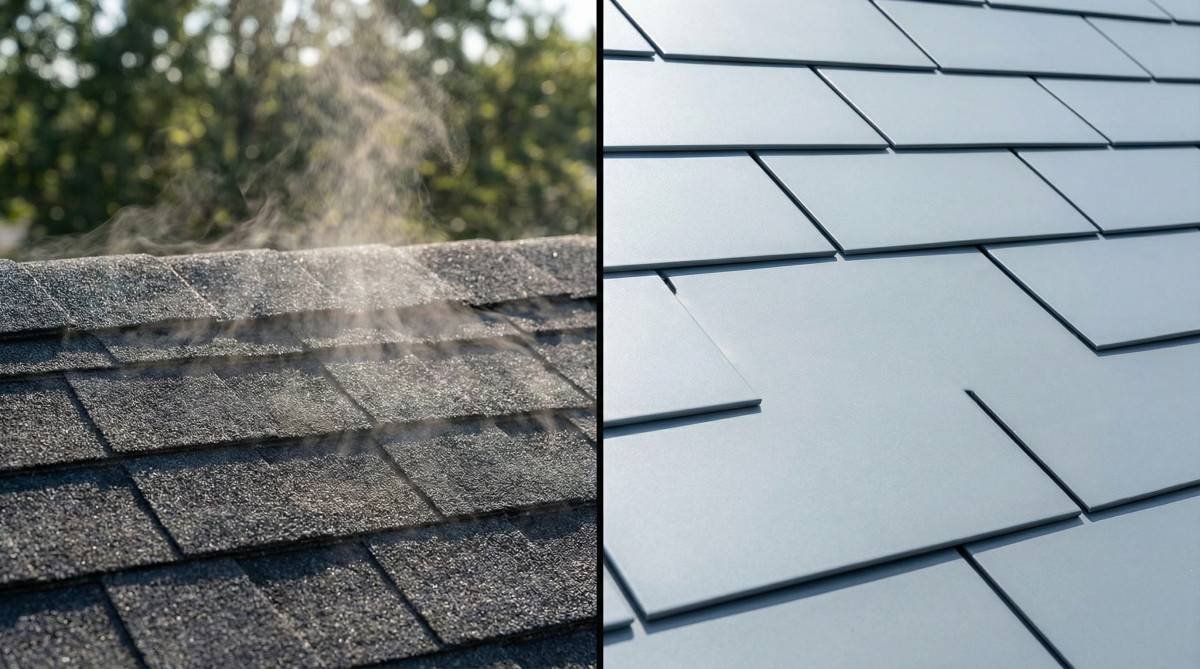
Dark roofs act as massive thermal collectors, absorbing solar energy and transferring it downward into the attic space through conduction. On a typical summer day with an ambient temperature of 90 degrees Fahrenheit, a standard dark asphalt shingle roof can easily reach surface temperatures exceeding 150 degrees Fahrenheit. This intense heat is then radiated into the attic, where temperatures can soar to 130 degrees or higher if the space is not exceptionally well-ventilated. This phenomenon creates a “heat reservoir” directly above the living quarters of the home.
The elevated temperature in the attic has several cascading effects on the home’s thermal environment. First, it increases the temperature gradient between the attic and the living space below. Even with high-quality insulation, heat will eventually migrate through the ceiling and into the rooms, forcing the air conditioning system to work harder to maintain a comfortable set point. Second, the high heat can cause the ductwork located in the attic to warm up. When the HVAC system kicks on, it must first push out the hot air trapped in the ducts before it can deliver cool air to the rooms, leading to further energy inefficiency.
The extreme heat associated with dark roofs can accelerate the degradation of the roofing materials themselves. Constant thermal expansion and contraction, known as thermal cycling, puts significant stress on shingles and underlayment. Over time, this can lead to cracking, curling, and a shortened overall lifespan for the roof. By absorbing less heat, lighter roofs experience less dramatic temperature swings, which can contribute to better long-term structural integrity and fewer maintenance issues related to heat-induced wear.
Energy Efficiency Benefits of Light-Colored Roofing
Switching to a light-colored or highly reflective roof can lead to substantial energy savings, particularly in regions where cooling is the primary HVAC demand. According to data from the ENERGY STAR program, reflective roofing products can reduce peak cooling demand by 10 to 15 percent. This reduction is not just about lower monthly utility bills; it also reduces the strain on the electrical grid during the hottest parts of the day, which can help prevent brownouts and lower overall energy costs for the community.
The efficiency gains are most pronounced in older homes that may have suboptimal insulation or ventilation. In these structures, the roof’s color serves as a primary line of defense against solar heat gain. By reflecting the sun’s rays, the roof prevents the heat from entering the building envelope in the first place. This is often more cost-effective than trying to manage the heat once it has already penetrated the attic. For homeowners, this translates to an HVAC system that cycles less frequently, leading to lower maintenance costs and a longer lifespan for the air conditioning unit.
Beyond individual home benefits, the widespread adoption of light-colored roofs contributes to the mitigation of the “urban heat island” effect. In densely populated areas, the concentration of dark surfaces like roofs and roads causes local temperatures to be several degrees higher than surrounding rural areas. By increasing the overall albedo of a neighborhood through lighter roofing choices, communities can lower ambient air temperatures, improve air quality by reducing the formation of smog, and create a more comfortable outdoor environment for everyone.
Comparing Different Roofing Materials and Colors
While color is a major factor, the material of the roof also plays a role in how heat is managed. Different materials have varying levels of thermal mass and emissivity, which affect how quickly they heat up and how efficiently they release stored heat once the sun goes down. For example, metal roofs are excellent at reflecting sunlight, especially when painted with reflective coatings, and they cool down very quickly in the evening. Tile roofs, while heavy, provide excellent natural ventilation and thermal resistance due to their shape and density.
| Roofing Material | Color Category | Typical Solar Reflectance | Thermal Performance |
|---|---|---|---|
| Asphalt Shingles | Dark (Black/Gray) | 0.05 – 0.15 | High heat absorption; significant attic heat gain. |
| Asphalt Shingles | Light (White/Tan) | 0.20 – 0.30 | Moderate reflectance; better than dark shingles. |
| Metal Roofing | Dark Colors | 0.10 – 0.25 | High absorption but fast cooling due to low thermal mass. |
| Metal Roofing | White/Reflective | 0.60 – 0.85 | Excellent reflectance; keeps structure very cool. |
| Clay/Concrete Tile | Terracotta/Red | 0.30 – 0.50 | Good reflectance; high thermal mass slows heat transfer. |
| Cool Roof Coating | Bright White | 0.70 – 0.90 | Superior reflectance; designed specifically for cooling. |
When selecting a roofing material, homeowners should consider both the color and the specific properties of the material. A white metal roof, for instance, offers one of the highest levels of energy efficiency available today. However, even a standard asphalt shingle in a lighter shade of gray or tan can provide a measurable improvement over a traditional black roof. The goal is to maximize the solar reflectance index (SRI), which combines both reflectance and emittance into a single value to represent the roof’s overall “coolness.”
Beyond Color: The Role of Thermal Emittance
While solar reflectance is the most discussed aspect of roof color, thermal emittance is an equally important secondary factor. Thermal emittance is the ability of a material to shed absorbed heat in the form of infrared radiation. A roof with high emittance will quickly release any heat it does absorb, preventing it from lingering and conducting into the home. Most non-metallic roofing materials, such as shingles, tiles, and wood, naturally have high thermal emittance, typically above 0.80.
Bare metal roofs are a unique case. While they can be highly reflective, they often have low thermal emittance, meaning they can hold onto heat for a longer period if they are not painted or coated. This is why most energy-efficient metal roofs are finished with specialized paints that provide both high reflectance and high emittance. The combination of these two properties ensures that the roof stays as cool as possible throughout the day and night. When a roof has both high reflectance and high emittance, it is officially classified as a “cool roof.”
Frequently Asked Questions
Does a white roof really make a difference in energy bills?
Yes, a white or highly reflective roof can significantly reduce energy bills by lowering the cooling load on your HVAC system. By reflecting up to 85% of solar radiation, these roofs keep attics cooler, which means your air conditioner does not have to run as often to maintain a comfortable indoor temperature. Savings typically range from 10% to 15% on peak cooling costs.
Can I change my roof color without replacing the entire roof?
In many cases, yes. For flat or low-slope roofs, you can apply a “cool roof coating,” which is a thick, paint-like liquid that adds a highly reflective layer to your existing roof. For sloped roofs with shingles, it is more difficult to change the color without a full replacement, although some specialized products exist. Always consult with a professional to ensure any coating is compatible with your current roofing material.
Is a light-colored roof only beneficial in hot climates?
While the benefits are most dramatic in hot, sunny climates, light-colored roofs provide advantages in almost any region with a summer cooling season. They help reduce the urban heat island effect and can extend the lifespan of roofing materials by reducing thermal stress. Even in moderate climates, the reduction in attic heat can improve overall home comfort and reduce the need for mechanical cooling.
Do dark roofs cause more damage to shingles over time?
Dark roofs can lead to faster shingle degradation due to higher surface temperatures and increased thermal cycling. The extreme heat causes the oils in asphalt shingles to evaporate more quickly, making them brittle and prone to cracking. Lighter roofs stay cooler and experience less dramatic expansion and contraction, which generally contributes to a longer-lasting roofing system.
Will a light-colored roof increase my heating costs in the winter?
A light-colored roof may cause a slight increase in heating costs during the winter because it reflects the sun’s warmth. However, this “winter penalty” is usually very small compared to the significant savings achieved during the summer. Factors like shorter winter days, lower sun angles, and potential snow cover mean that the roof’s color has a much smaller impact on heating than it does on cooling.
What is the Solar Reflectance Index (SRI)?
The Solar Reflectance Index (SRI) is a value that incorporates both solar reflectance and thermal emittance into a single number. It represents how hot a surface would get in the sun compared to a standard white surface (SRI of 100) and a standard black surface (SRI of 0). A higher SRI indicates a “cooler” roof that is more effective at reflecting solar energy and releasing absorbed heat.

- I’m Aliza, the founder of Urdu Novel Bank. I built this site because I love Urdu stories and want everyone to enjoy them. As an Urdu literature lover, I choose the best novels to share with you. Here you can find free Urdu novels in romance, mystery, thriller and more. Read online or download PDF chapters without signing up. I update the library often so you’ll always have new tales to explore. My goal is to bring Urdu literature to readers around the world.
Latest Novels
- April 10, 2026Fashion & BeautyBeauty Shortcuts That Actually Deliver Lasting Results
- April 8, 2026AutoUpgrading Your 4WD for the Ultimate Off-Road Touring Lifestyle
- April 6, 2026Home ImprovementHow to stop drafts coming through windows
- April 5, 2026Home ImprovementWallpaper vs Paint Which Is Better for Living Room