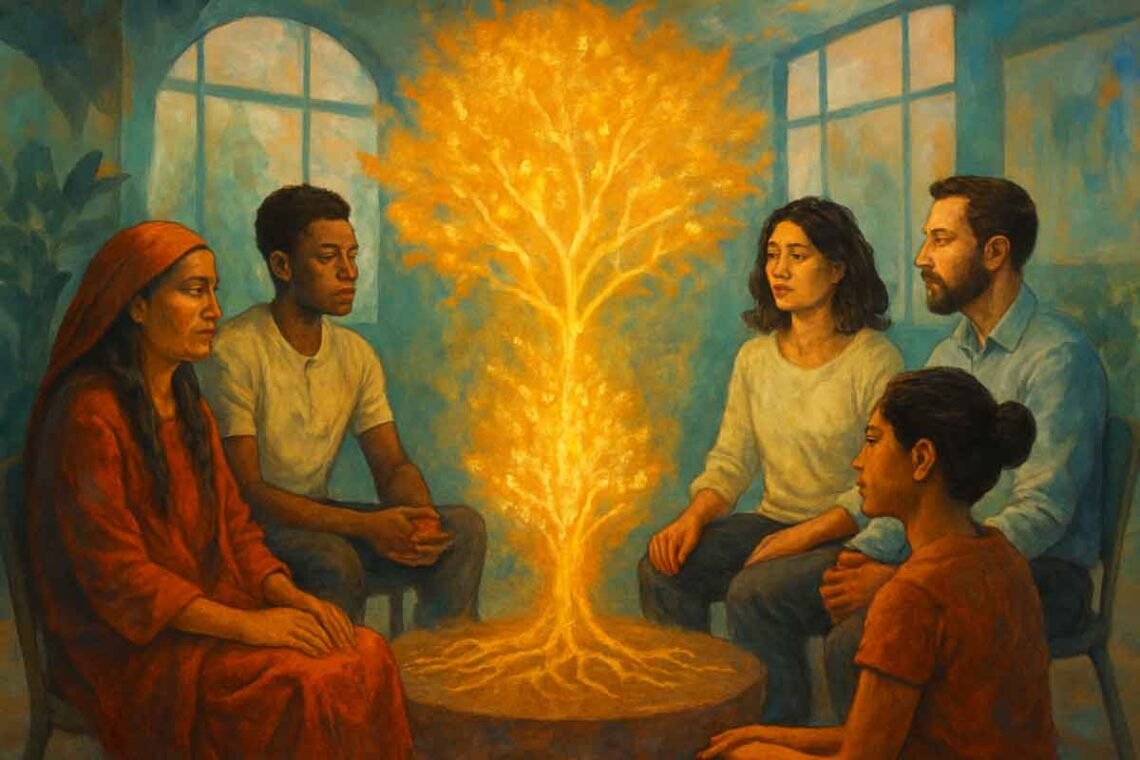
The Unseen Wound: Why Decolonizing Therapy is a Necessary Conversation
Have you ever considered that the very framework used to understand your mental health might be contributing to your distress? For many individuals, particularly those from Black, Indigenous, and People of Color (BIPOC) communities, the answer is a resounding yes. The conversation around decolonizing therapy is not merely academic; it is an urgent call to action to address a profound, yet often invisible, wound in the field of mental health.
Theories and processes of psychology have been overwhelmingly influenced by North American and European perspectives. These Western-oriented paradigms, while offering valuable tools, have often failed to promote inclusivity or recognize the inherent strengths of ethnically diverse cultures. This structural privilege can inadvertently lead to the detriment of the well-being of racially and ethnically diverse clients.
The Eurocentric Lens: A System of Individualism and Pathologizing
The dominant Eurocentric lens that guides much of modern therapeutic practice is fundamentally rooted in individualism. This approach often centers the individual as the sole unit of analysis and healing, overlooking the profound impact of systemic and historical forces.
When a person presents with symptoms, this individualistic model tends to pathologize their response, placing the responsibility for healing entirely on them. This fails to tell a complete and accurate story of why many people are suffering.
The system often serves only a small percentage of people, teaching the rest how to merely cope with ongoing trauma and adapt to oppression. This approach ignores the reality that forces like racism, colonialism, and systemic oppression are not just political issues—they are core mental health issues.
The Failure of Colonized Therapy for BIPOC Communities
Colonized therapy, shaped by these dominant ideologies, frequently fails BIPOC clients. One of its most significant shortcomings is the suppression of a client’s ability to safely show up as their full self in a session.
The pressure to conform to a mainstream, often White-centric, society forces many to engage in code-switching. While this can be a survival mechanism, it is also a painful process that leads to a sense of erasure and prevents genuine therapeutic connection.
Furthermore, mainstream therapy often neglects to acknowledge that responses like dissociation, which can be a common self-preservation response to the trauma of colonization, are rooted in oppression. Instead, these responses are often treated as purely individual pathologies.
Reclaiming What Was Stolen: The Meaning of Decolonization
To truly understand the movement, one must separate the concept of decolonization from the practice of therapy. Decolonization, in its original and most profound sense, means to “repatriate land and life”—to return what was stolen to the rightful owners.
When applied to the mental health field, decolonizing therapy means reclaiming the original ways of healing, wisdom, and traditions practiced by Indigenous and displaced communities. It is a demand to decenter European ideals of wellness and mental health, which have historically marginalized other forms of knowledge.
This is not about discarding all Western practices, but about broadening the scope to include and honor diverse, culturally rooted care. It is a process of emotional decolonization, which involves unlearning beliefs and standards that have gone unquestioned for too long.
Shifting from Individual to Collective Healing
A decolonized approach fundamentally shifts the focus from individual survival to collective thriving. It acknowledges that the wounds of colonialism are multi-generational and that healing must therefore be a collective process.
This perspective recognizes that separation—from land, from ancestry, and from community—is a root cause of suffering. Therefore, wellness plans must reflect this interconnectedness.
The goal is to move beyond simply helping people cope with trauma and oppression. Instead, it aims to co-create new pathways for wellness that are not dependent on the very systems that keep people sick and tired.
Practical Steps for a Decolonized Practice
For practitioners, engaging in this work requires a commitment to critical consciousness and action. It involves more than just cultural competence; it demands a structural shift in practice.
One practical step is to “decolonize your referral list.” Clinicians are urged to familiarize themselves with and partner with grassroots organizations and community healers who are connected to the lineage and responsive to the needs of their clients’ communities.
It also means being prepared to hold space for the political realities that impact a client’s mental health. A therapist must be able to have a nuanced conversation about global or community issues without a blank face, recognizing that external stressors are integral to the client’s experience.
The Path to Liberation: A Larger Effort
Ultimately, the movement to decolonize mental health is one part of a much larger effort toward liberation. It is a deeply intimate process that starts with the individual, leading to shifts in collective consciousness that contribute to structural and systemic change.
By bravely and earnestly confronting the multi-generational impact of colonization, we can begin to uncover and tend to the real roots of suffering. Decolonizing therapy is a powerful and essential step toward a world where true healing and liberation are accessible to all. It is a process of reclaiming not just our healing ways, but our culture, our histories, and our innate joy.

- I’m Aliza, the founder of Urdu Novel Bank. I built this site because I love Urdu stories and want everyone to enjoy them. As an Urdu literature lover, I choose the best novels to share with you. Here you can find free Urdu novels in romance, mystery, thriller and more. Read online or download PDF chapters without signing up. I update the library often so you’ll always have new tales to explore. My goal is to bring Urdu literature to readers around the world.