
Noise pollution can significantly impact the comfort and tranquility of your home, especially when it infiltrates through windows. This is often emphasized by Gresham Property Management, who suggests that while replacing windows with soundproof models is an effective solution, it’s often a costly and extensive undertaking. Fortunately, there are numerous practical and affordable methods to enhance your windows’ sound insulation without the need for a full replacement. This article explores various strategies, from simple DIY fixes to more robust installations, designed to reduce unwanted noise and restore peace to your living space.
Weatherstripping and Sealing Gaps
Weatherstripping and sealing gaps are fundamental first steps in soundproofing windows without replacement because they address the primary pathways for noise infiltration: air leaks. Sound travels through air, so any unsealed crack or gap around a window frame acts as an open invitation for external noise. By creating an airtight seal, these methods effectively block sound waves, significantly reducing the amount of noise that penetrates your home. This approach is often the most cost-effective and easiest to implement, providing immediate improvements in acoustic comfort.
One of the most common entry points for noise is through gaps and cracks around the window frame. Installing weatherstripping around the sashes and sealing any visible gaps with acoustic caulk can make a substantial difference [1]. This not only helps with sound reduction but also improves energy efficiency by preventing drafts. For larger gaps, expanding foam can be used, but ensure it is suitable for windows to avoid damage to the frame.
Window Inserts and Secondary Glazing
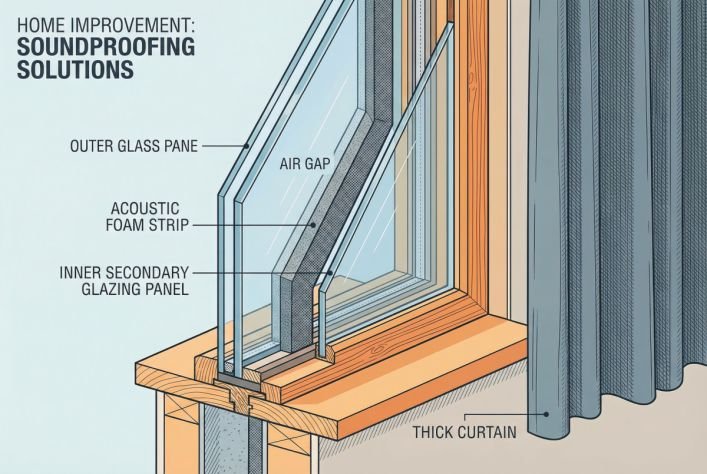
Window inserts and secondary glazing offer a highly effective solution for soundproofing existing windows by adding an additional layer of material that creates an air gap, a crucial element in noise reduction. This extra barrier significantly increases the window’s mass and improves its ability to block sound waves, without altering the original window structure. These solutions are particularly beneficial for older homes or properties where window replacement is not feasible due to historical preservation requirements or budget constraints, providing a noticeable improvement in acoustic performance.
Window inserts, often made from acrylic or plexiglass, fit snugly into the existing window frame, creating an additional air pocket that helps to dampen sound [2]. These can be custom-made or DIY projects. Secondary glazing involves installing a second, independent window frame on the inside of your existing window. This creates a larger air gap, which is highly effective at blocking a wide range of noise frequencies. Magnetic secondary glazing is a popular option for its ease of installation and removal.
Soundproof Curtains and Blinds
Soundproof curtains and blinds provide a flexible and aesthetically pleasing option for reducing noise transmission through windows, acting as a soft barrier that absorbs and blocks sound waves. While they may not offer the same level of sound reduction as structural modifications, their dense, multi-layered fabric construction helps to dampen echoes within a room and mitigate external noise. These treatments are an excellent choice for renters or those seeking a less permanent solution, offering both acoustic benefits and enhanced privacy and light control.
Heavy, multi-layered curtains made from dense, sound-absorbing materials can significantly reduce noise. Look for curtains specifically marketed as “soundproof” or “noise-reducing,” as they are designed with thicker fabrics and often include an insulating layer. Similarly, cellular or honeycomb blinds can offer some sound dampening due to their unique structure that traps air. Combining these with other methods can yield even better results.
Outdoor Landscaping and Barriers
Outdoor landscaping and physical barriers can play a supportive role in soundproofing efforts by disrupting and absorbing sound waves before they even reach your windows. While not a direct window modification, strategically placed elements like dense shrubbery, fences, or even small berms can act as natural sound diffusers and absorbers. This approach is particularly effective for mitigating traffic noise or other distant ambient sounds, contributing to an overall quieter environment around your home and reducing the initial intensity of noise hitting your windows.
While not directly applied to the window, external elements can help. Planting dense shrubs or trees near your windows can absorb some sound waves. Erecting a solid fence or wall can also act as a barrier, deflecting or absorbing noise before it reaches your home. These methods are more effective for lower-frequency sounds and can complement internal soundproofing efforts.
Comparison of Soundproofing Methods
| Method | Effectiveness | Cost | DIY Difficulty | Pros | Cons |
|---|---|---|---|---|---|
| Weatherstripping & Sealing | Moderate | Low | Easy | Affordable, improves energy efficiency | Limited for severe noise, needs regular maintenance |
| Window Inserts | High | Medium | Medium | Significant noise reduction, removable | Can be bulky, may affect window operation |
| Secondary Glazing | Very High | High | Medium to Hard | Excellent noise reduction, permanent solution | More expensive, requires professional installation for best results |
| Soundproof Curtains | Moderate | Low to Medium | Easy | Aesthetic, flexible, easy to install | Less effective for high-frequency noise, blocks light |
| Outdoor Landscaping | Low to Moderate | Medium to High | Medium | Natural barrier, aesthetic improvement | Long-term results, less effective for direct noise |
Frequently Asked Questions
Can I soundproof my windows completely without replacing them?
Achieving 100% soundproofing without replacement is challenging, as some noise will always find a way through. However, combining several methods like window inserts, weatherstripping, and soundproof curtains can significantly reduce noise by 75-95% [3].
Are DIY window soundproofing methods effective?
Yes, many DIY methods, such as installing weatherstripping, using acoustic caulk, or creating simple plexiglass inserts, can be quite effective for reducing moderate noise levels. Their effectiveness depends on the quality of installation and the severity of the noise problem.
How much does it cost to soundproof windows without replacing them?
The cost varies widely depending on the methods chosen. Simple solutions like weatherstripping and caulk can cost under $50, while custom window inserts or secondary glazing can range from a few hundred to over a thousand dollars per window.
Will soundproof curtains block all noise?
Soundproof curtains are effective at absorbing some sound waves and reducing echoes within a room, but they typically do not block all external noise. They are best used as part of a multi-layered approach to sound reduction.
What is the best material for DIY window soundproofing?
Plexiglass or acrylic sheets are excellent for DIY window inserts due to their density and ease of cutting. For sealing gaps, acoustic caulk is highly recommended for its flexibility and sound-blocking properties.
Conclusion
Soundproofing your windows without replacing them is a feasible and often cost-effective endeavor that can dramatically improve the peace and quiet of your home. By understanding the principles of sound transmission and strategically applying a combination of methods—from sealing air leaks with weatherstripping and caulk to installing window inserts, secondary glazing, or heavy soundproof curtains—you can create a more serene indoor environment. Each approach offers varying degrees of effectiveness and investment, allowing homeowners to tailor solutions to their specific needs and budget. With careful planning and execution, you can significantly reduce unwanted noise, transforming your living space into a tranquil sanctuary.
References
- New York Soundproofing: How to Soundproof Windows without Replacing Them
- The Soundproof Windows: The Ultimate Guide: How to Soundproof Windows
- Soundproof Windows, Inc.: Eliminate Your Noise Problem

- I’m Aliza, the founder of Urdu Novel Bank. I built this site because I love Urdu stories and want everyone to enjoy them. As an Urdu literature lover, I choose the best novels to share with you. Here you can find free Urdu novels in romance, mystery, thriller and more. Read online or download PDF chapters without signing up. I update the library often so you’ll always have new tales to explore. My goal is to bring Urdu literature to readers around the world.
Latest Novels
- July 29, 2026Home ImprovementCabinet Painting Cost Per Linear Foot: Complete Pricing Guide for Kitchens
- May 4, 2026Urdu Romantic NovelsHow Incorporating Moroccan Tile Enhances Your Home Décor
- April 29, 2026Home ImprovementHow Finding a Reliable Plumber Near Me Transforms Plumbing Emergencies
- April 27, 2026Home ImprovementHow to Plan a Layered Lighting Scheme for Your Bedroom Renovation