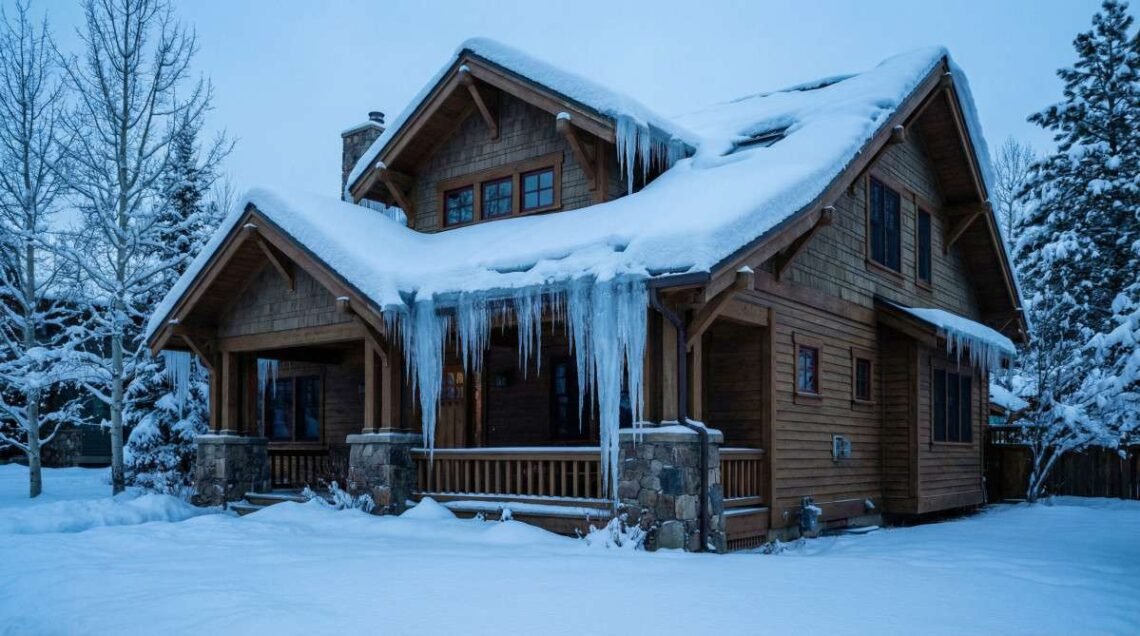
Preventing ice dams on a roof requires maintaining a cold roof surface by eliminating heat transfer from the living space to the attic. This is achieved through a combination of professional-grade air sealing, high-performance insulation, and balanced attic ventilation. By keeping the roof temperature consistent with the outdoor air, homeowners can stop the cycle of snow melting and refreezing that creates damaging ice ridges at the eaves says Guerin Property Services professionals.
Understanding the Mechanics of Ice Dam Formation
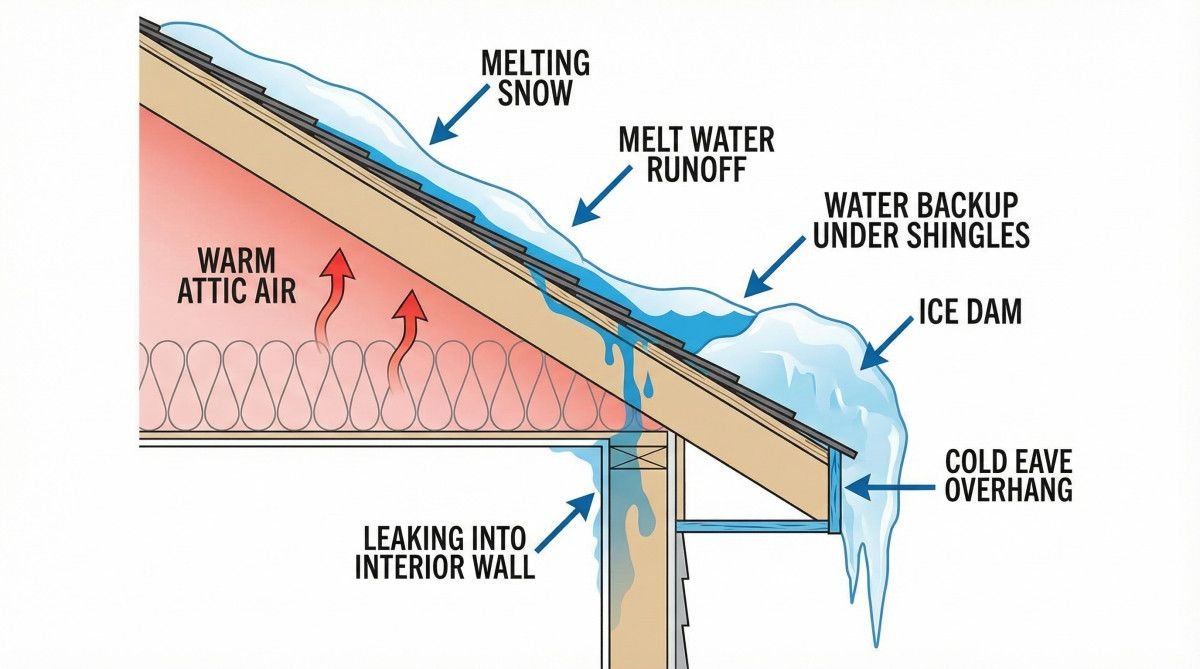
Ice dams form when a temperature imbalance occurs across the roof surface. The upper sections of the roof, warmed by heat escaping from the interior of the home, cause the bottom layer of accumulated snow to melt. This meltwater flows down the slope until it reaches the eaves and gutters, which are not positioned over the heated living space and remain at sub-freezing temperatures. Upon reaching these cold perimeters, the water refreezes, gradually building a thick ridge of ice that traps subsequent meltwater behind it. This trapped water can then back up under shingles, leading to significant structural damage, mold growth, and interior leaks.
The primary drivers of this process include insufficient thermal resistance in the attic, air bypasses that allow warm air to migrate upward, and inadequate ventilation that fails to flush out residual heat.
The Critical Role of Attic Air Sealing
Air sealing is often the most overlooked yet vital step in preventing ice dams. Warm air is significantly more efficient at transferring heat than conduction through solid materials. In many homes, small gaps around plumbing stacks, electrical penetrations, recessed lighting fixtures, and attic hatches act as chimneys, funneling warm, moist air directly against the underside of the roof deck. These “air bypasses” can raise the temperature of the roof sheathing even if thick layers of insulation are present, as the air simply moves through or around the insulating material.
Professional air sealing involves using high-temperature caulk, expanding foam, and weatherstripping to close these gaps. Particular attention must be paid to the top plates of interior walls and the perimeter of the chimney. By creating a continuous air barrier between the conditioned living space and the unconditioned attic, the primary source of heat for ice dam formation is removed. This process not only protects the roof but also improves the overall energy efficiency of the home by reducing the load on the heating system.
Optimizing Attic Insulation Levels
Once the attic is airtight, the next priority is to install sufficient insulation to provide high thermal resistance. Insulation slows the conduction of heat from the ceiling of the home to the attic space. The effectiveness of insulation is measured by its R-value, with higher numbers indicating better resistance to heat flow. For most cold-climate regions, the Department of Energy recommends an attic insulation level of R-49 to R-60, which typically equates to 16 to 20 inches of blown-in cellulose or fiberglass.
It is essential that the insulation is installed uniformly across the entire attic floor. Gaps or “holidays” in the insulation layer create thermal bridges where heat can escape and warm specific sections of the roof. Furthermore, insulation must be kept away from the eaves to allow for proper airflow, which is typically managed by installing baffles or wind washes. These components ensure that the insulation does not block the intake vents while still providing coverage over the top plate of the exterior walls.
Implementing Balanced Attic Ventilation
Ventilation serves as the final safeguard by removing any residual heat that manages to bypass the air sealing and insulation layers. A balanced ventilation system uses a combination of intake vents, usually located at the soffits or eaves, and exhaust vents, located at the ridge or high on the roof gables. This system relies on the natural stack effect and wind pressure to create a continuous flow of cool outdoor air through the attic space.
The goal of ventilation is to keep the attic temperature within a few degrees of the outdoor temperature. If the attic remains cold, the roof sheathing will not reach the melting point of snow. It is a common misconception that more ventilation can compensate for poor insulation; however, ventilation is most effective when used as a supplement to a well-sealed and insulated attic. Without proper air sealing, excessive ventilation can actually pull more warm air from the house into the attic, potentially worsening the problem.
Comparison of Ice Dam Prevention Methods
While long-term structural improvements are the most effective way to prevent ice dams, various methods exist with differing levels of efficacy and cost. The following table compares common approaches based on their impact on the root cause of ice damming.
| Prevention Method | Primary Function | Long-Term Effectiveness | Impact on Energy Bills |
|---|---|---|---|
| Air Sealing and Insulation | Eliminates heat source by blocking air leaks and conduction. | High | Reduces costs |
| Balanced Ventilation | Flushes out residual heat to keep roof sheathing cold. | High (when combined with insulation) | Neutral |
| Heat Cables (De-icing Tapes) | Melts channels through existing ice to allow drainage. | Low (treats symptoms only) | Increases costs |
| Snow Raking | Manually removes the fuel for ice dams (snow). | Medium (requires frequent labor) | Neutral |
| Waterproof Underlayment | Provides a secondary barrier against water infiltration. | Medium (prevents leaks, not dams) | Neutral |
Secondary Preventative Measures and Maintenance
In addition to structural attic improvements, certain maintenance tasks can provide an extra layer of protection. Removing heavy snow accumulation from the roof using a long-handled roof rake can prevent the volume of meltwater needed to form a dam. This should be done carefully from the ground to avoid damaging shingles or risking personal safety. It is not necessary to remove all the snow; clearing the first three to six feet from the eaves is often sufficient to disrupt the damming process.
Another secondary measure is the installation of a self-adhering waterproof underlayment, often called “ice and water shield,” during roof replacement. While this does not prevent the ice dam itself, it creates a watertight seal that prevents backed-up water from entering the home. This is a critical code requirement in many cold-climate jurisdictions and serves as a vital “last line of defense” for the building envelope.
Frequently Asked Questions
How do I know if I have an ice dam?
The most visible signs of an ice dam are thick ridges of ice along the eaves and large icicles forming behind the gutters rather than on the outer edge. You may also notice water stains on interior ceilings or walls, especially near the exterior perimeter of the home. In some cases, you might see ice “stocking” or moisture buildup on the underside of the roof sheathing in the attic.
Will new gutters prevent ice dams from forming?
No, gutters do not cause or prevent ice dams. Ice dams form on the roof surface above the eaves due to temperature differences in the attic. While clogged gutters can exacerbate the problem by trapping more ice, even a home without gutters can experience ice damming if the attic is not properly insulated and ventilated. The solution lies in attic thermal management, not gutter replacement.
Are heat cables a good permanent solution for ice dams?
Heat cables are generally considered a temporary fix rather than a permanent solution. They work by melting small channels through the ice to allow water to drain, but they do not address the underlying cause of heat loss from the attic. Additionally, they consume significant electricity and can sometimes cause ice to form higher up the roof if not installed correctly. They are best used in specific problem areas where structural fixes are not feasible.
How much insulation do I need to stop ice dams?
The amount of insulation required depends on your local climate zone, but most experts recommend reaching a minimum of R-49. This typically requires about 15 to 20 inches of insulation, depending on the material used. However, insulation alone may not be enough if the attic has significant air leaks. Air sealing must be performed before adding insulation to ensure the best results.
Can I prevent ice dams by just shoveling my roof?
Shoveling or raking snow off the roof can prevent ice dams by removing the source of the meltwater, but it is a labor-intensive and temporary measure. It must be done after every significant snowfall to be effective. Furthermore, walking on a snowy roof is extremely dangerous and can damage the shingles. Using a roof rake from the ground is a safer alternative for temporary relief.
Does attic ventilation really work in the winter?
Yes, attic ventilation is crucial in the winter. Its primary purpose during cold months is to keep the roof deck at the same temperature as the outdoor air. This prevents the snow on the roof from melting due to heat escaping from the house. Proper ventilation also helps exhaust any moisture that migrates into the attic, preventing frost buildup and wood rot.

- I’m Aliza, the founder of Urdu Novel Bank. I built this site because I love Urdu stories and want everyone to enjoy them. As an Urdu literature lover, I choose the best novels to share with you. Here you can find free Urdu novels in romance, mystery, thriller and more. Read online or download PDF chapters without signing up. I update the library often so you’ll always have new tales to explore. My goal is to bring Urdu literature to readers around the world.
Latest Novels
- July 29, 2026Home ImprovementCabinet Painting Cost Per Linear Foot: Complete Pricing Guide for Kitchens
- May 4, 2026Urdu Romantic NovelsHow Incorporating Moroccan Tile Enhances Your Home Décor
- April 29, 2026Home ImprovementHow Finding a Reliable Plumber Near Me Transforms Plumbing Emergencies
- April 27, 2026Home ImprovementHow to Plan a Layered Lighting Scheme for Your Bedroom Renovation