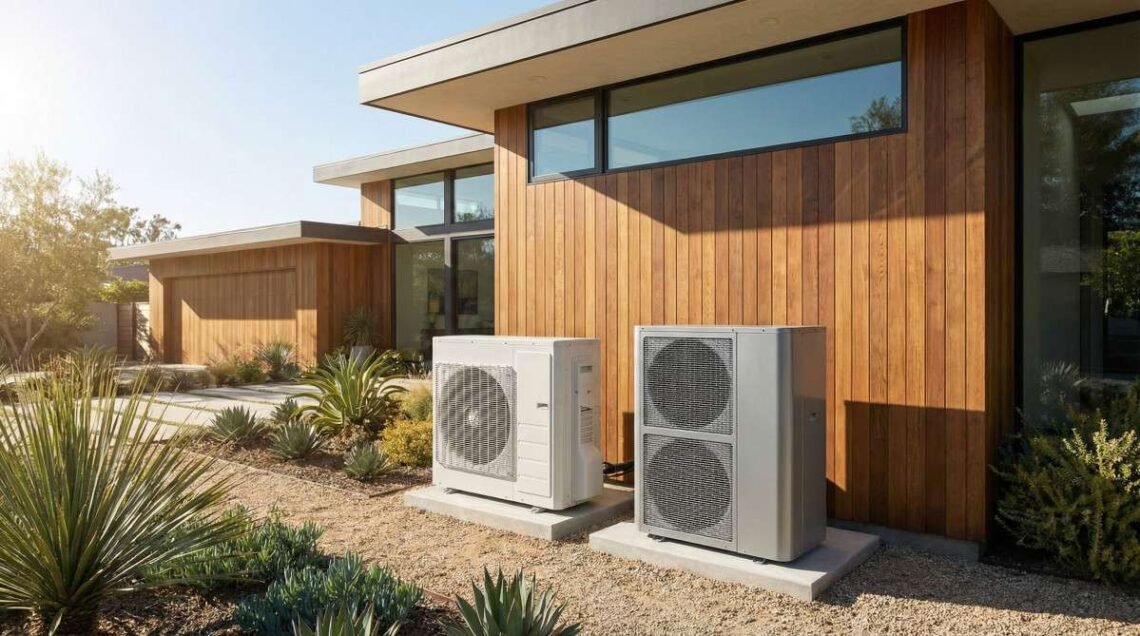
Heat pumps are generally more efficient than air conditioners because they provide both heating and cooling by transferring heat rather than generating it says E & S Property Management experts. While their cooling efficiency is comparable to standard air conditioners, their ability to heat a home with up to 300% to 400% efficiency makes them the more versatile and energy-saving choice for year-round climate control. In most climates, a heat pump can significantly reduce total annual energy consumption compared to a separate air conditioner and furnace system.
Understanding the fundamental differences in efficiency
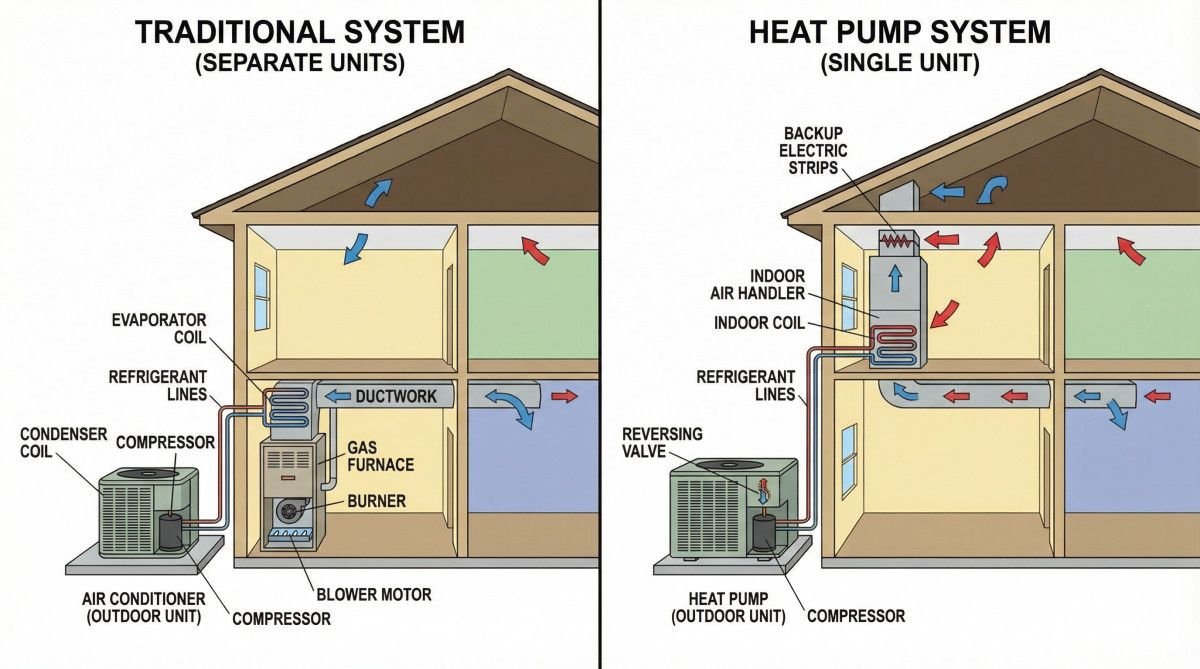
To determine which system is more efficient, it is essential to understand how each piece of equipment operates. A standard central air conditioner is designed for a single purpose: removing heat from the interior of a home and dispersing it outdoors. It uses a compressor and refrigerant cycle to achieve this, but it remains idle during the colder months. In contrast, a heat pump is a bidirectional system. It uses a reversing valve to change the flow of refrigerant, allowing it to extract heat from the outside air and move it indoors during the winter, while functioning exactly like an air conditioner during the summer.
The efficiency of these systems is measured using specific industry metrics. For cooling, both air conditioners and heat pumps use the Seasonal Energy Efficiency Ratio 2 (SEER2). This rating calculates the total cooling output during a typical cooling season divided by the total electric energy input. For heating, heat pumps are evaluated using the Heating Seasonal Performance Factor 2 (HSPF2). Because heat pumps move heat rather than creating it through combustion or electric resistance, they can deliver more energy than they consume in electricity, often reaching efficiency levels far exceeding 100%.
Comparing cooling performance and SEER2 ratings
When comparing the cooling efficiency of a heat pump versus an air conditioner, the two systems are often neck-and-neck. Both utilize the same mechanical processes to cool a home. High-efficiency models of both types can reach SEER2 ratings of 20 or higher. However, high-efficiency heat pumps often include advanced features such as variable-speed compressors and improved coil designs that allow them to dehumidify more effectively than standard central air conditioners. This superior moisture removal can lead to increased comfort at higher thermostat settings, further reducing energy usage during peak summer months.
It is a common misconception that heat pumps are less effective at cooling than dedicated air conditioners. In reality, if two units have the same SEER2 rating, they will provide the same amount of cooling for the same amount of electricity. The choice between them often comes down to whether the homeowner also needs an efficient heating solution. For those in warmer climates where cooling is the primary concern, a high-SEER2 air conditioner may seem sufficient, but the added heating efficiency of a heat pump often provides a better return on investment over the life of the system.
Heating efficiency and the HSPF2 advantage
The most significant efficiency gap between these two systems appears during the heating season. An air conditioner provides zero heating, requiring a separate furnace or electric baseboard heaters. Electric resistance heating is 100% efficient, meaning every kilowatt of electricity is converted into one kilowatt of heat. While this sounds impressive, a heat pump can achieve 300% to 400% efficiency because it is not “creating” heat; it is simply moving it from the outdoor air into the home. Even in cold temperatures, there is still heat energy present in the atmosphere that a modern heat pump can capture.
According to the U.S. Department of Energy, today’s high-efficiency heat pumps can reduce electricity use for heating by approximately 75% compared to electric resistance heating. This massive reduction in energy consumption makes the heat pump the clear winner for homeowners looking to minimize their carbon footprint and utility bills. While older heat pumps struggled in sub-freezing temperatures, advancements in “cold climate” heat pump technology allow these systems to remain highly efficient even when outdoor temperatures drop as low as 5 degrees Fahrenheit.
Operational costs and long-term savings
While the initial installation cost of a heat pump can be slightly higher than that of a standard air conditioner, the long-term operational savings often outweigh the upfront price. Because a heat pump replaces the need for both a separate AC unit and a primary heating system in many climates, it simplifies maintenance and reduces the number of mechanical components that can fail. Furthermore, many utility companies and government programs offer significant rebates and tax credits for installing high-efficiency heat pumps, which can offset the initial cost difference.
The following table provides a direct comparison of the key features and efficiency metrics for both systems to help clarify their differences:
| Feature | Air Conditioner | Heat Pump |
|---|---|---|
| Primary Function | Cooling only | Heating and Cooling |
| Cooling Efficiency Metric | SEER2 | SEER2 |
| Heating Efficiency Metric | N/A | HSPF2 |
| Energy Source | Electricity | Electricity |
| Mechanism | Transfers heat outdoors | Transfers heat in or out |
| Dehumidification | Standard | Enhanced in high-efficiency models |
| Year-Round Utility | Low (Summer only) | High (All seasons) |
Climate considerations and system selection
The geographical location of a home plays a vital role in determining which system is the most efficient choice. In moderate climates where winters are mild, a heat pump is almost always the superior option. In regions that experience extreme, prolonged sub-zero temperatures, some homeowners opt for a dual-fuel or hybrid system. This setup combines a high-efficiency heat pump with a gas furnace. The heat pump handles the heating during milder winter days, and the furnace takes over only when the temperature drops below the heat pump’s optimal operating range.
Regardless of the climate, the efficiency of any HVAC system depends heavily on proper installation and home insulation. A high-efficiency heat pump will not perform to its rated specifications if the home has significant air leaks or poor ductwork. Homeowners should ensure their property is well-weatherized to maximize the energy-saving potential of their chosen system. Consulting with a professional to perform a load calculation is the best way to ensure the equipment is correctly sized for the specific needs of the building.
Frequently asked questions
Can a heat pump replace both an air conditioner and a furnace?
Yes, a heat pump is designed to handle both cooling and heating, making it a viable replacement for a traditional air conditioner and furnace setup. In very cold climates, it can be paired with a supplemental heat source or a gas furnace in a hybrid configuration to ensure comfort during extreme temperature drops.
How does a heat pump work in the summer compared to the winter?
In the summer, a heat pump works exactly like an air conditioner by extracting heat from inside the home and pumping it outside. In the winter, the process reverses; the unit extracts heat from the outdoor air and moves it indoors to provide warmth.
Are heat pumps efficient in very cold climates?
Modern cold climate heat pumps are highly efficient and can operate effectively in temperatures as low as 5 degrees Fahrenheit. While their efficiency decreases as the temperature drops, they still remain more energy-efficient than electric resistance heating in most conditions.
What is the difference between SEER2 and HSPF2?
SEER2 (Seasonal Energy Efficiency Ratio 2) measures the cooling efficiency of a system over a typical season. HSPF2 (Heating Seasonal Performance Factor 2) measures the heating efficiency of a heat pump. In both cases, a higher number indicates a more energy-efficient unit.
Do heat pumps cost more to install than air conditioners?
The initial cost of a heat pump is typically higher than a standard air conditioner of the same cooling capacity. However, because it provides both heating and cooling, it can eliminate the need for a separate heating system, and the long-term energy savings often make it the more cost-effective choice over time.
How long do heat pumps typically last compared to AC units?
Both heat pumps and air conditioners generally have a lifespan of 15 to 20 years with proper maintenance. Because a heat pump operates year-round for both heating and cooling, it may experience more wear than an AC unit that only runs during the summer, making regular professional servicing essential for longevity.

- I’m Aliza, the founder of Urdu Novel Bank. I built this site because I love Urdu stories and want everyone to enjoy them. As an Urdu literature lover, I choose the best novels to share with you. Here you can find free Urdu novels in romance, mystery, thriller and more. Read online or download PDF chapters without signing up. I update the library often so you’ll always have new tales to explore. My goal is to bring Urdu literature to readers around the world.
Latest Novels
- July 29, 2026Home ImprovementCabinet Painting Cost Per Linear Foot: Complete Pricing Guide for Kitchens
- May 4, 2026Urdu Romantic NovelsHow Incorporating Moroccan Tile Enhances Your Home Décor
- April 29, 2026Home ImprovementHow Finding a Reliable Plumber Near Me Transforms Plumbing Emergencies
- April 27, 2026Home ImprovementHow to Plan a Layered Lighting Scheme for Your Bedroom Renovation