
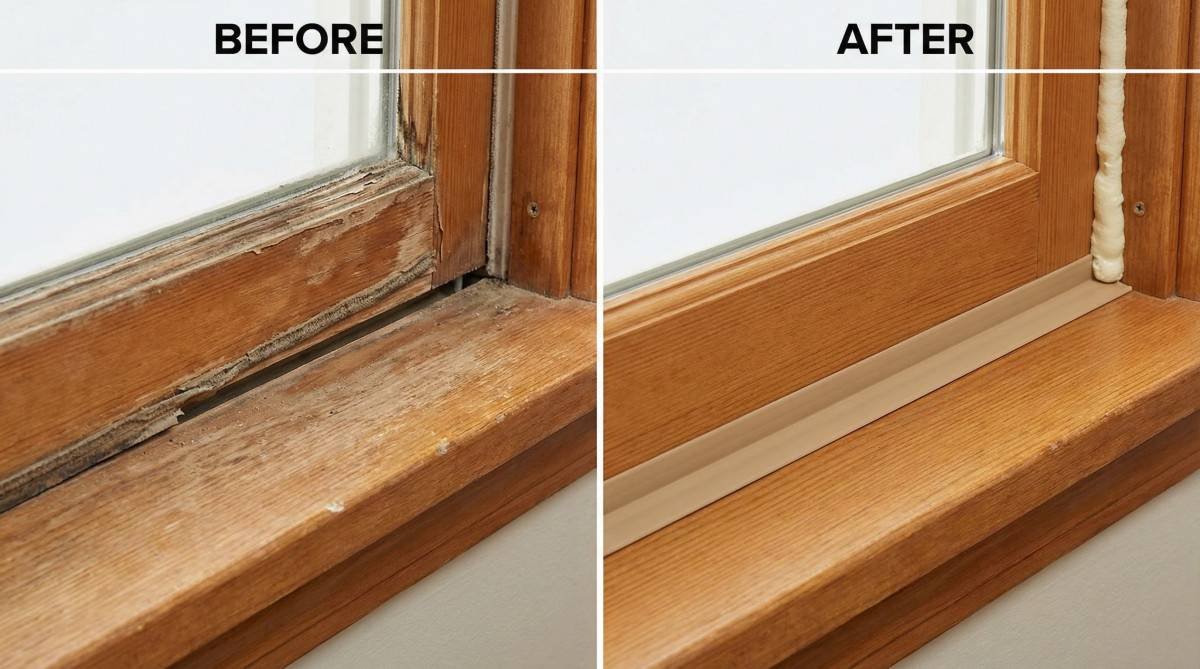
To stop drafts coming through windows, you must first identify the specific source of the air leak and then apply the appropriate sealing material based on whether the window component is stationary or operable. For moving parts like sashes, installing weatherstripping such as V-strips or foam tape creates a tight seal, while stationary joints between the window frame and the wall should be filled with high-quality caulk. For a temporary seasonal solution, applying window insulation film across the entire pane can effectively block drafts and improve thermal performance during colder months says Blue Stem Property Management solutions.
Identifying the source of window drafts
Before applying any sealant or insulation, it is essential to pinpoint exactly where the air is entering your home. Drafts often occur at the meeting rails of double-hung windows, along the edges of the sashes, or at the junction where the window frame meets the interior wall. A common method for detecting these leaks involves using a lit incense stick or a candle; by slowly moving the flame around the perimeter of the window, you can observe any flickering or smoke movement that indicates a breach in the seal. Alternatively, on a windy day, you may be able to feel the airflow simply by running your hand along the frame. Identifying these specific points ensures that your repair efforts are targeted and effective, preventing the unnecessary application of materials to areas that are already airtight.
Visual inspections are also highly effective for spotting potential draft sources. Look for visible gaps in the caulking, cracked glass, or weatherstripping that has become compressed, brittle, or detached over time. In some cases, daylight may even be visible through the gaps between the sash and the frame. Condensation between double-pane glass is another indicator that the factory seal has failed, which often coincides with increased air infiltration. By conducting a thorough assessment, you can determine if the issue requires a simple DIY fix or if the window has reached the end of its functional lifespan and necessitates professional repair or replacement.
Applying weatherstripping to operable sashes
Weatherstripping is the primary defense against drafts for the moving parts of a window. Because these components must slide or swing open, the material used must be flexible enough to allow movement while remaining durable enough to withstand repeated friction. There are several types of weatherstripping available, each suited for different window styles and gap sizes. For example, tension seals, also known as V-strips, are excellent for the tracks of double-hung or sliding windows because they fold into a V-shape that presses against the sides of the channel to block air. Foam tape is another popular option due to its ease of installation; it features a self-adhesive backing and is ideal for the top and bottom of window sashes where they meet the frame.
When installing weatherstripping, it is crucial to clean the surface thoroughly with soap and water or a mild solvent to ensure proper adhesion. Any old, failing material should be completely removed using a putty knife. Measure the length of the area to be sealed and cut the weatherstripping to size, ensuring a snug fit at the corners. For felt weatherstripping, which is inexpensive but less durable, it is often necessary to staple or tack it into place to prevent it from shifting. High-quality EPDM rubber or silicone weatherstripping offers superior longevity and resistance to temperature fluctuations, making it a more cost-effective choice in the long run despite a slightly higher initial price point.
Sealing stationary joints with caulk
While weatherstripping handles the moving parts, caulk is the standard material for sealing stationary joints where the window frame meets the wall or where different parts of the frame are joined together. Air leaks in these areas are often caused by the natural expansion and contraction of building materials over time, which can lead to cracks in the original sealant. For interior applications, a high-quality latex or silicone-latex caulk is often preferred because it is easy to apply, can be smoothed with a damp finger, and is paintable to match your interior decor. For exterior joints, pure silicone caulk is generally recommended due to its exceptional durability and resistance to moisture and UV radiation.
To achieve a professional-grade seal, hold the caulking gun at a 45-degree angle and apply a continuous bead of material along the joint. It is important to force the caulk deep into the crack rather than just letting it sit on the surface. If the gap is wider than one-quarter inch, you should use a foam backer rod to fill the majority of the space before applying the caulk on top. This prevents the caulk from sinking and ensures a more stable seal. Proper application not only stops drafts but also prevents moisture from entering the wall cavity, which can lead to structural damage or mold growth over time. The Department of Energy recommends performing these tasks when the outdoor temperature is above 45 degrees Fahrenheit to ensure the material cures correctly.
Using window insulation film for seasonal protection
For homeowners looking for an affordable and temporary way to stop drafts, window insulation film is an excellent seasonal solution. This clear plastic shrink film is applied to the interior window frame using double-sided tape and then tightened using the heat from a standard hairdryer. Once shrunk, the film becomes nearly invisible and creates an airtight barrier that traps a layer of insulating air between the plastic and the glass. This method is particularly effective for older, single-pane windows or for windows with significant air leaks that cannot be easily addressed with caulk or weatherstripping alone. It is a low-cost intervention that can significantly improve comfort during the winter months.
The installation process for insulation film is straightforward but requires careful preparation. The window frame must be clean and dry for the tape to adhere properly. After applying the tape around the perimeter of the frame, the film is pressed onto the tape, leaving a small amount of overhang. Using a hairdryer on a high-heat setting, you then move the air across the surface of the film until all wrinkles disappear and the plastic is taut. While this film must be removed and replaced each year, its ability to reduce heat loss and block drafts makes it one of the most effective DIY energy-saving measures available for renters and homeowners alike.
Comparison of window draft-proofing methods
Choosing the right method for stopping drafts depends on the specific needs of your home, your budget, and the type of windows you have. Some methods provide a permanent fix, while others are designed for temporary use. The following table compares the most common draft-proofing techniques based on their application, durability, and relative cost.
| Method | Primary Application | Durability | Relative Cost |
|---|---|---|---|
| Weatherstripping | Operable sashes and tracks | 3 to 5 years | Low to Moderate |
| Caulking | Stationary joints and frames | 5 to 10 years | Low |
| Insulation Film | Glass panes and frames (Seasonal) | 1 season | Very Low |
| Thermal Curtains | Interior window covering | 10+ years | Moderate to High |
| Draft Stoppers | Windowsills and door bottoms | 5+ years | Low |
As shown in the table, caulking and weatherstripping offer the best balance of durability and cost for long-term draft prevention. Thermal curtains and draft stoppers provide additional layers of protection but do not address the underlying air leak itself. For the best results, many energy efficiency experts recommend a multi-layered approach, such as combining weatherstripping with thermal curtains to maximize both airtightness and thermal resistance.
Additional strategies for draft reduction
Beyond the primary methods of sealing and insulating, there are several other strategies you can employ to minimize drafts. Ensuring that your window locks are fully engaged is a simple yet often overlooked step. Most window locks are designed to pull the sashes together when closed, which compresses the existing weatherstripping and creates a tighter seal. If your locks are loose or misaligned, adjusting or replacing them can make a noticeable difference in the amount of air entering your home. Additionally, for those with older double-hung windows, installing or repairing storm windows can provide an extra layer of protection that significantly reduces air infiltration and improves overall energy efficiency.
Thermal curtains and cellular shades are also effective tools for managing drafts. While they do not stop the air from leaking through the window itself, they create a barrier that prevents the cold air from circulating into the rest of the room. Cellular shades, in particular, are designed with honeycomb-shaped pockets that trap air, providing a high level of thermal resistance. When combined with proper sealing techniques, these window treatments can help maintain a consistent indoor temperature and reduce the load on your heating and cooling system. For more information on energy-efficient window treatments, you can consult the resources provided by the Department of Energy.
Frequently asked questions about window drafts
How can I tell if my windows are drafty without professional tools?
You can easily detect drafts using simple household items. One of the most effective methods is the smoke test: light an incense stick or a candle and hold it near the edges of the window on a windy day. If the smoke or flame wavers or blows inward, you have found an air leak. You can also use your hand to feel for cool air movement around the frame or look for visible gaps where light shines through. Another sign is the presence of condensation or frost on the interior glass, which often indicates that cold air is meeting the warm, humid air inside your home.
Is it better to use caulk or weatherstripping to stop drafts?
The choice between caulk and weatherstripping depends entirely on the part of the window you are sealing. Caulk should be used for stationary joints, such as the gap between the window frame and the wall or where the frame pieces meet. Weatherstripping is designed for the moving parts of the window, such as the sashes that slide up and down or swing open. Using caulk on operable parts would prevent the window from opening, while weatherstripping on stationary joints would not provide a permanent, airtight seal. For a comprehensive solution, most windows require a combination of both materials.
Can I use tape to temporarily stop window drafts?
While you can use specialized painter’s tape or weather-sealing tape to temporarily block drafts, it is not a recommended long-term solution. Standard adhesive tapes can leave a sticky residue or damage the paint and finish on your window frames when removed. If you need a temporary fix, window insulation film is a much better option as it provides a more effective seal and is designed to be removed without damaging the surfaces. If you must use tape, ensure it is specifically rated for window sealing and intended for temporary use during extreme weather events.
Do thermal curtains actually stop drafts from coming through?
Thermal curtains do not technically stop a draft because they do not seal the air leak at its source. However, they are very effective at mitigating the impact of a draft. The heavy, multi-layered fabric acts as a buffer, trapping the cold air behind the curtain and preventing it from cooling down the rest of the room. To be most effective, thermal curtains should be hung as close to the window as possible and should overlap the frame on all sides. While they are a great secondary defense, they should be used in conjunction with primary sealing methods like caulking and weatherstripping.
When should I consider replacing my windows instead of repairing them?
Repairing drafts is often a cost-effective solution, but there are times when replacement is necessary. If the window frames are showing signs of rot, significant warping, or structural damage, sealing them will only provide a temporary fix. Similarly, if you have old single-pane windows, the energy savings from upgrading to modern double or triple-pane windows with low-emissivity coatings will far outweigh the cost of ongoing repairs. If you find that you are constantly reapplying sealants and your energy bills remain high, it may be time to consult a professional about installing energy-efficient replacement windows.
How much money can I save by sealing my drafty windows?
According to industry standards and data from the Department of Energy, sealing air leaks around windows and doors can save a homeowner between 10% and 20% on their annual heating and cooling costs. The exact amount depends on the severity of the leaks, the local climate, and the overall insulation levels of the home. Beyond the financial savings, stopping drafts significantly improves the comfort of your living space by eliminating cold spots and reducing the amount of dust and outdoor allergens that can enter your home through gaps in the window frames.

- I’m Aliza, the founder of Urdu Novel Bank. I built this site because I love Urdu stories and want everyone to enjoy them. As an Urdu literature lover, I choose the best novels to share with you. Here you can find free Urdu novels in romance, mystery, thriller and more. Read online or download PDF chapters without signing up. I update the library often so you’ll always have new tales to explore. My goal is to bring Urdu literature to readers around the world.
Latest Novels
- July 29, 2026Home ImprovementCabinet Painting Cost Per Linear Foot: Complete Pricing Guide for Kitchens
- May 4, 2026Urdu Romantic NovelsHow Incorporating Moroccan Tile Enhances Your Home Décor
- April 29, 2026Home ImprovementHow Finding a Reliable Plumber Near Me Transforms Plumbing Emergencies
- April 27, 2026Home ImprovementHow to Plan a Layered Lighting Scheme for Your Bedroom Renovation