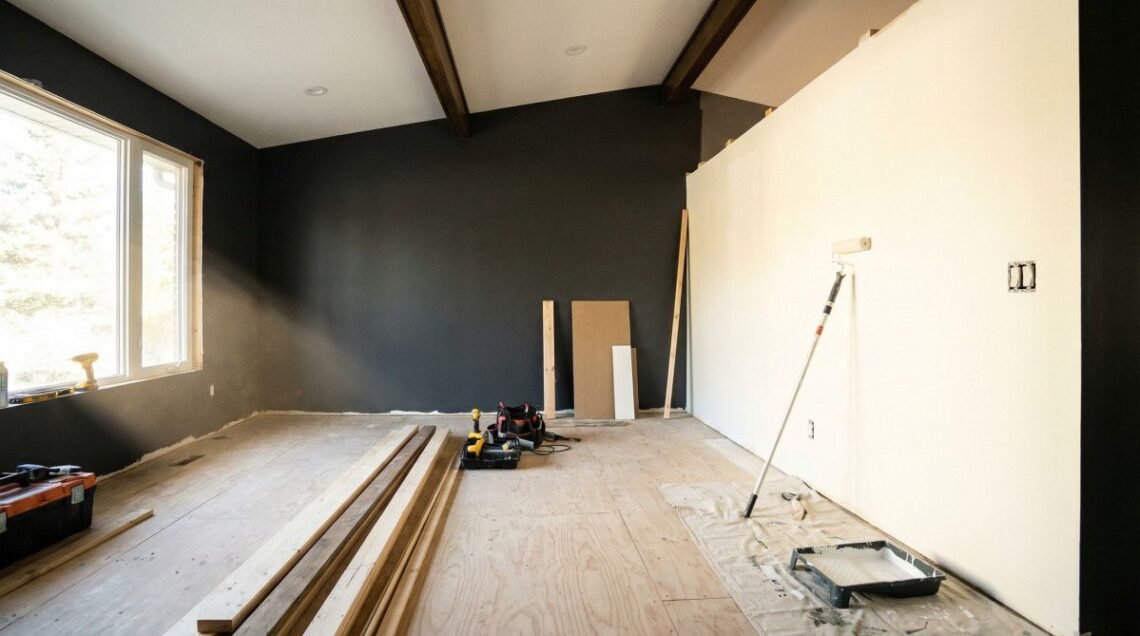
To paint over dark walls with a light color, you must first clean the surface and apply a high-quality, high-hide primer to block the dark pigment from bleeding through. Following the primer with at least two coats of premium acrylic latex paint ensures a uniform, vibrant finish that completely obscures the original dark shade. This systematic approach prevents the need for excessive paint layers and achieves a professional result in minimal time.
Preparing the Surface for a Color Transformation
The success of any painting project, especially one involving a drastic color shift, depends heavily on the quality of the initial preparation. Darker paints often hide surface imperfections, dust, and oils that can interfere with the adhesion of lighter topcoats. Begin by cleaning the walls with a solution of trisodium phosphate (TSP) or a mild detergent to remove grease and grime. This step is critical because any residue left on the wall can cause the new paint to peel or bubble over time says Windsor Property Management.
Once the walls are clean and dry, inspect the surface for any holes, cracks, or dents. Use a high-quality spackling compound to fill these areas, and once dry, sand them smooth with fine-grit sandpaper. It is also advisable to lightly sand the entire wall surface, especially if the existing dark paint has a glossy finish. Sanding creates a “tooth” on the surface, which significantly improves the mechanical bond between the old paint and the new primer layer.
Selecting the Right Primer for Maximum Opacity
Choosing the correct primer is the most important decision when transitioning from a dark hue to a light one. Standard primers may require three or more coats to hide a deep red or forest green, whereas a dedicated high-hide primer is formulated with higher solids content to provide superior coverage in fewer applications. For most interior residential projects, a high-quality water-based acrylic primer is the industry standard due to its low VOC content and quick drying time.
In some cases, professionals recommend using a gray-tinted primer rather than a pure white one. While it may seem counterintuitive to use a darker primer when aiming for a light finish, certain shades of gray are more effective at neutralizing the underlying dark pigments. This technique is particularly useful when covering deep blues or blacks, as it provides a more neutral base that allows the final light color to appear truer to its intended shade with fewer topcoats.
Comparison of Primer Types for Color Changes
| Primer Type | Best Use Case | Drying Time | Key Advantage |
|---|---|---|---|
| Acrylic Latex | Standard drywall and masonry | 1–2 Hours | Low odor and easy water cleanup |
| Oil-Based | Blocking tannins and wood stains | 6–8 Hours | Superior stain-blocking capabilities |
| Shellac-Based | Severe odors and glossy surfaces | 30–45 Minutes | Fastest drying and maximum adhesion |
| High-Hide White | Drastic dark-to-light transitions | 1–2 Hours | Maximum pigment density for coverage |
Professional Application Techniques for Even Coverage
When applying both the primer and the final paint, the technique used can greatly impact the uniformity of the finish. Professionals often use the “W” or “M” technique to distribute paint evenly across the wall. Start by loading the roller and drawing a large “W” on a section of the wall, then fill in the gaps without lifting the roller. This method ensures that the paint is spread consistently and helps to avoid “holidays” or thin spots where the dark color might peek through.
It is essential to maintain a “wet edge” while painting to prevent visible lap marks. This means always overlapping the previous stroke while the paint is still wet. For the best results, work in sections of approximately three feet by three feet. After the primer has been applied and has dried completely—typically one to two hours for latex-based products—inspect the wall for any areas where the dark color is still clearly visible. If the original paint was exceptionally dark, a second coat of primer may be necessary before proceeding to the topcoat.
Applying the Final Light Topcoats
After the primer has created a solid, neutral foundation, it is time to apply the final light color. Even with a high-quality primer, a single coat of paint is rarely sufficient to achieve full opacity and the desired sheen. Most professional standards require at least two coats of premium acrylic latex paint for a durable and aesthetically pleasing finish. The first coat provides the bulk of the color, while the second coat ensures depth, uniformity, and the correct level of gloss.
Allow the first topcoat to dry according to the manufacturer’s instructions, which is usually four hours for most interior latex paints. Rushing the second coat can lead to “re-wetting” the first layer, which may cause streaks or uneven texture. Between coats, check for any drips or imperfections that can be lightly sanded away. Once the final coat is applied, the transformation will be complete, leaving the room feeling brighter and more spacious without any trace of the previous dark pigment.
Maintaining the Integrity of the New Finish
To ensure the longevity of the new light-colored walls, it is important to allow the paint to cure fully. While the paint may feel dry to the touch within hours, it can take up to thirty days for the acrylic resins to reach their maximum hardness. During this curing period, avoid scrubbing the walls or placing furniture directly against them. Using high-quality paints with good “scrubbability” ratings will make future maintenance easier, allowing for the removal of scuffs and marks without damaging the finish.
Light-colored walls are more prone to showing dirt and fingerprints than dark walls, so regular dusting and occasional spot cleaning are recommended. By following these professional steps—thorough preparation, the use of high-hide primers, and disciplined application techniques—homeowners can successfully transition any room from a dark, heavy atmosphere to a light, airy sanctuary that stands the test of time.
Frequently Asked Questions About Painting Over Dark Walls
Do I really need to use a primer when painting over dark walls?
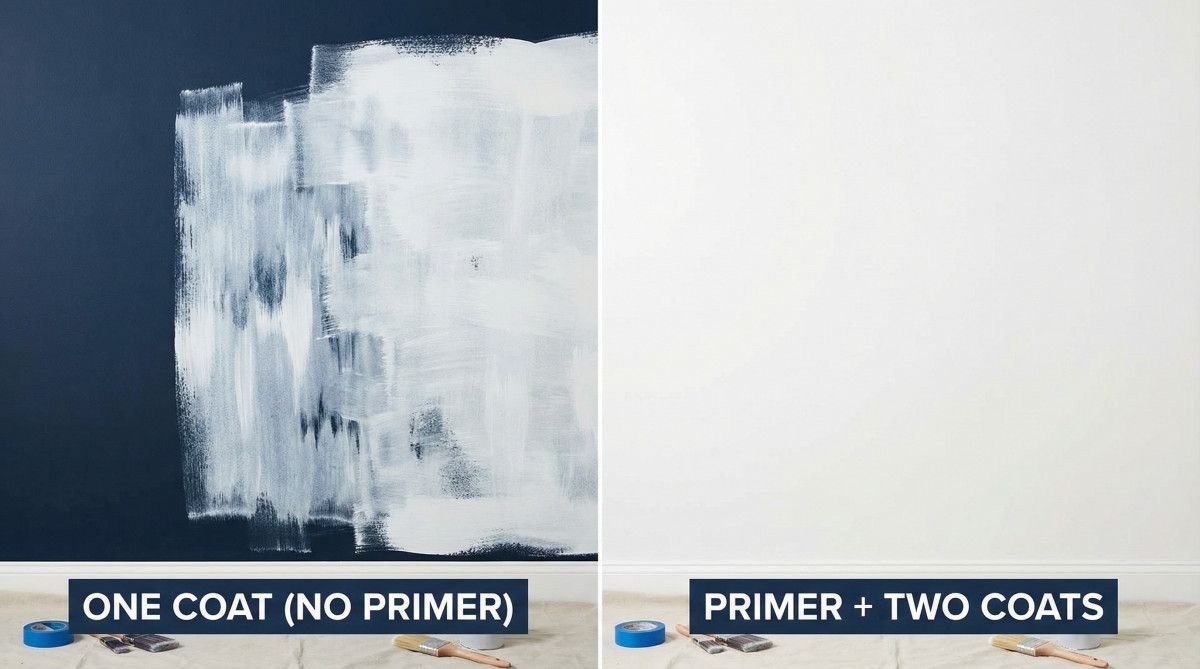
Yes, using a dedicated primer is essential when making a significant color change. Primer provides a neutral base that prevents the dark pigment from bleeding through the new light color, ensuring the final result is vibrant and uniform. It also improves the adhesion of the paint to the surface, which prevents peeling and increases the durability of the finish.
How many coats of primer are typically required?
In most cases, one coat of a high-quality, high-hide primer is sufficient to cover moderately dark colors. However, for extremely dark shades like navy blue, deep forest green, or black, two coats of primer may be necessary to create a completely neutral foundation. Always allow the first coat to dry fully before deciding if a second coat is needed.
Can I use a paint-and-primer-in-one product for this task?
While paint-and-primer-in-one products are convenient for minor color changes, they are generally less effective than a dedicated high-hide primer for drastic dark-to-light transitions. A separate primer is specifically formulated with higher levels of titanium dioxide and other solids to block dark colors more efficiently, often saving time and money in the long run by reducing the number of topcoats required.
How long should I wait between applying primer and the first coat of paint?
For water-based acrylic primers, you should typically wait at least one to two hours before applying the first topcoat of paint. However, drying times can vary based on the humidity and temperature of the room. It is always best to consult the manufacturer’s instructions on the can to ensure the primer has sufficiently cured to accept the new paint layer.
What is the best type of paint to use for the final light color?
A premium 100% acrylic latex paint is the best choice for most interior walls. These paints offer excellent hide, durability, and color retention. For areas that require frequent cleaning, such as kitchens or hallways, choosing a paint with a satin or eggshell finish provides a good balance between a soft appearance and the ability to resist stains and moisture.
Why does my light paint look different than the swatch after application?
If the light paint looks different than expected, it may be due to the underlying dark color bleeding through or the lighting conditions in the room. This is why using a high-hide primer is so important; it neutralizes the base so the new color can appear as intended. Additionally, always test a small sample on the wall and view it at different times of the day to see how natural and artificial light affect the hue.

- I’m Aliza, the founder of Urdu Novel Bank. I built this site because I love Urdu stories and want everyone to enjoy them. As an Urdu literature lover, I choose the best novels to share with you. Here you can find free Urdu novels in romance, mystery, thriller and more. Read online or download PDF chapters without signing up. I update the library often so you’ll always have new tales to explore. My goal is to bring Urdu literature to readers around the world.
Latest Novels
- July 29, 2026Home ImprovementCabinet Painting Cost Per Linear Foot: Complete Pricing Guide for Kitchens
- May 4, 2026Urdu Romantic NovelsHow Incorporating Moroccan Tile Enhances Your Home Décor
- April 29, 2026Home ImprovementHow Finding a Reliable Plumber Near Me Transforms Plumbing Emergencies
- April 27, 2026Home ImprovementHow to Plan a Layered Lighting Scheme for Your Bedroom Renovation