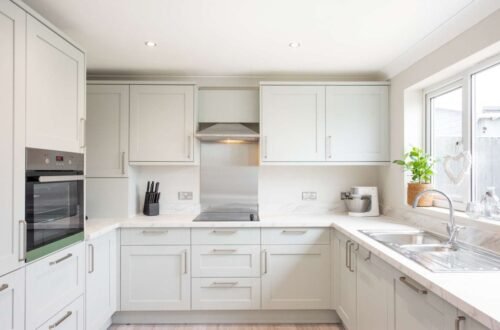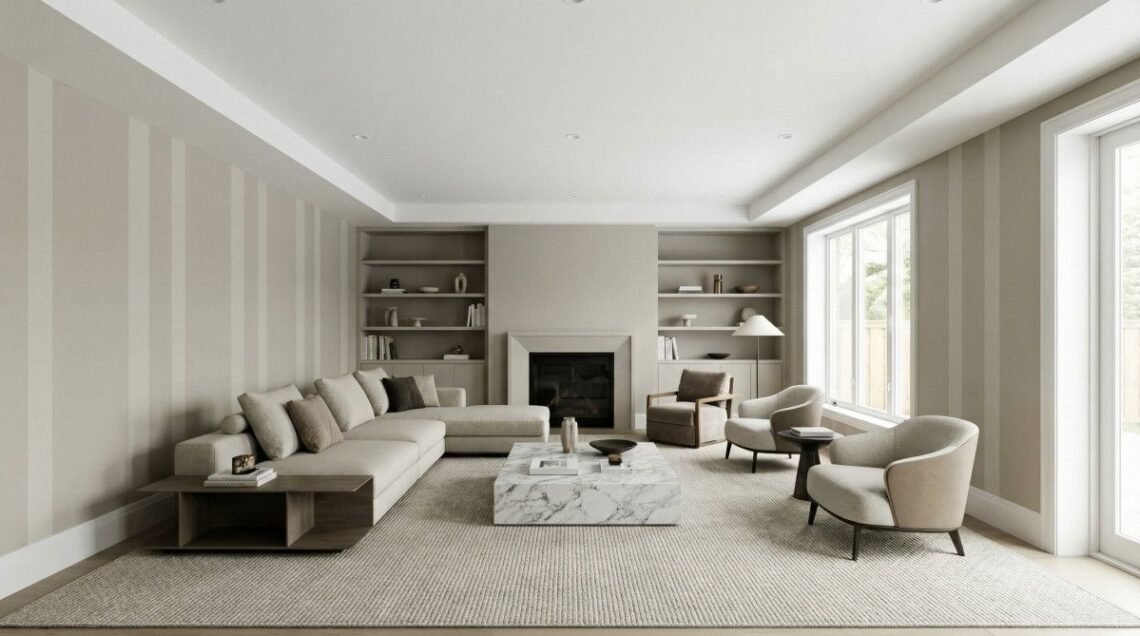
To make a low ceiling look higher with paint, use a lighter color on the ceiling than on the walls, such as a crisp white or a very pale neutral, to create a greater sense of openness. Another option is color drenching, where the walls and ceiling are painted the same shade so the boundaries blur and the room feels taller. Applying a high-gloss or semi-gloss finish to the ceiling also helps by reflecting more light and creating visual depth, says USA Real Estate and Property Management experts.
Choosing the Best Paint Colors for Height
The choice of color is the most critical factor in altering the perceived height of a room. Light colors are naturally more reflective and tend to recede, which makes them ideal for low ceilings. While a classic bright white is the most common choice, off-whites, very light grays, and pale blues can also be highly effective. These colors do not draw the eye downward, allowing the ceiling to blend into the background rather than feeling like a heavy lid on the space.
When selecting a color for the walls, consider using a shade that is slightly darker than the ceiling. This contrast creates a clear vertical separation that encourages the eye to move upward. However, the difference should not be so stark that it creates a harsh horizontal line, which can actually make the ceiling feel lower. A subtle transition between a soft beige on the walls and a warm white on the ceiling is often more effective than a high-contrast pairing.
The Impact of Paint Finishes and Sheen
Beyond color, the finish or sheen of the paint plays a significant role in how height is perceived. Most ceilings are traditionally painted with a flat or matte finish to hide imperfections. However, for low ceilings, a more reflective finish can be a powerful tool. Semi-gloss or high-gloss paints act like a mirror, reflecting the light from windows and lamps back into the room. This reflection creates a sense of depth, making it difficult for the eye to pinpoint exactly where the ceiling surface begins.
It is important to note that higher sheens will highlight any bumps, cracks, or unevenness in the ceiling. Therefore, the surface must be perfectly smooth before applying a glossy paint. If the ceiling has significant texture, a satin or eggshell finish may be a better compromise, offering some reflectivity without emphasizing every flaw. The following table compares the most common paint finishes used for ceilings and their impact on perceived height.
| Paint Finish | Reflectivity Level | Impact on Ceiling Height | Best Use Case |
|---|---|---|---|
| Flat/Matte | Very Low | Neutral; hides imperfections but can feel heavy. | Textured or uneven ceilings. |
| Eggshell/Satin | Low to Medium | Slightly reflective; adds a subtle glow. | Standard ceilings with minor flaws. |
| Semi-Gloss | Medium to High | Noticeably reflective; creates a sense of depth. | Smooth ceilings in kitchens or bathrooms. |
| High-Gloss | Very High | Mirror-like; maximizes the illusion of height. | Perfectly smooth ceilings for a dramatic effect. |
Strategic Painting Techniques to Create Verticality
One of the most effective ways to make a ceiling look higher is to incorporate vertical elements that draw the eye from the floor to the ceiling. Painting vertical stripes on the walls is a classic technique that emphasizes the height of the room. These stripes do not need to be high-contrast; even a subtle difference in sheen—such as alternating matte and satin stripes of the same color—can create the desired effect without being overwhelming.
Another advanced technique is to extend the wall color onto the ceiling. By painting a narrow border of the ceiling (about two to three inches) in the same color as the walls, you create the illusion that the walls are taller than they actually are. This “tray” effect tricks the eye into thinking the ceiling starts further in, effectively pushing the center of the ceiling upward. This is particularly useful in rooms with crown molding, as the molding can be painted the same color as the walls to further enhance the vertical line.
Color Drenching: A Modern Solution for Low Ceilings
Color drenching is a design technique where the walls, ceiling, and even the trim are all painted the same color. While it might seem counterintuitive to paint a low ceiling a color other than white, this method is highly effective at making a space feel larger and taller. When there is no clear line where the wall ends and the ceiling begins, the eye does not stop at the traditional boundary. This lack of visual interruption allows the space to feel more expansive and continuous.
For the best results with color drenching in a room with low ceilings, choose a light to mid-tone neutral or a cool, receding color like a soft sage green or a dusty blue. Avoid very dark or warm colors, as these can sometimes make the space feel more enclosed. Using the same color in different finishes—such as matte on the walls and semi-gloss on the ceiling—can add a layer of sophistication while still maintaining the seamless look that makes the room feel taller.
Using Trim and Molding to Enhance Ceiling Height
The way you paint your trim and molding can either help or hinder your efforts to make a ceiling look higher. Traditional white crown molding can sometimes act as a visual “stop sign,” cutting the wall short and emphasizing a low ceiling. To avoid this, consider painting the crown molding the same color as the walls. This eliminates the horizontal break and allows the wall color to flow seamlessly toward the ceiling, making the walls appear longer.
If you prefer to have a different color for your trim, choose a shade that is only slightly lighter or darker than the wall color. Another option is to install thinner molding or even remove it entirely for a more modern, streamlined look. In rooms without molding, you can create a similar effect by painting a thin line of a lighter color at the very top of the wall, which mimics the look of a higher ceiling without the physical bulk of traditional trim.
Common Mistakes to Avoid When Painting Low Ceilings
When attempting to increase the perceived height of a room, there are several common pitfalls to avoid. One of the most frequent mistakes is using a dark or very warm color on the ceiling. Dark colors tend to advance toward the viewer, which can make a low ceiling feel like it is “caving in.” Similarly, warm colors like deep yellows or oranges can create a cozy but enclosed feeling that emphasizes the lack of height.
Another mistake is ignoring the impact of lighting. Even the best paint job will not be effective if the room is poorly lit. Avoid heavy, low-hanging light fixtures or ceiling fans, which physically occupy the space you are trying to make feel more open. Instead, use recessed lighting or wall sconces that direct light upward. This “uplighting” works in tandem with your paint choices to illuminate the ceiling and reinforce the illusion of height.
Frequently Asked Questions
What is the best paint finish for a low ceiling?
The best paint finish for a low ceiling is typically a semi-gloss or high-gloss finish if the surface is smooth, as the reflectivity creates a sense of depth. If the ceiling has imperfections, an eggshell or satin finish is a better choice to provide some light reflection without highlighting flaws.
Should I paint my ceiling white if my walls are dark?
Yes, painting the ceiling a bright, crisp white can provide a strong contrast that draws the eye upward. However, for a more seamless look that avoids a harsh horizontal break, you might consider a very pale version of your wall color instead of a pure white.
Can vertical stripes really make a ceiling look higher?
Vertical stripes are highly effective at making a ceiling look higher because they encourage the eye to move in an upward direction. For a subtle effect, use two different sheens of the same color or two very similar shades of a neutral tone.
Does painting the crown molding help with ceiling height?
Painting the crown molding the same color as the walls is one of the most effective ways to make a ceiling look higher. This removes the visual break at the top of the wall, allowing the eye to travel further up before reaching the ceiling.
Is color drenching effective for low ceilings?
Color drenching is very effective for low ceilings because it blurs the boundaries between the walls and the ceiling. By using a single color for the entire space, you eliminate the horizontal lines that typically define the height of a room.
What colors should I avoid for low ceilings?
Avoid dark, saturated colors and very warm tones like deep red, brown, or dark orange on a low ceiling. These colors tend to advance toward the eye, making the ceiling feel lower and the room feel more cramped.

- I’m Aliza, the founder of Urdu Novel Bank. I built this site because I love Urdu stories and want everyone to enjoy them. As an Urdu literature lover, I choose the best novels to share with you. Here you can find free Urdu novels in romance, mystery, thriller and more. Read online or download PDF chapters without signing up. I update the library often so you’ll always have new tales to explore. My goal is to bring Urdu literature to readers around the world.
Latest Novels
- July 29, 2026Home ImprovementCabinet Painting Cost Per Linear Foot: Complete Pricing Guide for Kitchens
- May 4, 2026Urdu Romantic NovelsHow Incorporating Moroccan Tile Enhances Your Home Décor
- April 29, 2026Home ImprovementHow Finding a Reliable Plumber Near Me Transforms Plumbing Emergencies
- April 27, 2026Home ImprovementHow to Plan a Layered Lighting Scheme for Your Bedroom Renovation