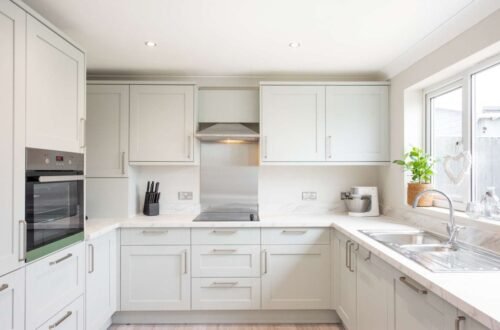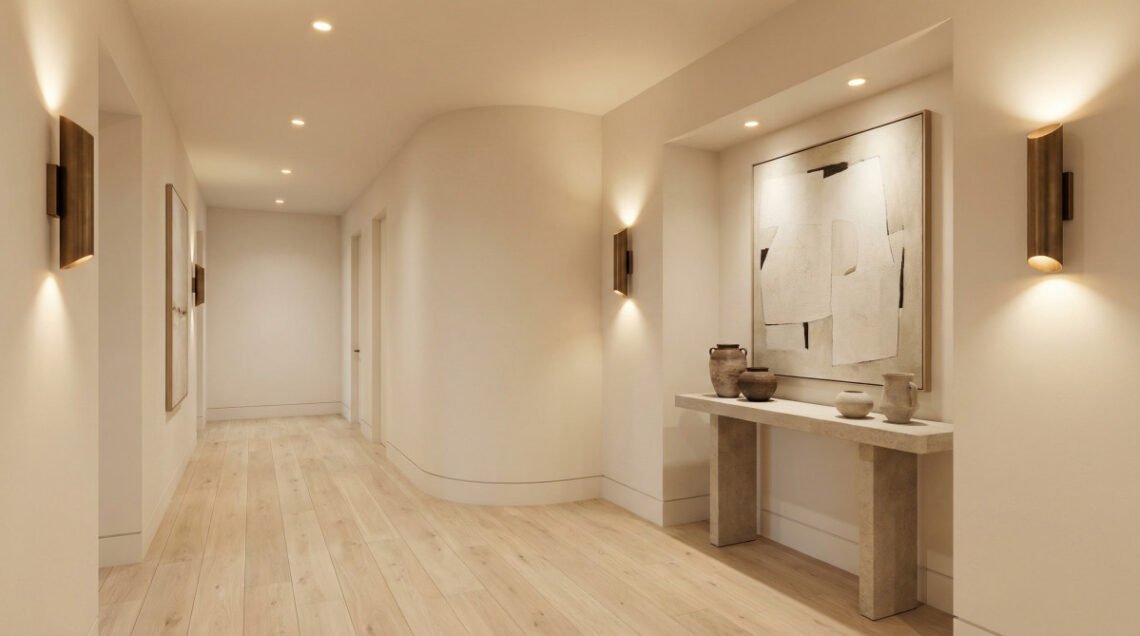
To choose the best wall color for a room with no natural light, prioritize paints with a high Light Reflectance Value and warm undertones that compensate for the lack of sun. Opting for a warm white or soft neutral with an LRV above 50 helps artificial light bounce more effectively across the space, preventing a dim or cave-like feeling. Selecting the right color, adds Asbury Park Management, also means balancing the Kelvin temperature of your bulbs with the paint’s undertones to create a brighter and more inviting result.
Understanding Light Reflectance Value (LRV)
The most critical technical factor in selecting paint for a windowless space is the Light Reflectance Value, commonly referred to as LRV. This metric measures the percentage of light a paint color reflects versus how much it absorbs, operating on a scale from 0 to 100. A value of 0 represents absolute black, which absorbs all light, while 100 represents pure white, which reflects all light. For rooms devoid of windows, interior designers typically recommend colors with an LRV of 50 or higher. These lighter shades are essential because they maximize the efficiency of every lumen produced by your lamps and overhead fixtures.
When a color has a low LRV, it tends to “soak up” the light, making a windowless room feel smaller and more enclosed. Conversely, high LRV paints act like a mirror for artificial light, pushing it back into the room and creating an illusion of depth and airiness. However, it is important to avoid stark, clinical whites with an LRV near 90 unless the room is exceptionally well-lit with warm-toned bulbs, as these can sometimes appear gray or “muddy” in the absence of natural full-spectrum sunlight.
The Role of Artificial Lighting in Color Selection
In a room with no windows, artificial lighting becomes the sole source of illumination, which means it dictates how your chosen wall color will actually appear. Unlike natural light, which changes throughout the day, artificial light is consistent but often leans toward specific parts of the color spectrum. For instance, traditional incandescent bulbs emit a warm, yellow glow that can make cool blues look green or dull. Modern LED bulbs offer more variety, ranging from “Warm White” (2700K) to “Daylight” (5000K-6500K).
To achieve the most accurate color representation, it is advisable to use bulbs that mimic the natural spectrum. The Department of Energy suggests that choosing energy-efficient lighting with a high Color Rendering Index (CRI) can significantly improve how colors are perceived indoors. For more information on lighting standards and efficiency, you can visit the official Department of Energy website. When selecting paint, you must test your swatches under the exact lighting conditions of the room. A soft greige that looks perfect in a showroom might turn into a sickly green under cool fluorescent tubes. By matching your paint’s undertones to your bulb’s temperature, you can ensure the room feels intentional and balanced rather than accidental.
Best Color Palettes for Windowless Rooms
While white is the most common choice for brightening dark spaces, it is not the only option. The key is to select colors that have enough “life” in them to stand up to artificial light. Warm whites, such as those with a hint of yellow, peach, or pink, are excellent because they provide a sense of “glow” that mimics the warmth of the sun. Cool neutrals like pale blue or soft sage green can also work well, provided they are paired with bright, daylight-balanced lighting to prevent them from feeling cold or damp.
For those who prefer a more modern aesthetic, “greige”—a blend of gray and beige—offers the sophistication of gray without the chilly undertones that often plague windowless basements or bathrooms. If you choose to go bold with a darker color, ensure the room has multiple layers of light, including task, ambient, and accent lighting, to prevent the space from feeling oppressive. Below is a comparison of common color categories and their impact on windowless environments.
| Color Category | Visual Effect | Recommended LRV Range |
|---|---|---|
| Warm Whites | Mimics sunlight; creates a cozy, inviting glow. | 75 – 85 |
| Cool Neutrals | Creates an airy, expansive feel; looks crisp. | 60 – 75 |
| Soft Pastels | Adds personality without darkening the space. | 55 – 70 |
| Deep Tones | Creates a “jewel box” effect; very dramatic. | 10 – 30 |
Selecting the Right Paint Finish
The finish, or sheen, of your paint is just as important as the color itself when dealing with a lack of natural light. Paint finishes range from flat (no shine) to high-gloss (very reflective). In a windowless room, a flat finish can often look “dead” because it absorbs light rather than reflecting it. However, a high-gloss finish can create harsh glares and highlight every imperfection in the drywall, which is often distracting under direct overhead lighting.
The “sweet spot” for most windowless rooms is an eggshell or satin finish. These sheens provide a soft luster that helps bounce light around the room without the aggressive reflection of glossier paints. Satin is particularly useful in high-traffic or high-moisture areas like windowless bathrooms or hallways, as it is more durable and easier to clean. By choosing a finish with a slight sheen, you add a layer of luminosity to the walls that helps the color feel more dynamic and less static.
Design Strategies to Enhance Wall Color
Choosing the right wall color is only the first step; how you decorate the rest of the room will determine if that color succeeds. One of the most effective strategies is the use of mirrors. Placing a large mirror on a primary wall can double the perceived light in the room by reflecting the artificial light sources and the light-colored walls back into the space. Additionally, choosing light-colored furniture and flooring can prevent the “ground” of the room from feeling too heavy, which helps the walls feel more expansive.
Another often-overlooked strategy is the color of the ceiling. In a room with no windows, the ceiling should almost always be a brighter, higher-LRV white than the walls. This creates a “sky” effect that draws the eye upward and prevents the room from feeling like it is closing in. Using a “ceiling white” with an LRV of 90 or higher ensures that any light hitting the top of the room is reflected back down onto the living space, further brightening the environment.
Common Mistakes to Avoid
One of the most frequent errors homeowners make is choosing a “true” gray for a windowless room. Without the full spectrum of natural light to bring out its nuances, gray often defaults to its base pigments, which can look like wet concrete or lead. Similarly, avoid using “dirty” or “muddy” colors—those with heavy brown or black undertones—as these will only look darker and more oppressive once they are on the walls of a windowless space.
Another mistake is failing to account for the “bounce” of color. In a small, windowless room, the color on one wall will reflect onto the opposite wall, intensifying the hue. This means a color that looks subtle on a small swatch might look overwhelming once it covers all four walls. Always paint a large sample area and observe it at different times of the day with your artificial lights on before committing to the full project. Finally, do not ignore the importance of VOC (Volatile Organic Compounds) levels; for windowless rooms with limited ventilation, choosing low-VOC or zero-VOC paints is essential for maintaining healthy indoor air quality.
Can I use dark colors in a room with no windows?
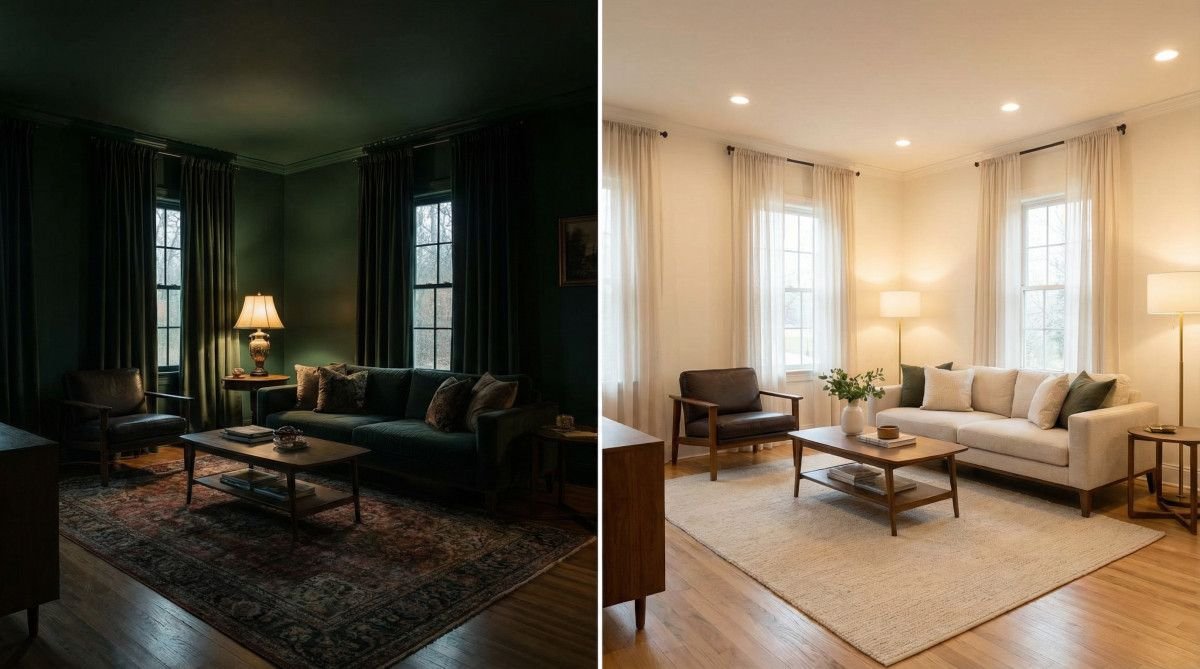
Yes, you can use dark colors in a windowless room, but it requires a specific design approach. Instead of trying to make the room look bright, you are leaning into a “cozy” or “moody” aesthetic. This works best in small spaces like powder rooms or media rooms. To make this successful, you must include plenty of artificial light sources to ensure the room remains functional and the dark color looks intentional rather than accidental.
What is the best white paint for a windowless basement?
The best white paint for a windowless basement is typically a warm white with a high LRV, such as Sherwin-Williams High Reflective White or Benjamin Moore Simply White. These shades have just enough warmth to prevent the basement from feeling cold and clinical, while their high reflectance helps maximize the limited light available from overhead fixtures or lamps.
Does the ceiling color have to match the walls?
No, the ceiling color does not have to match the walls, and in a windowless room, it is often better if it does not. Painting the ceiling a brighter, cleaner white than the walls helps to “lift” the room and reflect more light downward. If you use the same color on both the walls and the ceiling, the lack of contrast can sometimes make the room feel smaller and more enclosed.
How do LED bulbs affect my wall color choice?
LED bulbs significantly affect wall color because they come in various color temperatures measured in Kelvins. A “Warm White” LED (2700K) will enhance yellows and reds in your paint, while a “Daylight” LED (5000K) will make blues and greens pop but might make warm colors look washed out. It is vital to choose your bulbs first and then select a paint color that complements that specific light temperature.
Should I use a glossy finish to make the room brighter?
While glossy finishes reflect more light, they are generally not recommended for entire walls in windowless rooms. The high reflectivity can create distracting glares from light bulbs and reveal every bump or texture on your walls. An eggshell or satin finish is usually the better choice, as it provides a soft glow that brightens the room without the harshness of a full gloss.
What is the most popular color for windowless bathrooms?
Light, airy colors like soft aqua, pale seafoam green, or warm cream are the most popular choices for windowless bathrooms. These colors evoke a sense of cleanliness and tranquility, and they respond well to the bright, functional lighting typically found in bathrooms. Pairing these colors with white cabinetry and large mirrors further enhances the brightness of the space.

- I’m Aliza, the founder of Urdu Novel Bank. I built this site because I love Urdu stories and want everyone to enjoy them. As an Urdu literature lover, I choose the best novels to share with you. Here you can find free Urdu novels in romance, mystery, thriller and more. Read online or download PDF chapters without signing up. I update the library often so you’ll always have new tales to explore. My goal is to bring Urdu literature to readers around the world.
Latest Novels
- July 29, 2026Home ImprovementCabinet Painting Cost Per Linear Foot: Complete Pricing Guide for Kitchens
- May 4, 2026Urdu Romantic NovelsHow Incorporating Moroccan Tile Enhances Your Home Décor
- April 29, 2026Home ImprovementHow Finding a Reliable Plumber Near Me Transforms Plumbing Emergencies
- April 27, 2026Home ImprovementHow to Plan a Layered Lighting Scheme for Your Bedroom Renovation