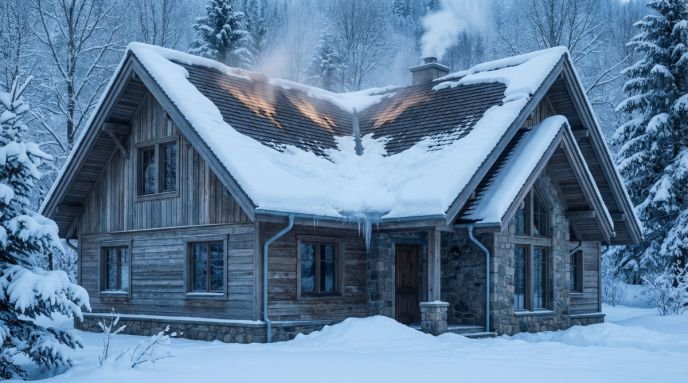
Determining whether your home is poorly insulated involves watching for physical signs such as uneven indoor temperatures, unusually high energy bills, and drafts in living areas. If the heating or cooling system runs constantly without maintaining comfort, or if ice dams form on the roof during winter, those are strong indicators that the thermal envelope has been compromised. Addressing these warning signs promptly can significantly improve energy efficiency and overall comfort, says Streamline Property Management.
Unusually High Energy Bills and HVAC Performance
One of the most immediate financial indicators of inadequate insulation is a consistent and unexplained rise in monthly utility costs. When a home lacks sufficient thermal resistance, heat easily escapes during the winter and enters during the summer. This forces the heating, ventilation, and air conditioning (HVAC) system to work much harder and for longer durations to maintain the set temperature on the thermostat. If you find that your furnace or air conditioner is cycling on and off frequently or running almost continuously, it is often a sign that the building envelope is failing to retain conditioned air.
According to industry standards from the Department of Energy, properly sealing and insulating a home can save homeowners an average of 15% on heating and cooling costs. Monitoring your energy usage over several seasons can help identify patterns that suggest insulation degradation. If your bills are significantly higher than those of similar-sized homes in your area, or if they have spiked without a change in energy rates or usage habits, the insulation in your attic, walls, or crawlspaces may be the primary culprit.
Fluctuating Indoor Temperatures and Cold Spots
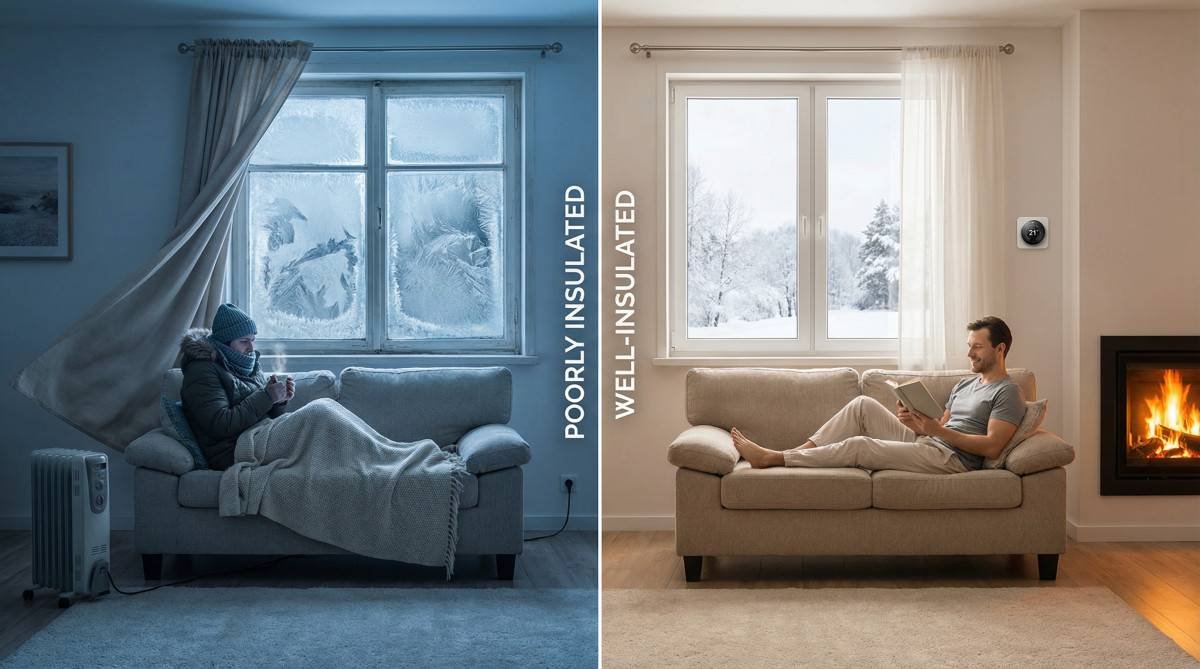
A well-insulated home should maintain a relatively uniform temperature across all rooms and levels. If you experience significant temperature swings as you move from one room to another, it often indicates that certain areas of the house are better protected than others. For instance, a bedroom that feels significantly colder than the living room in winter suggests that the insulation in the exterior walls or the ceiling above that specific room is insufficient or has settled over time.
Cold spots on interior walls and floors are also telltale signs of poor insulation. In the winter, you can perform a simple touch test: place your hand on the interior surface of an exterior wall. It should feel warm and dry. If the wall feels cold to the touch, it means heat is being conducted through the wall material to the outside because there is no effective thermal barrier. Similarly, cold floors in rooms located above unheated garages or crawlspaces indicate a lack of proper floor insulation, which can lead to significant heat loss and discomfort for occupants.
Persistent Drafts and Air Leaks
Drafts are often mistaken for simple window or door seal issues, but they can also be a symptom of broader insulation problems. While air sealing and insulation are two different processes, they work together to create a comfortable indoor environment. Poorly insulated homes often have gaps in the thermal barrier that allow outside air to seep in. These drafts are most commonly felt around electrical outlets, baseboards, and recessed lighting fixtures, where insulation may be missing or improperly installed.
To identify these leaks, you can use a professional thermal leak detector or a simple incense stick to see where air movement is occurring. If the smoke from the incense stick wavers or is blown away when held near a wall or outlet, you have found an air leak. These gaps not only let in cold air but also allow moisture to enter the wall cavities, which can lead to more serious structural issues over time. Ensuring that insulation is continuous and tightly fitted around all penetrations is essential for eliminating these uncomfortable drafts.
Ice Dams and Winter Roofing Issues
In colder climates, the exterior of your home can provide visual clues about the state of your interior insulation. Ice dams are thick ridges of solid ice that build up along the eaves of a roof. They form when heat escapes from the living space into the attic, warming the roof deck and melting the snow above. The melted snow then flows down to the colder eaves, where it refreezes. This cycle continues until a large dam is formed, which can cause water to back up under the shingles and leak into the house.
The presence of large icicles hanging from the gutters is another indicator of this process. While some small icicles are normal, massive ice formations suggest that the attic is not staying cold enough, which is usually due to a combination of poor insulation and inadequate ventilation. A well-insulated attic keeps the heat inside the living quarters and prevents the roof from warming up, thereby stopping the formation of ice dams and protecting the structural integrity of the roof and gutters.
Comparing Common Insulation Materials and Their Effectiveness
Understanding the different types of insulation and their thermal resistance, measured as R-value per inch, can help you determine if your current setup is adequate. The following table compares common insulation materials used in residential properties based on data from ENERGY STAR and the Department of Energy.
| Insulation Material | Common Form | Approximate R-Value per Inch | Primary Use Cases |
|---|---|---|---|
| Fiberglass | Batts or Loose-fill | 2.2 – 3.8 | Attics, walls, and floors |
| Cellulose | Loose-fill | 3.2 – 3.8 | Attic floors and enclosed walls |
| Mineral Wool | Batts or Loose-fill | 3.0 – 3.3 | Fire-prone areas and soundproofing |
| Open-Cell Spray Foam | Spray-applied | 3.5 – 3.6 | Interior walls and roof decks |
| Closed-Cell Spray Foam | Spray-applied | 6.0 – 7.0 | Exterior walls and high-moisture areas |
| Rigid Foam Board | Panels | 4.0 – 6.5 | Basement walls and exterior sheathing |
As shown in the table, different materials offer varying levels of thermal protection. If your home was built several decades ago, it may contain older fiberglass batts that have compressed or settled, reducing their effective R-value. Upgrading to higher-performing materials or simply adding more loose-fill insulation can often resolve the issues associated with poor thermal resistance.
Moisture Problems and Pests
Poor insulation can also lead to moisture-related issues, such as condensation on windows and walls. When warm, moist indoor air comes into contact with a cold surface that is not properly insulated, it reaches its dew point and turns into liquid water. Over time, this persistent moisture can lead to the growth of mold and mildew, which can affect indoor air quality and the health of the residents. If you notice damp spots on your ceilings or walls, it is important to check the insulation levels in those areas immediately.
Furthermore, gaps in insulation often serve as entry points for pests. Rodents and insects are attracted to the warmth of a home and can easily navigate through thin or missing patches of insulation. Once inside, they may nest in the material, further reducing its effectiveness and creating hygiene concerns. If you find evidence of pests in your attic or crawlspace, it is a strong indication that your home’s exterior envelope is not as tight or well-insulated as it should be.
How can I check my attic insulation levels myself?
You can check your attic insulation by looking across the floor of your attic. If the insulation is level with or below the top of the floor joists, you likely need to add more. For a more accurate assessment, use a tape measure to determine the depth of the material and multiply it by the R-value per inch for that specific material type to find your total R-value.
What is the recommended R-value for home insulation?
The recommended R-value depends on your specific climate zone. Generally, for attics, the Department of Energy recommends R-values ranging from R-30 to R-60. In colder regions, higher R-values are necessary to prevent significant heat loss, while in warmer areas, the focus is on preventing heat gain during the summer months.
Does poor insulation cause frozen pipes?
Yes, poor insulation is a leading cause of frozen pipes. When pipes are located in exterior walls or unheated crawlspaces without adequate thermal protection, they are exposed to freezing temperatures. Proper insulation helps maintain the temperature around the pipes above freezing, preventing them from bursting and causing water damage.
Can I add new insulation over old insulation?
In most cases, you can add new insulation over existing material as long as the old insulation is dry and free of mold. If the existing insulation is wet or has been compressed by pests, it should be removed and replaced. When adding new batts over old ones, ensure they do not have a vapor barrier, as this can trap moisture between the layers.
How long does home insulation typically last?
Most common insulation materials, such as fiberglass and mineral wool, can last for 80 to 100 years if they remain undisturbed and dry. However, loose-fill materials like cellulose may settle over 20 to 30 years, reducing their effectiveness. If your home is older, it is wise to have the insulation inspected every decade to ensure it still meets modern energy standards.
Will better insulation reduce outside noise?
Yes, improving your home’s insulation can significantly reduce the amount of outside noise that enters your living space. Materials like mineral wool and spray foam are particularly effective at dampening sound waves, making your home quieter and more peaceful in addition to being more energy-efficient.

- I’m Aliza, the founder of Urdu Novel Bank. I built this site because I love Urdu stories and want everyone to enjoy them. As an Urdu literature lover, I choose the best novels to share with you. Here you can find free Urdu novels in romance, mystery, thriller and more. Read online or download PDF chapters without signing up. I update the library often so you’ll always have new tales to explore. My goal is to bring Urdu literature to readers around the world.
Latest Novels
- July 29, 2026Home ImprovementCabinet Painting Cost Per Linear Foot: Complete Pricing Guide for Kitchens
- May 4, 2026Urdu Romantic NovelsHow Incorporating Moroccan Tile Enhances Your Home Décor
- April 29, 2026Home ImprovementHow Finding a Reliable Plumber Near Me Transforms Plumbing Emergencies
- April 27, 2026Home ImprovementHow to Plan a Layered Lighting Scheme for Your Bedroom Renovation