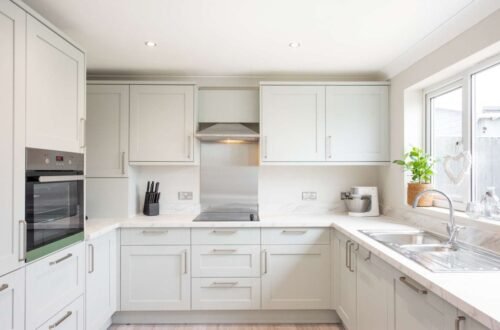
A home appraisal is one of the most consequential steps in any real estate transaction, notes Rentfy Property Management Charlotte. Whether the goal is to sell, refinance, or tap into home equity, the appraiser’s number carries real financial weight. A low appraisal can stall a sale, reduce refinancing proceeds, or force a price renegotiation. A well-prepared home, on the other hand, gives the appraiser every reason to arrive at the highest defensible value.
Preparation is not about staging tricks or inflating perceived value — it is about ensuring that every genuine improvement and feature of the property is visible, documented, and properly considered. Here is a practical, step-by-step approach to preparing for a home appraisal.
Understand What Appraisers Evaluate
Home appraisers assess four primary categories: the physical condition of the property (interior and exterior), the size and layout of the living space, the quality and age of mechanical systems, and the sales prices of comparable properties recently sold nearby. Understanding these categories helps homeowners focus preparation efforts where they matter most.
Appraisers use the Uniform Residential Appraisal Report (URAR), a standardized form that guides their evaluation. They are not looking for perfection — they are looking for condition, functionality, and market alignment. A home with minor cosmetic wear but fully functional systems and a well-documented renovation history will typically appraise higher than a visually polished home with deferred mechanical maintenance.
Comparable sales, or “comps,” are the backbone of the appraisal. The appraiser will identify three to five recently sold properties within roughly a half-mile radius that are similar in size, age, and features. Homeowners cannot control the comps, but they can ensure their property’s features are clearly visible and accurately documented so the appraiser makes appropriate upward adjustments.
Address Repairs and Maintenance Before the Visit
Minor visible repairs — leaky faucets, broken fixtures, peeling paint, cracked caulk, and damaged screens — should be completed before the appraisal. These issues signal deferred maintenance and can lead appraisers to apply condition adjustments that reduce the final value, even when the underlying systems are sound.
The goal is not a full renovation but a demonstration of consistent upkeep. Walk through the property room by room and address anything that looks neglected. Pay particular attention to:
- Water stains on ceilings or walls, which suggest past or present leaks
- Cracked or missing grout in bathrooms and kitchens
- Broken or missing hardware on cabinets and doors
- Non-functional light switches or outlets
- Damaged flooring, particularly at transitions between rooms
Exterior maintenance matters equally. Appraisers form an initial impression from the street. Overgrown landscaping, peeling paint, damaged gutters, or a deteriorating driveway can all factor into the condition rating before the appraiser steps inside.
Document Every Improvement
Appraisers can only credit what they know about. Preparing a written list of all significant improvements — including the year completed, contractor used, and approximate cost — ensures that value-adding upgrades are formally recognized in the appraisal report rather than overlooked.
This documentation packet is one of the most impactful and underutilized preparation steps. Include any work completed in the past ten years, such as:
- Roof replacement or repair
- HVAC system replacement or upgrade
- Kitchen or bathroom remodels
- Window or door replacements
- Electrical panel upgrades
- Addition of square footage or finished basement
- Energy efficiency upgrades (insulation, solar panels, smart systems)
Where available, include permits and final inspection certificates. Permitted work carries more weight than unpermitted improvements and protects the homeowner from potential valuation disputes.

Clean, Declutter, and Provide Full Access
While appraisers are trained to look past personal belongings, a clean, uncluttered home allows them to accurately measure rooms, assess condition, and access all areas without obstruction. Blocked access to mechanical systems, attic hatches, or storage areas can result in incomplete assessments.
Deep clean the entire property, including often-overlooked areas such as garage floors, utility rooms, and attic access points. Ensure that the appraiser can physically access every room, closet, and mechanical space. If a crawl space or attic is part of the property, make sure the access points are clear and the spaces are safe to enter.
Secure pets and minimize household activity during the visit. The appraiser typically spends between 30 minutes and two hours on-site. A calm, uninterrupted environment allows them to work efficiently and thoroughly.
Boost Curb Appeal Before the Appointment
The exterior of a home is the appraiser’s first data point. A well-maintained yard, clean entryway, and sound exterior surfaces signal consistent upkeep and contribute positively to the condition rating, which directly influences the final appraised value.
In the days before the appraisal, mow the lawn, trim hedges, remove dead plants, clear debris from walkways, and clean the front door and entry area. If the exterior paint is peeling or faded in visible areas, a fresh coat — even on just the trim — is a worthwhile investment. Ensure that gutters are attached and free of debris, and that any visible roof damage is addressed or at minimum documented as a known repair.
What to Do If the Appraisal Comes In Low
A low appraisal is not necessarily final. Homeowners can formally challenge the result by submitting a Reconsideration of Value (ROV) request, providing additional comparable sales data or identifying factual errors in the report. Lenders are required to review valid ROV submissions.
If the appraised value falls short of expectations, the first step is to carefully review the report for errors — incorrect square footage, missing rooms, or inaccurate comparable selections. If errors are found, document them clearly and submit a formal ROV through the lender. Providing two or three additional comparable sales that the appraiser may have overlooked, along with a brief explanation of why they are relevant, strengthens the case for reconsideration.

Frequently Asked Questions
How long does a home appraisal take?
The on-site portion of a home appraisal typically takes between 30 minutes and two hours, depending on the size and complexity of the property. The appraiser then takes additional time — usually three to seven business days — to complete the written report and submit it to the lender.
Should I be present during the appraisal?
It is generally advisable to be present or have a representative available to answer questions and provide the improvement documentation packet. However, avoid following the appraiser around the property or attempting to influence their assessment. Provide information when asked and allow them to work independently.
Do renovations always increase the appraised value?
Not always. The return on renovation investment varies significantly by project type and local market. Kitchen and bathroom updates, roof replacements, and energy efficiency upgrades tend to yield strong returns. Highly personalized or luxury upgrades in modest neighborhoods may not recover their full cost in the appraisal.
What factors can hurt a home appraisal?
Deferred maintenance, visible structural issues, outdated mechanical systems, poor curb appeal, and a lack of documentation for improvements are the most common factors that negatively impact an appraisal. External factors such as proximity to noise sources, declining neighborhood conditions, or a weak comparable sales market can also reduce the appraised value.
How often should a home be appraised?
A formal appraisal is typically required by lenders during a purchase or refinance transaction. Outside of those events, homeowners may choose to commission a private appraisal when considering a sale, disputing property taxes, or settling an estate. There is no standard frequency requirement for owner-occupied properties.
Conclusion
Knowing how to prepare for a home appraisal is a skill that pays dividends in any real estate transaction. The appraiser’s job is to determine fair market value — but they can only work with what they see and what they are told. A clean, well-maintained property with a thorough improvement documentation packet gives the appraiser every tool they need to arrive at the highest accurate valuation. Addressing minor repairs, documenting upgrades, and presenting the home in its best physical condition are not about manipulation — they are about ensuring that the property’s true value is fully and fairly reflected in the final report.
- Freddie Mac. What Homeowners Need to Know About Home Appraisals. myhome.freddiemac.com
- Consumer Financial Protection Bureau (CFPB). What is a home appraisal? consumerfinance.gov
- Fannie Mae. Uniform Residential Appraisal Report (URAR) Guidelines. fanniemae.com

- I’m Aliza, the founder of Urdu Novel Bank. I built this site because I love Urdu stories and want everyone to enjoy them. As an Urdu literature lover, I choose the best novels to share with you. Here you can find free Urdu novels in romance, mystery, thriller and more. Read online or download PDF chapters without signing up. I update the library often so you’ll always have new tales to explore. My goal is to bring Urdu literature to readers around the world.
Latest Novels
- July 29, 2026Home ImprovementCabinet Painting Cost Per Linear Foot: Complete Pricing Guide for Kitchens
- May 4, 2026Urdu Romantic NovelsHow Incorporating Moroccan Tile Enhances Your Home Décor
- April 29, 2026Home ImprovementHow Finding a Reliable Plumber Near Me Transforms Plumbing Emergencies
- April 27, 2026Home ImprovementHow to Plan a Layered Lighting Scheme for Your Bedroom Renovation