
Ensuring clean, safe water throughout your home is a top priority for many homeowners. From showering to cooking, the quality of your water impacts daily life and long-term health. While tap water often meets basic safety standards, it can still contain contaminants that affect taste, odor, and even cause damage to plumbing and appliances. A whole house water filtration system offers a comprehensive solution, treating all water entering your home at the point of entry. This guide will walk you through the essential steps to choose the right system for your specific needs, ensuring peace of mind and improved water quality.
Understanding Your Water: The First Step
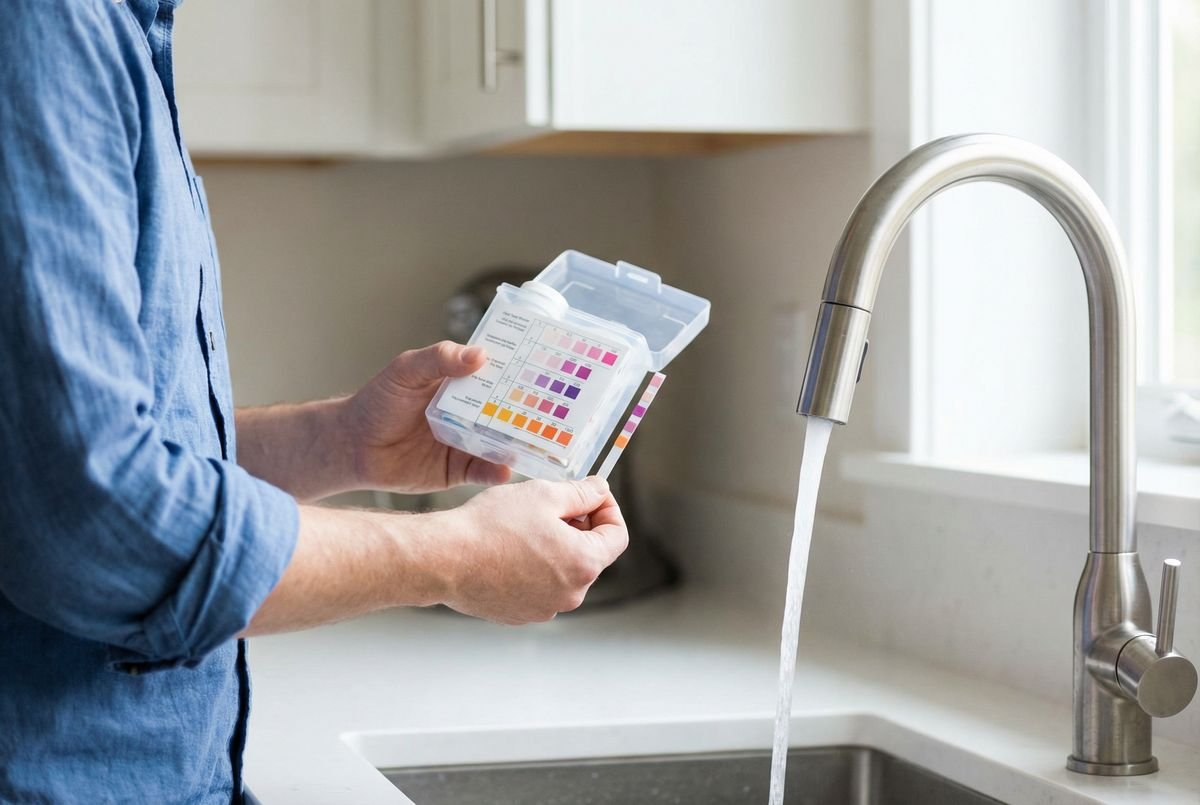
Before investing in any filtration system, understanding your home’s water quality is paramount, notes Mainlander Property Management Beaverton. The type of contaminants present will dictate the most effective filtration technology. Start by identifying your water source: do you rely on a municipal (city) water supply or a private well?
For well water users, a comprehensive water test is non-negotiable. These tests can identify bacteria, heavy metals, nitrates, pesticides, and other specific contaminants common in private sources. Municipal water users can often access annual water quality reports from their local utility, which detail common contaminants like chlorine, chloramines, and fluoride. However, a personal test can still reveal issues specific to your home’s plumbing, such as lead from old pipes.
Decoding Filtration Technologies: What Are Your Options?
The world of water filtration offers a variety of technologies, each designed to tackle different types of impurities. Understanding these options is crucial for making an informed decision about a whole house water filtration system.
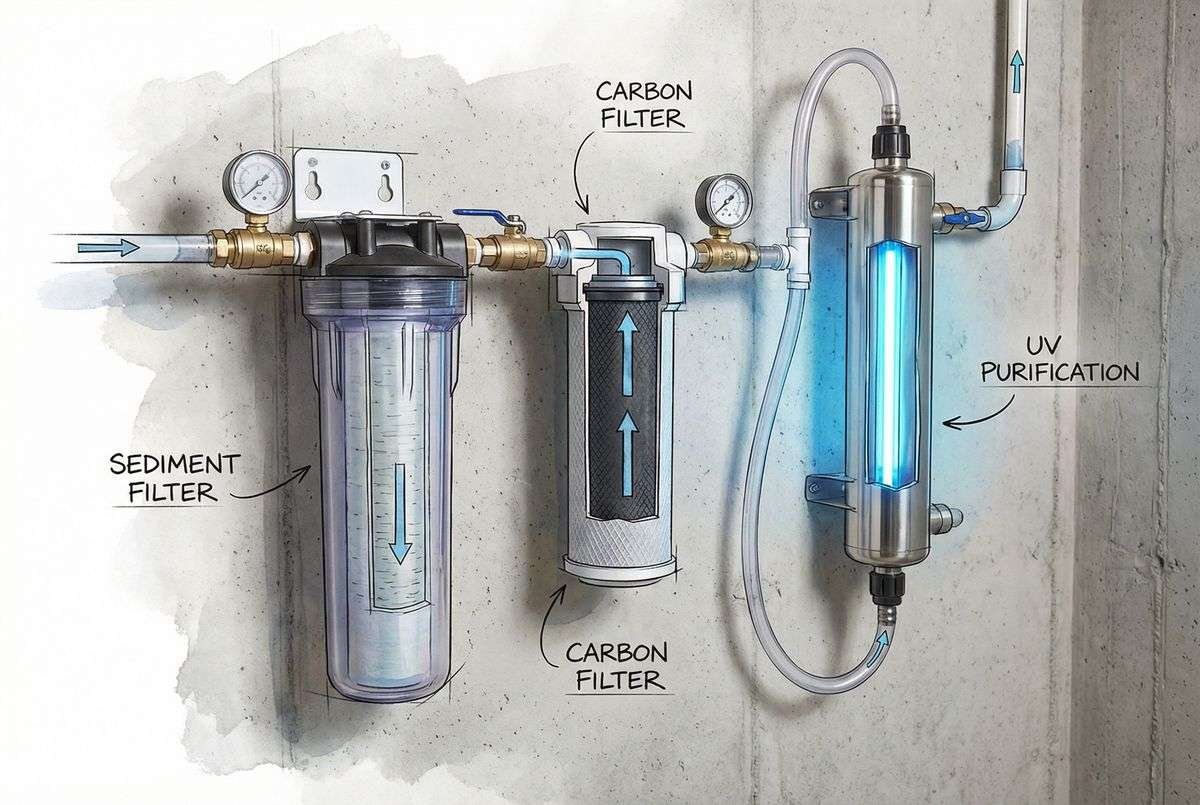
- Sediment Filters: These are often the first line of defense, removing larger particles like sand, silt, rust, and dirt. They protect other filtration stages from clogging and extend their lifespan.
- Carbon Filters: Activated carbon and carbon block filters are highly effective at removing chlorine, chloramines, volatile organic compounds (VOCs), pesticides, herbicides, and improving water taste and odor.
- Water Softeners: These systems use an ion-exchange process to remove hard water minerals like calcium and magnesium, preventing scale buildup in pipes and appliances. They do not filter out other contaminants.
- Reverse Osmosis (RO): While typically used for point-of-use (e.g., kitchen sink), whole-house RO systems exist. They are highly effective at removing a wide range of contaminants, including dissolved solids, heavy metals, and fluoride, but produce wastewater and require a large storage tank.
- UV Purifiers: Ultraviolet (UV) systems are excellent for inactivating bacteria, viruses, and other microorganisms without using chemicals. They are often used in conjunction with other filters, especially for well water.
Tailoring Your Choice: Well Water vs. Municipal Supply
The source of your water significantly influences the type of whole house water filtration system you’ll need. A step-by-step decision matrix based on your water source and specific contaminants will guide you to the most effective solution.
For Well Water Users:
Well water is untreated and can contain a diverse range of contaminants, making a multi-stage approach often necessary. Your water test results are critical here.
- Bacteria/Viruses: If your test indicates microbial contamination, a UV purification system is essential.
- Iron/Manganese: Look for specialized iron filters or oxidation systems that precipitate these minerals for removal.
- Hydrogen Sulfide (Sulfur Smell): Aeration systems or activated carbon filters can address this.
- Sediment: A robust sediment filter is always recommended as the first stage to protect other components.
- Hardness: A water softener will be needed if you have high levels of calcium and magnesium.
A common well water filtration setup might include a sediment filter, followed by an iron filter, then a carbon filter, and finally a UV purifier.
For Municipal Water Users:
City water is treated, but residual chemicals and potential contaminants from aging infrastructure can still be a concern. Your focus will likely be on removing these specific issues.
- Chlorine/Chloramines: A high-quality activated carbon whole house water filter is highly effective for removing these disinfectants, improving taste and odor.
- Lead/Heavy Metals: If your home has older plumbing or your water report indicates lead, specialized heavy metal removal filters or a whole-house RO system might be considered.
- Fluoride: While beneficial in small amounts, some prefer to remove fluoride. Activated alumina or bone char carbon filters can reduce fluoride levels.
- Sediment: Even city water can have sediment, especially after pipe work, so a basic sediment filter is a good preventative measure.
Key Factors for System Selection
Beyond contaminant removal, several practical considerations will influence your final choice of a whole house water filtration system.
- Flow Rate (GPM): Ensure the system can handle your household’s peak water demand without reducing water pressure. Look for a GPM (gallons per minute) rating that matches or exceeds your home’s requirements.
- Filter Lifespan & Maintenance: Consider how often filters need replacement and the cost involved. Some systems require more frequent maintenance than others.
- Budget: Whole house water filters vary significantly in price, from a few hundred to several thousand dollars, depending on complexity and capacity. Factor in both initial purchase and ongoing maintenance costs.
- Installation: While some DIY enthusiasts might tackle installation, professional installation is often recommended to ensure proper function and avoid plumbing issues.
Whole House Water Filtration System Comparison
To help you visualize the differences, here’s a comparison of common whole house water filter types:
| Filter Type | Primary Contaminants Removed | Pros | Cons | Typical Cost Range (System Only) |
|---|---|---|---|---|
| Sediment Filter | Sand, silt, rust, dirt | Inexpensive, protects other filters | Doesn’t remove chemical/biological contaminants | $50 – $200 |
| Activated Carbon Filter | Chlorine, chloramines, VOCs, taste, odor | Effective for common city water issues, improves taste | Doesn’t remove minerals, heavy metals, or bacteria | $300 – $1,000 |
| Water Softener | Calcium, magnesium (hard water minerals) | Prevents scale buildup, extends appliance life | Doesn’t filter other contaminants, requires salt | $500 – $2,000 |
| UV Purifier | Bacteria, viruses, cysts | Chemical-free disinfection | Doesn’t remove sediment, chemicals, or heavy metals; requires pre-filtration | $300 – $1,000 |
| Whole House RO | Broad spectrum (dissolved solids, heavy metals, fluoride) | Most comprehensive filtration | Expensive, slow flow rate, produces wastewater, complex installation | $2,000 – $5,000+ |

- I’m Aliza, the founder of Urdu Novel Bank. I built this site because I love Urdu stories and want everyone to enjoy them. As an Urdu literature lover, I choose the best novels to share with you. Here you can find free Urdu novels in romance, mystery, thriller and more. Read online or download PDF chapters without signing up. I update the library often so you’ll always have new tales to explore. My goal is to bring Urdu literature to readers around the world.
Latest Novels
- July 29, 2026Home ImprovementCabinet Painting Cost Per Linear Foot: Complete Pricing Guide for Kitchens
- May 4, 2026Urdu Romantic NovelsHow Incorporating Moroccan Tile Enhances Your Home Décor
- April 29, 2026Home ImprovementHow Finding a Reliable Plumber Near Me Transforms Plumbing Emergencies
- April 27, 2026Home ImprovementHow to Plan a Layered Lighting Scheme for Your Bedroom Renovation