Winter is coming, and with it, the risk of frozen pipes. For homeowners, understanding how to winterize your home plumbing is not just a seasonal chore; it’s a crucial preventative measure that can save thousands in potential damage and costly repairs, notes Lakeview Property Management. A burst pipe can lead to extensive water damage, mold growth, and significant disruption to your daily life. Taking proactive steps now ensures your plumbing system remains intact and functional throughout the coldest months.
Understanding the Risks: Why Pipes Freeze
Frozen pipes are a common winter headache, primarily occurring when water inside them expands as it turns to ice. This expansion creates immense pressure, not necessarily where the ice forms, but between the ice blockage and the nearest closed faucet. This pressure can cause pipes to rupture, leading to significant leaks once the ice thaws.
Factors contributing to frozen pipes include sudden temperature drops, poor insulation, and thermostats set too low. Pipes located in unheated areas like basements, crawl spaces, attics, garages, or exterior walls are particularly vulnerable. Even a small crack can unleash hundreds of gallons of water per hour, making prevention paramount.
Essential Steps to Winterize Indoor Plumbing
Winterizing your indoor plumbing involves several key actions to protect pipes within your heated living spaces and those in less protected areas. These steps are vital for homes that will be vacant during winter or those in extremely cold climates.
1. Shut Off the Main Water Supply
Before any other steps, locate and turn off your home’s main water supply valve. This prevents new water from entering the system as you drain it. For homes with a well, also turn off the well pump. This foundational step ensures a dry system, minimizing freezing risks.
2. Drain All Water from Pipes
Once the main supply is off, open all faucets, both hot and cold, throughout your house. Start with the highest faucets and work your way down to the lowest points. Flush all toilets to empty their tanks and bowls. Don’t forget utility sinks, bathtubs, and showers. This process allows gravity to help clear water from your pipes.
3. Address Water Heaters and Boilers
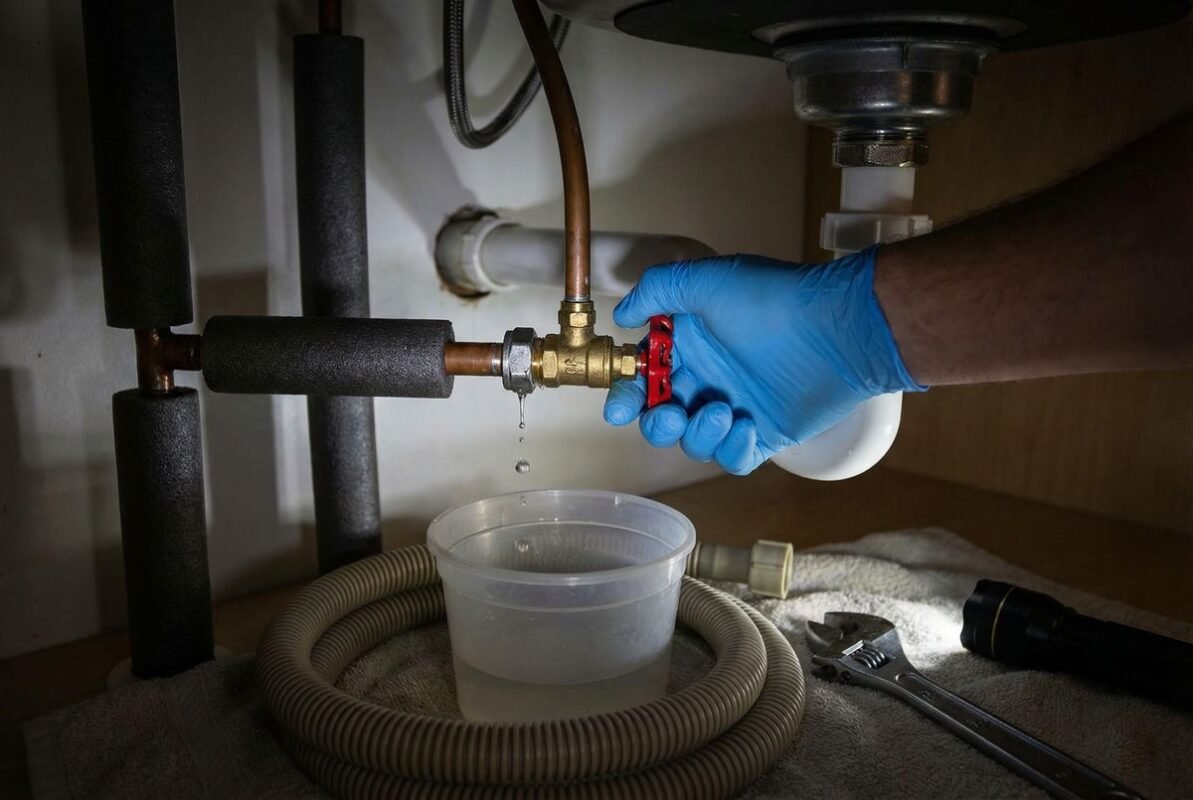
For water heaters, turn off the power or gas supply. Attach a hose to the drain valve at the bottom of the tank and direct it to a floor drain or outside. Open a hot water faucet upstairs to break the vacuum and allow the tank to drain completely. For boilers, consult a professional or follow manufacturer guidelines, as these systems are more complex.
4. Protect Drains and Toilets with Antifreeze
After draining, pour non-toxic plumbing antifreeze into all drains, including sinks, tubs, showers, and floor drains. This prevents water in the P-traps from freezing and cracking the pipes. For toilets, after flushing, pour antifreeze into the bowl and tank to displace any remaining water. Ensure you use plumbing-specific, non-toxic antifreeze, not automotive antifreeze.
Winterizing Outdoor Plumbing and Fixtures
Outdoor plumbing is often the first to freeze due to direct exposure to cold temperatures. Protecting these elements is just as important as indoor preparations.
1. Disconnect and Drain Hoses
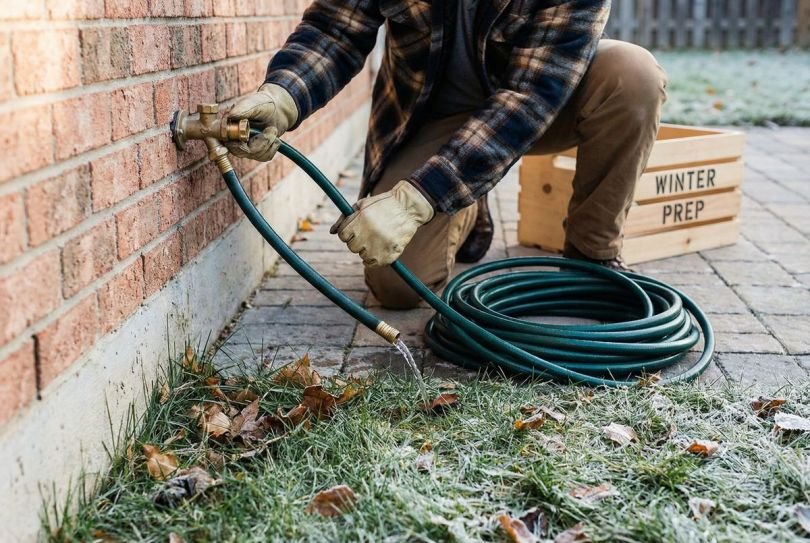
Remove all garden hoses from outdoor spigots. Drain any water remaining in the hoses and store them indoors, such as in a shed or garage. Leaving hoses connected can trap water in the spigot, leading to freezing and damage to both the hose and the faucet.
2. Shut Off and Drain Exterior Faucets
Locate the shut-off valves for your outdoor faucets, typically found inside your home near where the outdoor spigot penetrates the wall. Turn these valves off. Then, open the outdoor spigots to drain any residual water. If your outdoor faucets are frost-free, they are designed to drain automatically, but it’s still wise to disconnect hoses.
3. Insulate Exposed Outdoor Pipes
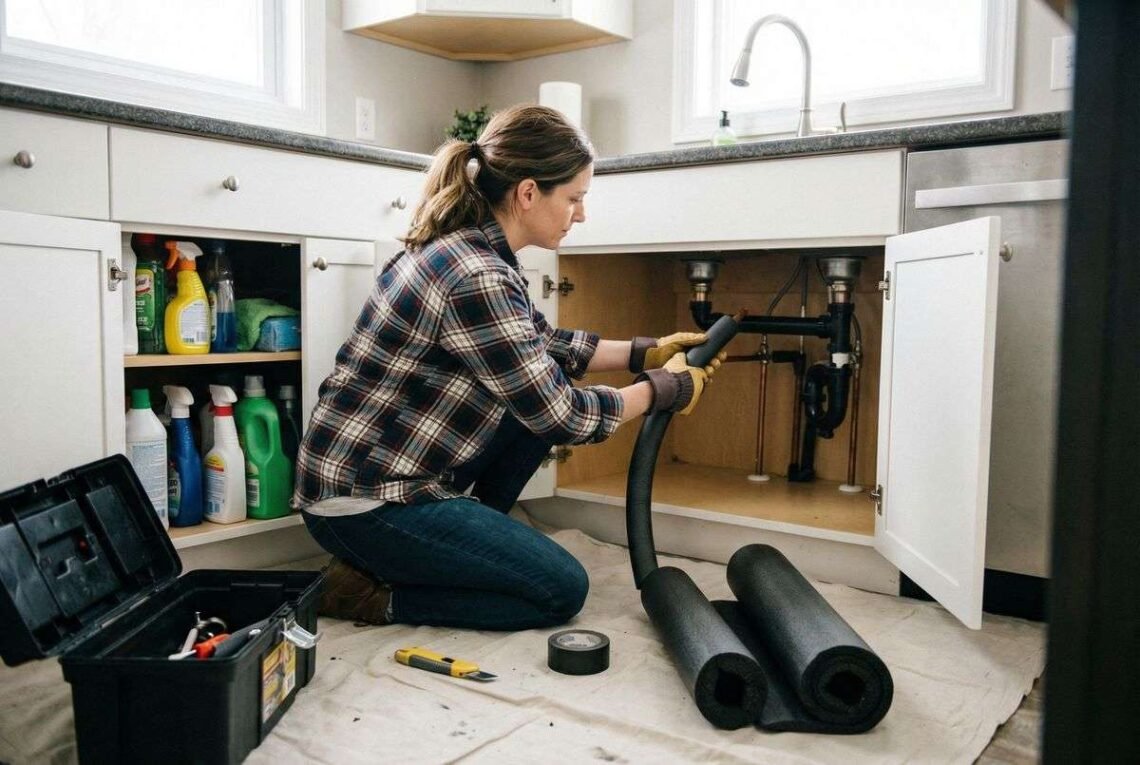
Any exposed pipes outdoors, or in unheated garages and crawl spaces, should be insulated. Use foam pipe insulation sleeves, heat tape, or even old blankets and towels in a pinch. Proper insulation acts as a barrier against freezing temperatures, significantly reducing the risk of bursts.
Advanced Winterization Techniques and Unique Insights
Beyond the basic steps, there are several advanced considerations and unique approaches to further safeguard your plumbing system. These often address specific vulnerabilities or offer enhanced protection.
Myth Busting: Does a Trickle Really Work?
One common piece of advice is to let a faucet drip during extreme cold. This isn’t a myth; it’s a valid strategy. Running water, even a small trickle, makes it harder for ice to form and build up pressure within the pipes. The continuous movement of water prevents it from reaching the freezing point and expanding. However, this method consumes water and is best used as a temporary measure or for specific vulnerable pipes, not as a substitute for proper winterization.
The Role of Smart Home Technology
Modern smart home systems offer innovative solutions for plumbing protection. Smart water sensors can detect leaks or sudden temperature drops, alerting you via your smartphone. Some systems can even automatically shut off the main water supply if a leak is detected, providing an invaluable layer of protection, especially for vacation homes or during extended absences.
General Tips for Preventing Frozen Pipes
Even with thorough winterization, ongoing vigilance is key during cold snaps. Here are some general tips to keep in mind:
- Maintain Indoor Temperatures: Keep your thermostat set to at least 55°F (13°C), even when you’re away. A consistent indoor temperature helps prevent pipes within walls and cabinets from freezing.
- Open Cabinet Doors: For pipes located on exterior walls, open cabinet doors under sinks to allow warmer air to circulate around the plumbing.
- Seal Air Leaks: Seal cracks and openings in exterior walls and foundations near pipes to prevent cold air from entering.
- Know Your Shut-Off Valve: Ensure everyone in your household knows where the main water shut-off valve is and how to operate it in an emergency.
What to Do If Your Pipes Freeze
Despite your best efforts, pipes can still freeze. Knowing how to react can minimize damage.
- Identify the Frozen Pipe: Look for sections of pipe that are frosted, bulging, or have no water flow from a faucet.
- Turn Off Water Supply: Immediately shut off the main water supply to prevent flooding if the pipe bursts.
- Apply Heat Gradually: Use a hairdryer, heating pad, or towels soaked in hot water to thaw the frozen section. NEVER use an open flame or high-heat devices, as this can damage pipes or cause a fire.
- Open a Faucet: Keep a faucet open while thawing the pipe to allow water to flow through once the ice melts, relieving pressure.
- Call a Professional: If you cannot locate the frozen section, cannot thaw it, or suspect a burst pipe, call a licensed plumber immediately.
Comparison of Winterization Methods
To help you decide on the best approach for your home, here’s a comparison of common winterization methods:
| Method | Description | Pros | Cons | Best For |
|---|---|---|---|---|
| Draining System | Shutting off main water and emptying all pipes. | Most effective for long-term vacancies; near-zero risk of freezing. | Requires significant effort; home is without water. | Vacation homes, extended absences, extreme climates. |
| Insulation | Wrapping pipes with foam sleeves or heat tape. | Cost-effective; permanent solution for exposed pipes. | Doesn’t protect against extreme cold if water is stagnant. | Unheated areas (garages, crawl spaces), exposed outdoor pipes. |
| Antifreeze | Pouring non-toxic plumbing antifreeze into drains and toilets. | Prevents P-traps and toilet bowls from freezing. | Only protects fixtures, not main water lines; must be non-toxic. | Fixtures in drained systems, rarely used drains. |
| Trickling Faucet | Allowing a small stream of water to flow from a faucet. | Simple, immediate protection for specific pipes. | Wastes water; temporary solution; not foolproof. | Emergency measure during sudden cold snaps, vulnerable faucets. |
Frequently Asked Questions (FAQ)
How cold does it have to be for pipes to freeze?
Pipes can begin to freeze when temperatures drop to 20 degrees Fahrenheit (-6 degrees Celsius) or below. However, factors like wind chill, pipe insulation, and exposure to cold air can cause freezing at higher temperatures.
Can I use automotive antifreeze for my plumbing?
Absolutely not. Automotive antifreeze is toxic and should never be used in a home’s plumbing system. Always use non-toxic plumbing antifreeze, which is specifically designed for this purpose and safe for potable water systems.
How long does it take for pipes to thaw?
The thawing time depends on the severity of the freeze and the method used. A hairdryer might thaw a small section in 30 minutes, while a deeply frozen pipe could take several hours. Patience and gradual heat application are key.
Should I turn off my water heater when winterizing?
Yes, if you are completely draining your plumbing system, you should turn off the power or gas to your water heater. This prevents the heating elements from trying to heat an empty tank, which can cause significant damage.
Conclusion: Proactive Protection for Peace of Mind
Understanding how to winterize your home plumbing is an investment in your home’s longevity and your peace of mind. By taking the necessary precautions—from draining pipes and insulating exposed areas to utilizing smart home technology—you can effectively mitigate the risks associated with freezing temperatures. Don’t wait for the first deep freeze to act; proactive winterization is the best defense against costly and disruptive plumbing emergencies. A little effort now can save you a lot of trouble later, ensuring your home remains warm, dry, and functional throughout the winter season.

- I’m Aliza, the founder of Urdu Novel Bank. I built this site because I love Urdu stories and want everyone to enjoy them. As an Urdu literature lover, I choose the best novels to share with you. Here you can find free Urdu novels in romance, mystery, thriller and more. Read online or download PDF chapters without signing up. I update the library often so you’ll always have new tales to explore. My goal is to bring Urdu literature to readers around the world.
Latest Novels
- July 29, 2026Home ImprovementCabinet Painting Cost Per Linear Foot: Complete Pricing Guide for Kitchens
- May 4, 2026Urdu Romantic NovelsHow Incorporating Moroccan Tile Enhances Your Home Décor
- April 29, 2026Home ImprovementHow Finding a Reliable Plumber Near Me Transforms Plumbing Emergencies
- April 27, 2026Home ImprovementHow to Plan a Layered Lighting Scheme for Your Bedroom Renovation