Introduction: The Watchman’s Call
What happens when the moral compass of a generation suddenly spins wildly off course? This is the central, jarring question posed by Harper Lee’s long-awaited second novel, Go Set a Watchman.
Published in 2015, more than fifty years after To Kill a Mockingbird, the book immediately ignited a firestorm of controversy and critical debate. It forced readers to confront a much harsher, more complex reality than the nostalgic vision they held dear.
The novel is not a sequel in the traditional sense, but an earlier draft of the story that would become Mockingbird. It offers a raw, unsettling look at the adult life of Jean Louise “Scout” Finch.
A Shocking Revelation: Atticus Finch’s Transformation
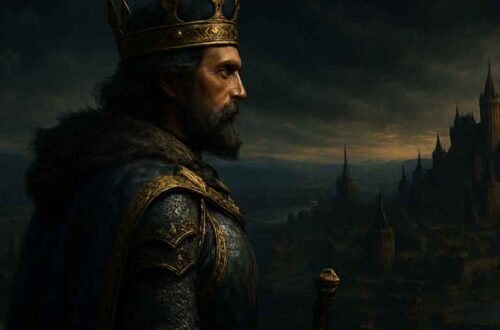
The most significant and painful element of Go Set a Watchman is the portrayal of Atticus Finch. The heroic, morally unimpeachable lawyer from Mockingbird is gone.
In his place is an aging man who attends a Citizens’ Council meeting and expresses views that align with segregationist sentiments. This revelation is a profound shock, not just to Jean Louise, but to the millions of readers who idolized him.
This new Atticus is a product of his time and place, a man whose principles are deeply flawed by the systemic racism of the American South. The book strips away the comforting simplicity of the myth.
The Myth of the Mockingbird
The Atticus of To Kill a Mockingbird was a literary ideal, a symbol of unwavering justice and moral courage. Go Set a Watchman deconstructs this myth entirely.
It suggests that the Atticus we knew was perhaps a necessary fiction, a figure needed to teach a young girl—and a nation—a simple lesson in morality. The “watchman” of the title is the conscience, and Jean Louise must now become her own.
The book challenges the very notion of a perfect hero, insisting that even the most respected figures are capable of moral compromise and human failure.
Jean Louise’s Disillusionment: The Loss of Innocence
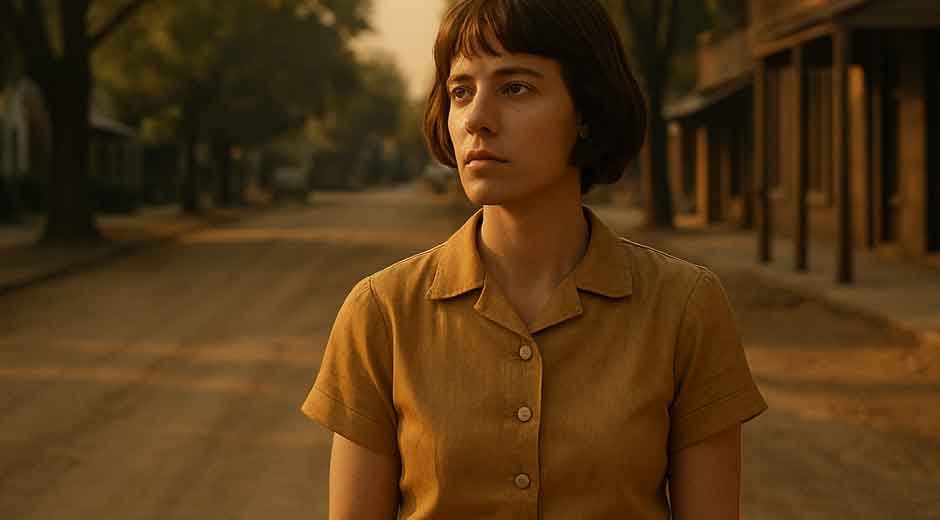
Jean Louise Finch, now twenty-six and living in New York, returns to Maycomb for a visit. Her journey home is quickly overshadowed by the discovery of her father’s political activities.
This disillusionment is the emotional core of Go Set a Watchman. It is a painful, necessary transition from the protected world of childhood to the harsh complexities of adulthood.
She must reconcile the memory of her father, the man who taught her everything, with the reality of the man he has become. Her world view shatters, forcing her to build a new moral framework for herself.
Themes of Racism and Moral Complexity
Beyond the shock of Atticus, the novel is a deep exploration of the pervasive nature of racism in the 1950s South. It tackles the insidious, quiet forms of bigotry that exist beneath the surface of polite society.
The book does not offer easy answers. Instead, it presents a nuanced, uncomfortable portrait of a community struggling with the seismic shifts of the Civil Rights era.
It forces the reader to look at the difference between personal morality and institutionalized prejudice. The themes are far more mature and challenging than those in its predecessor.
The Reality of Maycomb
Maycomb, the familiar setting, is revealed to be a place steeped in tradition and resistance to change. The town’s quiet, ingrained racism is exposed through the actions of its most respected citizens.
This setting serves as a microcosm for the broader societal conflict. Jean Louise’s struggle is to find her place in a community whose values she can no longer fully accept.
The novel suggests that true moral growth requires confronting the uncomfortable truths about one’s home and one’s family.
Literary Context and Publication Controversy
The publication of Go Set a Watchman was surrounded by intense controversy. Questions were raised about Harper Lee’s capacity to consent to the book’s release, given her advanced age and frail health.
Furthermore, the book’s status as a “sequel” was debated. It was later confirmed to be the first draft of the novel that Lee’s editor persuaded her to rewrite, focusing on the childhood narrative that became To Kill a Mockingbird.
Regardless of its origins, its release sparked a necessary re-evaluation of one of the most beloved figures in American literature. It became a cultural event that transcended mere book sales.
The Enduring Legacy of Go Set a Watchman
While it may never achieve the universal affection of To Kill a Mockingbird, Go Set a Watchman holds a vital place in the literary canon. It serves as a crucial, if painful, companion piece.
It challenges readers to move past simplistic moral narratives and embrace the complexity of human character. The book is a powerful meditation on disillusionment, moral independence, and the difficulty of finding one’s own conscience.
Ultimately, the novel is a testament to the fact that heroes are often flawed, and that the most important moral battles are the ones we fight within ourselves.
Frequently Asked Questions (FAQ)
Is Go Set a Watchman a sequel to To Kill a Mockingbird?
No, it is not a sequel. Go Set a Watchman was written first and is considered the initial draft of the story. Lee’s editor encouraged her to focus on the flashbacks, which eventually became the narrative of To Kill a Mockingbird.
What is the main difference between Atticus in the two books?
In To Kill a Mockingbird, Atticus is an idealized figure of moral integrity. In Go Set a Watchman, he is portrayed as a complex, flawed man who holds segregationist views and participates in the local Citizens’ Council.
Why is the book so controversial?
The controversy stems from two main points: the shocking change in Atticus Finch’s character, which disappointed many readers, and the ethical questions surrounding the book’s publication, given Harper Lee’s health at the time of its release.
What does the title “Go Set a Watchman” mean?
The title is a biblical reference, taken from the Book of Isaiah (21:6): “For thus hath the Lord said unto me, Go, set a watchman, let him declare what he seeth.” It symbolizes the need for Jean Louise to become her own moral guide and conscience.

- I’m Aliza, the founder of Urdu Novel Bank. I built this site because I love Urdu stories and want everyone to enjoy them. As an Urdu literature lover, I choose the best novels to share with you. Here you can find free Urdu novels in romance, mystery, thriller and more. Read online or download PDF chapters without signing up. I update the library often so you’ll always have new tales to explore. My goal is to bring Urdu literature to readers around the world.
Latest Novels
- July 29, 2026Home ImprovementCabinet Painting Cost Per Linear Foot: Complete Pricing Guide for Kitchens
- May 4, 2026Urdu Romantic NovelsHow Incorporating Moroccan Tile Enhances Your Home Décor
- April 29, 2026Home ImprovementHow Finding a Reliable Plumber Near Me Transforms Plumbing Emergencies
- April 27, 2026Home ImprovementHow to Plan a Layered Lighting Scheme for Your Bedroom Renovation