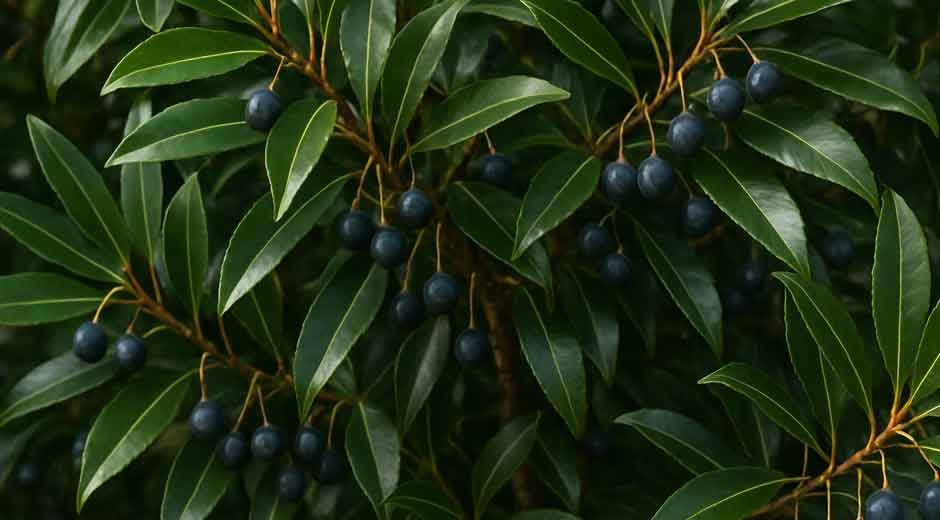
Have you ever wondered what makes the Japanese Blueberry Tree such a popular choice for landscapes across the warmer regions of the United States? This elegant evergreen offers year-round beauty and a surprising amount of resilience, making it a favorite among homeowners and professional landscapers alike.
But like any distinguished specimen, it thrives best when its specific needs are understood and met. This guide will walk you through everything you need to know to cultivate a healthy, vibrant Japanese Blueberry Tree in your own garden.
What is the Japanese Blueberry Tree?
Botanical Profile and Appearance
The Japanese Blueberry Tree, scientifically known as Elaeocarpus decipiens, is a striking ornamental tree native to East Asia. It is prized for its dense, upright growth habit and its exceptionally glossy, dark green foliage.
In its native habitat, this tree can soar to heights of 40 to 60 feet, though it typically remains smaller in cultivation, often maturing around 20 to 35 feet. Its dense canopy makes it an excellent choice for creating natural screens or providing shade.
One of its most appealing features is the subtle, year-round color change. Older leaves turn a brilliant, fiery red or orange before dropping, providing a beautiful contrast against the deep green of the new growth.
In the spring, the tree produces small, fragrant, bell-shaped white flowers that hang in delicate clusters. These are followed by the characteristic fruit that gives the tree its common name.
Why the Name “Blueberry”?
Despite its common name, the Japanese Blueberry Tree does not produce true blueberries. The fruit is a small, dark blue or black drupe that simply resembles a blueberry in color and size.
It is important to note that these fruits are not typically consumed by humans and the tree is grown purely for its ornamental value. The “blueberry” moniker is purely descriptive of the fruit’s appearance, not its edibility or botanical classification.
Essential Care for a Thriving Japanese Blueberry Tree
Caring for an Elaeocarpus decipiens is relatively straightforward, which contributes to its popularity as a low-maintenance landscape tree. Success hinges on providing the right foundation of light, soil, and water.
Light and Location Requirements
The Japanese Blueberry Tree performs best when planted in a location that receives full sun, meaning at least six hours of direct sunlight per day. This exposure encourages the densest foliage and the most robust growth.
While it can tolerate partial shade, planting it in too much shade may result in a thinner canopy and a less vigorous growth habit. Always aim for a sunny spot to maximize its ornamental appeal.
Soil and Drainage Needs
This tree is adaptable to a variety of soil types, but its absolute requirement is excellent drainage. It will not tolerate standing water or overly saturated soil, which can quickly lead to root rot.
It prefers a rich, fertile soil that is neutral to slightly acidic. If your soil is heavy clay, amending it with organic matter before planting will significantly improve drainage and give the tree a strong start.
Watering Guidelines
When newly planted, the Japanese Blueberry Tree requires consistent, deep watering to help establish a strong root system. This usually means watering every few days, depending on the heat and soil type.
Once established, the tree becomes moderately drought-tolerant. However, during prolonged dry spells or extreme heat, deep soaking once or twice a week is highly beneficial. The key is to water deeply and less frequently, rather than shallowly and often.
Fertilization Schedule
A regular feeding schedule will ensure your tree maintains its deep green color and healthy growth rate. A balanced, slow-release granular fertilizer is ideal.
Apply the fertilizer two to three times a year: once in early spring as new growth begins, again in early summer, and a final application in early fall. Always follow the product instructions for the correct amount based on the tree’s size.
Landscaping and Pruning Tips
Best Uses in the Landscape
The Japanese Blueberry Tree is incredibly versatile in the landscape. Its dense, evergreen nature makes it a perfect choice for creating tall, formal hedges or privacy screens that block noise and sightlines year-round.
Because of its naturally elegant, upright form, it also serves beautifully as a specimen tree in a lawn or a focal point near a patio. When planting, remember its potential mature size and ensure it is placed far enough away from foundations or driveways.
When and How to Prune
Pruning is generally minimal and is primarily done to maintain a desired shape or size. The best time to prune is in late winter or early spring, just before the flush of new growth.
Focus on removing any dead, diseased, or crossing branches. You can also thin the canopy slightly to improve air circulation, which helps prevent fungal issues. Avoid heavy pruning, as the tree looks best in its natural form.
Troubleshooting Common Issues
Signs of Stress
A common sign of stress in the Japanese Blueberry Tree is the yellowing of its leaves, a condition known as chlorosis. This can be caused by a lack of essential nutrients, particularly iron, or more often, by poor drainage and overwatering.
If you notice excessive dropping of green leaves, it is a clear signal that the tree is under severe stress, likely from improper watering. Check your soil moisture and adjust your watering schedule immediately.
Dealing with Pests and Diseases
Fortunately, the Japanese Blueberry Tree is known for its general hardiness and resistance to most serious pests and diseases. The most common issues are minor and manageable.
Occasionally, you may find scale insects or experience sooty mold, which is a fungus that grows on the sticky “honeydew” left behind by pests. These can usually be controlled with horticultural oil or insecticidal soap applications.
Frequently Asked Questions (FAQ)
Q1: Is the Japanese Blueberry Tree fruit edible?
No, the fruit of the Japanese Blueberry Tree (Elaeocarpus decipiens) is not considered edible for humans. The tree is grown strictly for its ornamental value in the landscape.
Q2: How fast does a Japanese Blueberry Tree grow?
The Japanese Blueberry Tree has a moderate to fast growth rate, typically adding 1 to 2 feet of height per year under ideal growing conditions.
Q3: Is the Japanese Blueberry Tree evergreen?
Yes, the Japanese Blueberry Tree is a broadleaf evergreen. It retains its foliage year-round, though it will shed older leaves after they turn a distinctive red or orange color.

- I’m Aliza, the founder of Urdu Novel Bank. I built this site because I love Urdu stories and want everyone to enjoy them. As an Urdu literature lover, I choose the best novels to share with you. Here you can find free Urdu novels in romance, mystery, thriller and more. Read online or download PDF chapters without signing up. I update the library often so you’ll always have new tales to explore. My goal is to bring Urdu literature to readers around the world.
Latest Novels
- July 29, 2026Home ImprovementCabinet Painting Cost Per Linear Foot: Complete Pricing Guide for Kitchens
- May 4, 2026Urdu Romantic NovelsHow Incorporating Moroccan Tile Enhances Your Home Décor
- April 29, 2026Home ImprovementHow Finding a Reliable Plumber Near Me Transforms Plumbing Emergencies
- April 27, 2026Home ImprovementHow to Plan a Layered Lighting Scheme for Your Bedroom Renovation