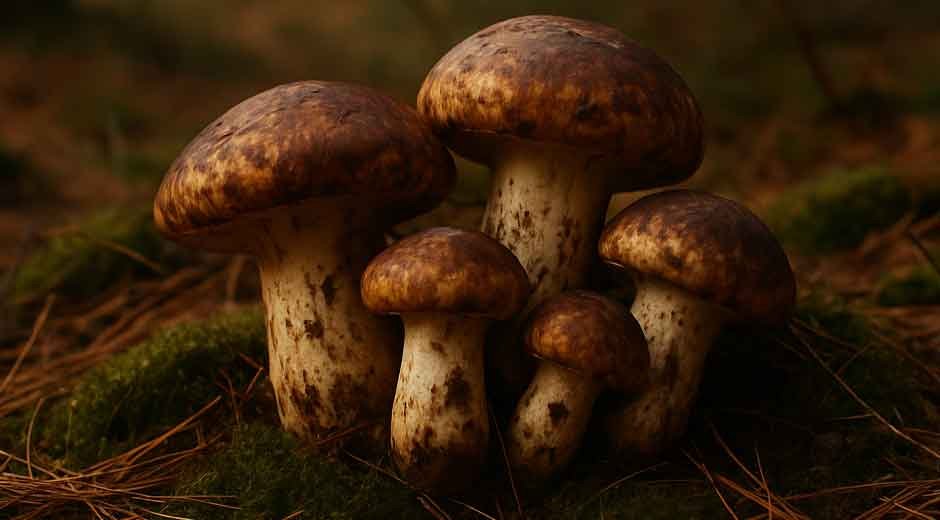
Is there any mushroom on earth worth more than its weight in gold? For centuries, the answer in Japan has been a resounding yes, and the object of this culinary obsession is the matsutake mushroom.
This elusive fungus, whose name literally translates to “pine mushroom,” is not merely an ingredient; it is a cultural icon, a symbol of autumn, and a luxury item that commands staggering prices on the global market. Understanding the matsutake is to understand a delicate balance of nature, tradition, and economics.
What Makes Matsutake So Special?
The matsutake is a member of the Tricholoma genus, and its reputation is built on a combination of sensory delight and extreme scarcity. It is a delicacy that appeals to the most discerning palates.
A Scent Like No Other
The most distinguishing feature of the matsutake is its powerful, complex aroma. It is often described as a blend of spicy, earthy, and distinctly piney notes.
This pungent scent is so unique that it can easily overpower other ingredients, which is why traditional recipes often keep the preparation simple. The flavor itself is rich and autumnal, complemented by a satisfyingly meaty texture.
The Price of Rarity
Why does a single matsutake mushroom sometimes sell for hundreds of dollars? The answer lies in its symbiotic relationship with the roots of certain pine trees.
The matsutake is notoriously difficult to cultivate artificially. Attempts to farm it have largely failed, meaning the global supply is entirely dependent on wild harvests.
Coupled with a high and increasing demand, particularly in Japan, and a declining natural habitat, this reliance on nature has driven its price to astronomical levels, making it one of the world’s most expensive fungi.
A Deep Root in Culture: Matsutake in Japan
The history of the matsutake is deeply interwoven with Japanese culture, stretching back over a thousand years. It has long been revered as a symbol of the changing seasons and a marker of prestige.
References to the delicious fungus can be found in the Manyoshu, an ancient collection of Japanese poetry from the seventh century. This long history highlights its enduring status as a cherished delicacy.
Historically, the matsutake was a gift exchanged among the aristocracy and even members of the Imperial family. Today, it remains a highly prized seasonal gift, often presented in hampers to clients or loved ones as a sign of respect and good fortune.
Culinary Secrets: How to Prepare and Enjoy Matsutake
The philosophy behind cooking with matsutake is simple: let the mushroom be the star. Its intense flavor and aroma are the main attraction, and over-working it would be a culinary crime.
Cleaning and Preparation
Connoisseurs agree that the matsutake should never be washed with water, as this can dilute its precious aroma. Instead, it is recommended to gently wipe the mushroom clean with a damp cloth or carefully peel the stem.
The mushroom is then typically sliced thickly. This preserves its texture and ensures that its unique flavor is front and center in any dish.
Simple is Best
The most traditional and popular ways to enjoy matsutake are those that highlight its natural qualities. Matsutake Gohan, a steamed rice dish seasoned lightly with soy sauce and sake, is a classic.
It is also often served in a clear soup, known as suimono, where thin slivers of the mushroom release their fragrance into the broth. Grilling or broiling the slices with just a touch of salt and oil is another favored method to fully appreciate its unique taste.
Beyond the Flavor: Health Benefits of Matsutake
While its culinary status is paramount, the matsutake also offers a range of nutritional and potential health benefits. It is a surprisingly potent source of essential nutrients.
The mushroom is rich in B vitamins, such as B2 and B3, which are important for brain function and energy. It also contains vital minerals like potassium, copper, zinc, and selenium, all contributing to a healthy diet.
Furthermore, matsutake mushrooms contain polysaccharides and antioxidants. These compounds are studied for their potential to support the immune system, protect cells from damage caused by free radicals, and may even possess anti-cancer properties.
The Future of the King of Mushrooms
Despite its enduring popularity, the future of the wild matsutake is precarious. The species has been placed on the International Union for Conservation of Nature (IUCN) Red List of Threatened Species as “vulnerable.”
The primary threats are not over-harvesting, but environmental changes. The decline of red pine forests, which are the matsutake’s natural habitat, and the spread of the pinewood nematode, an invasive worm, have severely reduced the annual yield.
Conservation efforts now focus on better forest management, such as clearing excess pine litter, and controlling the nematode population. The hope is that with careful stewardship, this king of mushrooms can continue to grace the tables of autumn for generations to come.
Frequently Asked Questions (FAQ) about Matsutake
Can you grow matsutake?
Matsutake mushrooms are extremely difficult to cultivate artificially because they require a complex, symbiotic relationship with the roots of specific pine trees. As a result, nearly all matsutake sold commercially are foraged from the wild.
Where do matsutake mushrooms grow?
Matsutake mushrooms are found in pine forests across East Asia (Japan, China, Korea), northern Europe, and North America. However, the Japanese variety (Tricholoma matsutake) is considered the most prized due to its intense aroma and cultural significance.
What is the difference between Japanese and North American matsutake?
While both are highly valued, the Japanese matsutake (T. matsutake) is generally considered superior in terms of its powerful, spicy-aromatic scent. The North American variety (T. magnivelare) is closely related and shares many characteristics but is often less intense in flavor and aroma.

- I’m Aliza, the founder of Urdu Novel Bank. I built this site because I love Urdu stories and want everyone to enjoy them. As an Urdu literature lover, I choose the best novels to share with you. Here you can find free Urdu novels in romance, mystery, thriller and more. Read online or download PDF chapters without signing up. I update the library often so you’ll always have new tales to explore. My goal is to bring Urdu literature to readers around the world.
Latest Novels
- July 29, 2026Home ImprovementCabinet Painting Cost Per Linear Foot: Complete Pricing Guide for Kitchens
- May 4, 2026Urdu Romantic NovelsHow Incorporating Moroccan Tile Enhances Your Home Décor
- April 29, 2026Home ImprovementHow Finding a Reliable Plumber Near Me Transforms Plumbing Emergencies
- April 27, 2026Home ImprovementHow to Plan a Layered Lighting Scheme for Your Bedroom Renovation