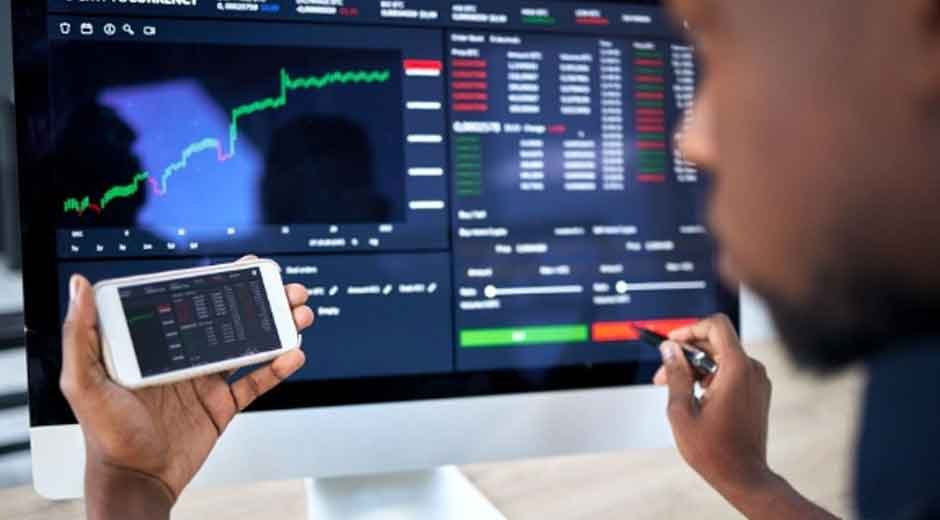
Trading has emerged as one of the most popular avenues for investment and wealth creation in India over the past few decades. With the advent of technology and easy access to markets, new-age investors are drawn to trading as a medium for growing their capital. However, if you’re just starting out, understanding how trading works might seem overwhelming at first. This simple guide aims to break down the basics of trading in India, including concepts such as tick trading, for beginners delving into this exciting world of financial markets.
What Is Trading?
At its core, trading refers to the buying and selling of financial assets in order to make a profit. These assets could be stocks, commodities, currencies, derivatives, or other financial instruments that are bought at a lower price and sold at a higher price (or vice versa, in the case of short selling). Traders generally aim to capitalize on price fluctuations during specific time frames, ranging from seconds to months.
Types of Trading in India
India’s trading ecosystem offers several types of trading opportunities depending on your investment goals, risk tolerance, and trading style. Here are the most common forms of trading:
- Equity Trading:
This involves buying and selling shares of publicly listed companies. When you trade equities, you’re essentially participating in the ownership of companies listed on exchanges like the National Stock Exchange (NSE) or the Bombay Stock Exchange (BSE).
- Commodity Trading:
Traders can invest in physical goods like gold, silver, crude oil, and agricultural commodities through commodity exchanges such as the Multi Commodity Exchange (MCX).
- Forex Trading:
Forex trading or currency trading involves buying and selling currency pairs to profit from fluctuations in exchange rates. In India, forex trading is regulated by the RBI and SEBI, and it is primarily offered in currency derivatives markets.
- Derivative Trading:
Derivatives are complex financial instruments whose values are derived from an underlying asset. These include futures and options based on stocks, indices, or commodities.
- Tick Trading:
Tick trading, which is gaining popularity in India, is a micro-level form of trading that focuses on capturing minimal price movements or ‘ticks’ within a short time frame. This strategy is often used for high-frequency trading and requires sophisticated tools and a good understanding of market trends.
Financial Market Regulators in India
Before diving into trading, it is critical to understand the regulatory framework that governs financial markets in India. The two primary regulators are:
- Securities and Exchange Board of India (SEBI):
SEBI ensures that markets function in a transparent manner and protects investor interests. It oversees equity and derivative markets along with mutual funds.
- Reserve Bank of India (RBI):
RBI regulates currency trading and ensures compliance with foreign exchange rules.
The robust regulatory framework ensures fair practices and minimizes risks associated with fraud or manipulation.
How Does Trading Work in India?
Let’s take a look at how trading happens step-by-step in India.
Step 1: Understanding Market Participants
The Indian trading ecosystem consists of various participants, including retail traders, institutional investors, brokers, foreign portfolio investors (FPIs), and market makers. Retail traders, like individual investors, play a significant role in the market, often capturing opportunities to grow their capital.
Step 2: Open a Demat Account
To start trading, you first need to open a Demat account and a Trading account. A Demat account stores your financial assets (like stocks) in electronic form. A trading account, on the other hand, facilitates the buying and selling of securities. Several stockbrokers like Zerodha, Upstox, ICICI Direct, and HDFC Securities offer these accounts with features like user-friendly interfaces and advanced market analysis tools.
Step 3: Choose a Stockbroker
A stockbroker acts as an intermediary between you and the stock exchange. They provide platforms that allow you to execute your trades. Brokers can charge fees, often referred to as brokerage charges, which vary depending on whether you’re trading equities, commodities, or derivatives. Some brokers also offer reduced fees for tick trading due to the high frequency of trades involved.
Step 4: Learn Technical and Fundamental Analysis
To succeed in trading, mastering technical analysis and fundamental analysis is key.
– Technical analysis uses charts, historical data, and indicators like moving averages, RSI, Bollinger bands, etc., to predict price movements. This is particularly useful for short-term trades and tick trading.
– Fundamental analysis, on the other hand, evaluates a company’s financials, market position, and industry trends for long-term investment decisions.
Step 5: Choose Your Trading Style
Every trader has a unique trading style based on their goals and risk appetite. Understanding these styles is crucial to ensure you adopt the right strategy to meet your trading objectives. Popular trading styles in India include:
– Intraday Trading: Buying and selling within the same day to profit from small price movements.
– Swing Trading: Holding assets for days or weeks to capture larger price movements.
– Scalping: A high-frequency trading strategy focused on profiting from minimal price movements — this is the essence of tick trading.
Step 6: Begin Trading
Once you equip yourself with basic knowledge, open an account, and choose your style, it’s time to execute your first trade. Monitor price charts, track news events, and use your chosen analysis methods to make informed decisions.
Tick Trading: A Growing Trend
While tick trading is not as well-known as other trading styles in India, its popularity is on the rise. Tick trading involves responding to minimal fluctuations in price — often measured in ‘ticks.’ A tick is the smallest upward or downward movement in the price of an asset.
Key Characteristics of Tick Trading
- Ultra Short Time Frames: Tick trading operates within extremely short durations — sometimes seconds or minutes.
- High-Frequency Trades: Tick traders typically execute dozens or even hundreds of transactions per session.
- Sophisticated Tools: Tick traders employ advanced software and algorithms for quicker execution.
- Market Volatility: Tick trading thrives in volatile conditions where price fluctuations are frequent.
While tick trading offers opportunities for rapid returns, it also demands high precision and discipline due to its fast-paced nature.
Risks Involved in Trading
Like any investment activity, trading comes with its own set of risks. Here’s a brief look at what traders in India face:
- Market Volatility: Changes in prices can occur rapidly due to news announcements, global events, or economic data releases.
- Lack of Knowledge: Trading without a proper understanding of how markets work can lead to significant losses. Education is vital to succeeding.
- Leverage Risks: Derivative trading, including tick trading, often involves leverage, which can amplify both profits and losses.
- Emotional Bias: Emotional decisions, such as panic selling or holding onto losing trades, can adversely affect performance. Use analytical tools and strategies to maintain discipline.
Tips for Beginners
To make your trading journey smoother, consider these tips:
- Start Small: Begin with a limited capital to minimize losses as you learn.
- Diversify: Don’t put all your capital into one trading instrument. Diversification helps in risk management.
- Stay Updated: Stay informed about market trends, news, and economic indicators.
- Use Stop Loss: Always place stop-loss orders to limit your risks.
- Practice: Use virtual trading platforms to practice trades without real money.
Conclusion
Trading in India is a dynamic and rewarding activity when done right. Whether you’re dealing with equities or experimenting with tick trading, the key lies in acquiring knowledge, understanding market dynamics, and starting with a disciplined approach. Open your Demat account, learn analysis techniques, and explore various trading strategies to discover what works best for you.
While the road to becoming a successful trader might seem challenging, the opportunities for generating excellent returns are plentiful. With patience, practice, and persistence, you can master the art of trading in India and harness its vast potential for financial growth.

- I’m Aliza, the founder of Urdu Novel Bank. I built this site because I love Urdu stories and want everyone to enjoy them. As an Urdu literature lover, I choose the best novels to share with you. Here you can find free Urdu novels in romance, mystery, thriller and more. Read online or download PDF chapters without signing up. I update the library often so you’ll always have new tales to explore. My goal is to bring Urdu literature to readers around the world.
Latest Novels
- July 29, 2026Home ImprovementCabinet Painting Cost Per Linear Foot: Complete Pricing Guide for Kitchens
- May 4, 2026Urdu Romantic NovelsHow Incorporating Moroccan Tile Enhances Your Home Décor
- April 29, 2026Home ImprovementHow Finding a Reliable Plumber Near Me Transforms Plumbing Emergencies
- April 27, 2026Home ImprovementHow to Plan a Layered Lighting Scheme for Your Bedroom Renovation